To truly understand Alaska, experience it every day through the eyes of its residents, a land of extreme conditions, towering mountains, and vast wilderness. Beyond the iconic northern lights and breathtaking glaciers, Alaska is rich with local traditions, resilient communities, and a lifestyle deeply connected to nature. From small fishing villages to bustling towns like Anchorage, daily life in Alaska reveals a rhythm that balances survival, culture, and celebration. Experiencing Alaska every day allows visitors and newcomers alike to appreciate the state’s unique blend of natural beauty, heritage, and community spirit.
Life in Alaska: The Daily Rhythm
Alaskans shape their daily lives around the extreme variations in daylight, weather, and landscape. During the summer months, the sun barely sets, offering almost 24 hours of daylight in some regions. This phenomenon, known as the midnight sun, encourages Alaskans to engage in outdoor activities such as hiking, fishing, and kayaking long after the clock strikes midnight. Conversely, winter brings long nights that last for weeks, pushing communities to adapt with creative indoor pursuits, community events, and strong social bonds.
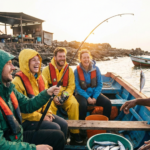
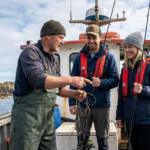
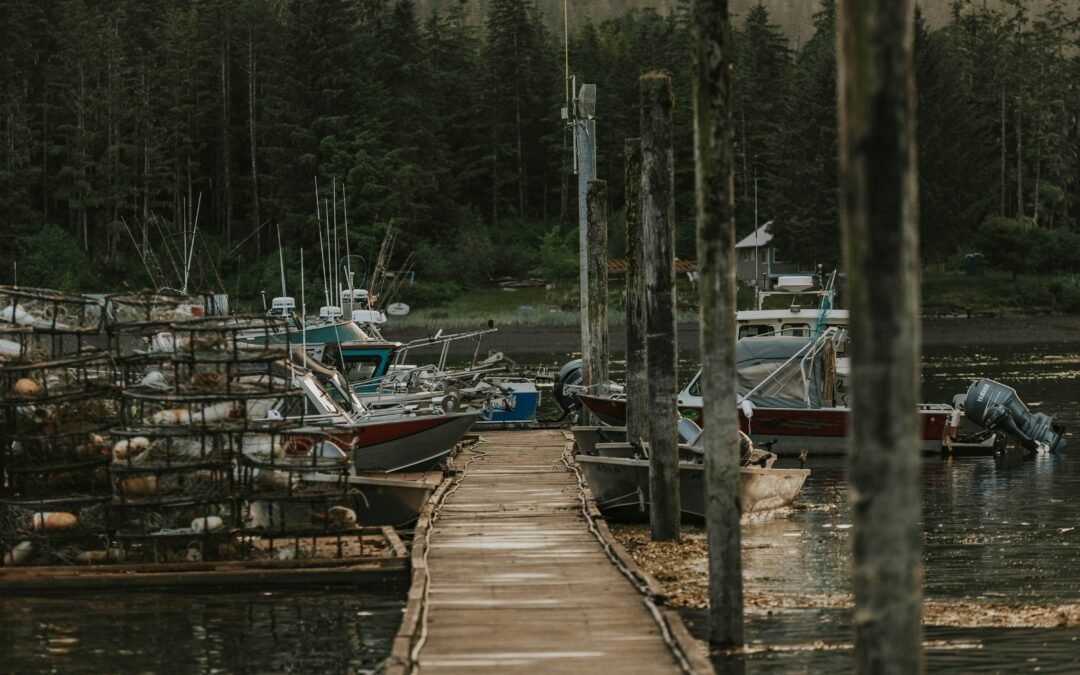
For those living in smaller towns and remote villages, daily routines often revolve around subsistence living. Hunting, fishing, and gathering are not just recreational activities but essential practices for many families. In these communities, life is closely connected to the land and its seasonal cycles. Experiencing Alaska every day in these areas means understanding the profound respect locals have for nature and the sustainable practices passed down through generations.
Embracing Alaska’s Rich Traditions
Alaska’s cultural tapestry is woven from Native Alaskan heritage, Russian influences, and frontier pioneer spirit. Indigenous communities, including the Inupiat, Yupik, Aleut, Tlingit, and Athabaskan peoples, play a central role in maintaining traditions that date back thousands of years. Storytelling, dance, art, and traditional subsistence practices remain vital parts of life in Alaska. Celebrations like the annual Iditarod Trail Sled Dog Race and Native Heritage Month highlight these enduring cultural expressions, allowing both locals and visitors to engage directly with Alaska’s heritage.
Daily interactions with these traditions might include attending local craft markets, tasting native foods such as salmon, halibut, or berries, or learning about traditional skills like carving and beading. For Alaskans, keeping these traditions alive is part of living in Alaska every day, connecting past practices with modern life. Even in urban areas like Fairbanks or Juneau, cultural awareness and appreciation are woven into educational programs, community events, and public art.
Outdoor Living: A Way of Life
The natural environment defines much of daily life in Alaska. With some of the last remaining untouched wilderness in the United States, outdoor activities are not just hobbies; they are an integral part of local culture and survival. Residents spend considerable time hunting, fishing, hiking, and exploring the abundant forests, rivers, and mountains. Kayaking along glacial waters, skiing in the Chugach Mountains, or camping under the northern lights is not just for tourists; it is part of a way of life for many Alaskans.
This strong connection to the outdoors also extends to community practices. Many towns host seasonal festivals, outdoor markets, and local gatherings that revolve around the land. For instance, salmon fishing in small towns like Sitka or Kodiak is both a vital food source and a celebrated event that strengthens community bonds. Experiencing Alaska every day means understanding that nature is not only admired, but it is deeply respected, nurtured, and integrated into daily routines.
Culinary Traditions and Local Flavors
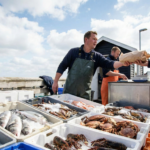
Alaska’s food culture reflects both its indigenous roots and its frontier heritage. Traditional meals often feature locally sourced fish, game, and produce. Salmon, halibut, king crab, and moose meat are staples, prepared in ways that honor local customs while also adapting to modern tastes. Communities often hold fish fries, crab festivals, and harvest celebrations that showcase these flavors, offering a glimpse into how Alaskans connect with their environment through cuisine.
Additionally, Alaska has a growing farm-to-table movement in urban areas, emphasizing sustainable sourcing, artisanal products, and local entrepreneurship. Experiencing Alaska every day means indulging in these flavors while recognizing the deep connections between food, community, and tradition.
Community Spirit and Resilience
Life in Alaska is defined by resilience. The state’s isolation, harsh weather, and limited infrastructure foster tight-knit communities where cooperation and mutual support are essential. Whether it’s neighbors helping each other during snowstorms, sharing resources in remote villages, or organizing volunteer efforts after natural events, community bonds in Alaska are strong.
This sense of togetherness is a hallmark of daily life. Local schools, town halls, and cultural centers become gathering spots that reinforce identity and unity. Experiencing Alaska every day is witnessing how communities thrive through shared responsibility, creativity, and adaptability.
Festivals and Celebrations
Alaskans know how to celebrate life despite challenging conditions. Seasonal festivals highlight cultural pride, outdoor adventure, and artistic expression. Events like the Fur Rendezvous in Anchorage celebrate winter sports and local craftsmanship, while the Alaska State Fair showcases agriculture, art, and entertainment. Even small towns host fish bakes, craft fairs, and music festivals that keep traditions alive and strengthen social ties. Participating in these events allows outsiders and newcomers to experience the vibrancy of local life firsthand.
Challenges and Rewards
Living in Alaska every day comes with challenges, from extreme weather to remote locations and limited services. However, the rewards of strong community bonds, unspoiled landscapes, and a deep connection to cultural traditions far outweigh these difficulties. Life in Alaska teaches adaptability, self-reliance, and an appreciation for nature that is increasingly rare in modern urban environments.
Whether it’s navigating icy roads, preparing for the long winter months, or celebrating midsummer with friends and family, daily life in Alaska is an ongoing lesson in balance, endurance, and joy. Experiencing Alaska every day means embracing both its hardships and its unparalleled beauty.
Conclusion
Alaska is more than a destination; it is a way of life. Experiencing Alaska every day offers insights into the rhythm, traditions, and resilience that define its communities. From the indigenous heritage preserved through art, dance, and storytelling to the deep connection to nature, local life in Alaska is a celebration of culture, environment, and community. Daily life here may be challenging, but it is rich, vibrant, and deeply rewarding. Understanding Alaska through the lens of its everyday experiences allows both residents and visitors to appreciate a state that is as enduring and extraordinary as its landscapes. Alaska is not just seen, it is lived, cherished, and celebrated every day.
Photo by Conner Baker on Unsplash