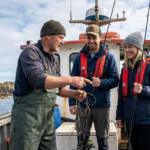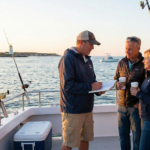

The bait and tackle industry has undergone significant transformation in recent years, adapting to changing consumer behaviors and market dynamics. What was once a straightforward retail operation has evolved into a sophisticated business model that combines traditional expertise with modern commercial practices. Today’s successful bait and tackle shops are thriving by recognizing the evolving needs of their customer base and positioning themselves strategically within both local and digital marketplaces.
The Evolution of Customer Expectations
Contemporary anglers and fishing enthusiasts bring diverse expectations to their interactions with bait and tackle retailers. Modern customers seek not only quality products but also comprehensive knowledge, personalized recommendations, and convenient shopping experiences. The traditional role of the bait shop owner has expanded to include customer education, community engagement, and omnichannel service delivery.
Successful retailers recognize that their customers represent varied skill levels and interests. From seasoned professionals to casual weekend anglers, each segment requires tailored approaches to product selection, pricing, and customer service. This differentiation has become essential for maintaining competitive advantage in contemporary markets.
Strategic Product Diversification
Modern bait and tackle shops are expanding beyond traditional inventory to meet broader customer needs. Progressive retailers now stock:
- Premium fishing equipment and specialized gear
- Outdoor apparel and protective equipment
- Fishing licenses and permits
- Educational materials and fishing guides
- Complementary products for outdoor recreation
- Local artisanal and specialty items
This diversification strategy increases average transaction values while positioning the shop as a comprehensive destination for fishing and outdoor enthusiasts. By curating product selections that reflect their local fishing conditions and community preferences, retailers create differentiated offerings that larger competitors cannot easily replicate.
Digital Integration and Omnichannel Strategy
The integration of digital technologies has become essential for bait and tackle shop success. Thriving retailers are implementing:
- E-commerce platforms for online product sales
- Social media presence for community engagement and marketing
- Digital inventory management systems
- Online booking for guides and fishing trips
- Customer relationship management tools
- Real-time fishing condition reporting and updates
By establishing a strong digital presence, shops extend their reach beyond geographical limitations while maintaining the personal touch that characterizes successful local businesses. Mobile-friendly websites and social media engagement enable direct communication with customers and establish authority within the local fishing community.
Building Community and Expertise
Successful modern bait and tackle shops function as community hubs for fishing enthusiasts. Forward-thinking retailers invest in:
- Educational workshops and seminars
- Guided fishing expeditions and charter partnerships
- Community events and fishing competitions
- Expert staff training and certification
- Collaborative relationships with local fishing clubs
- Environmental conservation initiatives
This community-focused approach generates multiple revenue streams while establishing the shop as an indispensable resource within the local fishing ecosystem. Expert staff who can provide personalized recommendations and share authentic fishing knowledge create experiences that customers cannot replicate through online retailers.
Sustainability and Environmental Responsibility
Contemporary consumers increasingly prioritize environmental stewardship, and progressive bait and tackle shops are responding to this demand. Successful retailers demonstrate commitment to sustainability through:
- Responsible bait sourcing and production practices
- Support for fishery conservation efforts
- Education about catch-and-release techniques
- Promotion of sustainable fishing practices
- Advocacy for habitat preservation
- Partnerships with environmental organizations
By aligning business practices with environmental values, retailers strengthen customer loyalty and position their businesses as responsible community members.
Operational Excellence and Customer Service
Thriving bait and tackle shops maintain operational standards that exceed customer expectations. Key operational priorities include:
- Consistent inventory management and product freshness
- Trained staff capable of technical customer support
- Extended operating hours aligned with peak fishing seasons
- Clean, organized retail environments
- Responsive customer service across multiple channels
- Transparent pricing and fair value propositions
Excellence in operations creates reliable experiences that customers depend on and recommend to others, generating valuable word-of-mouth marketing and repeat business.
Financial Sustainability and Growth
Successful bait and tackle shops recognize that financial health depends on strategic planning and adaptive business practices. Thriving retailers focus on:
- Margin optimization through strategic pricing
- Inventory efficiency and product turnover
- Diversified revenue streams beyond product sales
- Cost management and operational efficiency
- Investment in technology and infrastructure
- Regular financial analysis and performance monitoring
By maintaining financial discipline while investing in growth opportunities, retailers create stable businesses capable of adapting to market changes.
The Future of Bait and Tackle Retail
The bait and tackle industry continues to evolve in response to market dynamics, consumer preferences, and technological advancement. Shops that embrace this evolution while maintaining their core identity as knowledgeable, community-focused retailers are well-positioned for long-term success. The convergence of traditional expertise with modern business practices creates compelling value propositions that sustain customer loyalty and drive growth.
Retailers who invest in their communities, embrace digital technologies, maintain operational excellence, and demonstrate environmental responsibility are establishing themselves as thriving enterprises in contemporary markets. As the fishing community continues to evolve, these forward-thinking shops will remain essential destinations for anglers seeking quality products, expert knowledge, and authentic community connection.