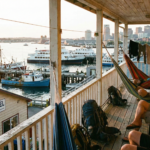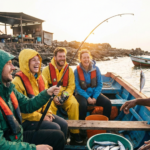
Coastal cities now transform historic seafood canneries into modern lofts that blend industry, culture, and residential life. These buildings once powered local fishing economies and shaped tight waterfront communities built around the daily seafood trade. Developers and preservationists now reuse these spaces to protect maritime heritage while creating desirable urban housing. Residents gain unique homes that carry stories of labor, migration, and culinary traditions linked to seafood industries. Cannery conversions also revive neglected waterfront districts and reconnect cities with their working shorelines and fishing histories. This movement reflects a broader effort to value sustainability, adaptive reuse, and community identity in coastal development. By reshaping former processing plants, cities celebrate seafood heritage and build vibrant neighborhoods that attract diverse residents. Historic canneries now stand as symbols of resilience, creativity, and economic renewal along evolving waterfronts. Their transformation invites closer attention to the seafood stories embedded within brick walls, steel beams, and landscapes.
The Legacy of Seafood Canneries
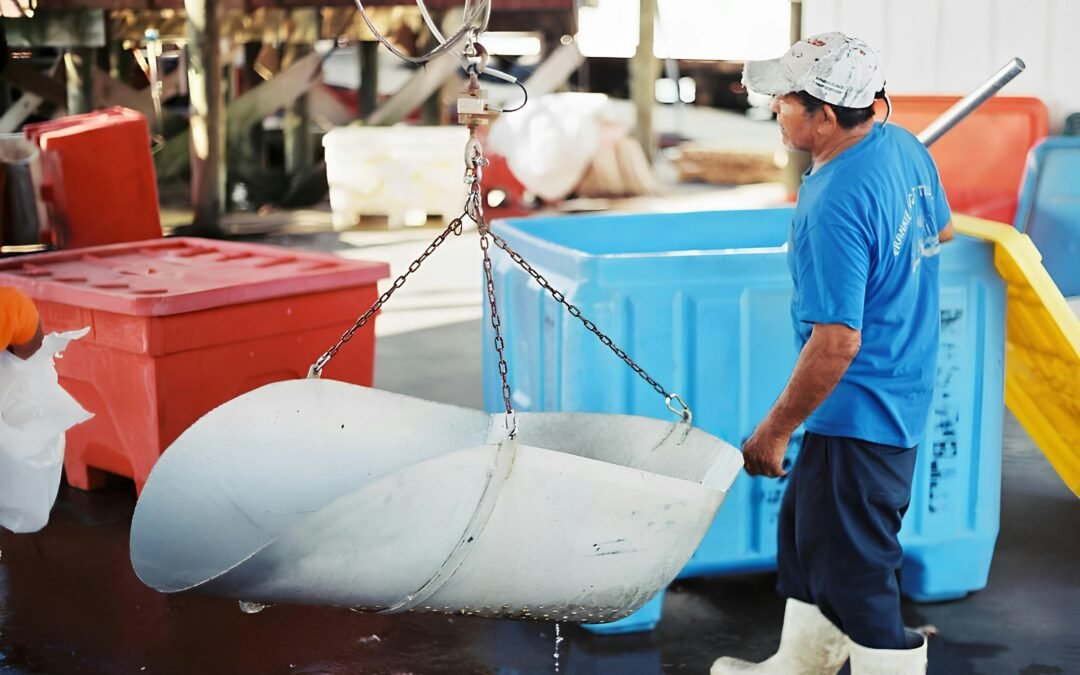
Seafood canneries fueled coastal economies and provided steady employment for thousands of workers in busy port towns. Fishing crews delivered fresh catches daily, and processing teams prepared, cooked, and packed seafood for distant markets. These facilities linked small communities to global trade networks and encouraged rapid urban growth along strategic waterfronts. Families organized their lives around cannery schedules and shared strong social bonds rooted in collective seafood labor. Workers developed specialized skills that supported efficient production and reinforced pride in regional fishing traditions. Canneries also shaped local cuisine by promoting preservation methods that expanded seafood availability throughout the year. When industrial consolidation increased, many historic plants closed and left large empty structures near valuable harbors. Communities then faced urgent decisions about demolition, preservation, and the future identity of their waterfront districts. Local leaders began exploring adaptive reuse strategies that could revive these landmarks and stimulate economic renewal.
From Processing Floors to Modern Lofts
Architects value cannery buildings for their expansive interiors, durable materials, and flexible structural frameworks. Design teams transform processing floors into open living areas that encourage light, airflow, and creative layouts. Renovations preserve brick walls and steel beams to highlight authentic industrial character and craftsmanship. Developers install modern utilities while respecting historic features that define each building’s unique personality. Interior designers often display restored equipment and vintage signage to celebrate the site’s seafood heritage. Shared amenities may reference fish markets and docks, creating communal spaces that echo working waterfront culture. These thoughtful details connect residents with history and strengthen emotional ties to their coastal surroundings. Careful planning ensures that conversions balance aesthetic appeal with safety standards and long-term durability. Project teams collaborate closely with preservation experts to protect architectural integrity during every renovation phase. This cooperation encourages innovative solutions that merge historic charm with contemporary residential expectations.
Protecting Seafood Culture and Community Identity
Converted canneries often anchor revitalized districts that celebrate seafood culture through markets, dining, and festivals. Local entrepreneurs open restaurants that highlight regional catches and honor traditional preparation techniques. Residents and visitors gather at waterfront events that showcase culinary heritage and community creativity. Educational exhibits inside former plants explain processing methods and recognize the contributions of cannery workers. These programs preserve collective memory and inspire appreciation for the labor behind everyday seafood products. Community groups use shared spaces to host workshops that connect younger generations with maritime traditions. Such engagement strengthens neighborhood identity and encourages residents to support local fishing industries. Cultural continuity thrives when redevelopment respects history and invites active public participation. Vibrant waterfront life then reflects a dynamic partnership between heritage preservation and modern urban energy. This balance attracts diverse residents who value authenticity, culture, and shared coastal experiences.
Seafood Plants Supporting Sustainable Urban Growth
Adaptive reuse reduces demolition waste and conserves resources by extending the life of existing structures. Developers integrate energy-efficient systems that lower consumption and improve environmental performance. Renovation projects often incorporate recycled materials and sustainable construction practices. Urban planners add green spaces and walkways that reconnect residents with natural waterfront ecosystems. These improvements promote healthier lifestyles and encourage daily interaction with coastal environments. Sustainable design also supports long-term economic stability by reducing operating costs for residents. Cities benefit from revitalized districts that attract investment while preserving historic character. This strategy aligns environmental responsibility with cultural preservation and smart urban growth. Forward-thinking policies guide developers toward practices that respect both ecology and heritage. Collaborative planning ensures that sustainability goals remain central throughout every development stage. Such commitment creates waterfront neighborhoods that thrive socially, economically, and environmentally.
Seafood Plants Balancing Revitalization and Local Needs
Redevelopment can increase property values and introduce financial pressure on longtime waterfront residents. Communities must address affordability concerns while welcoming investment and architectural renewal. Inclusive planning processes invite residents to share priorities and shape project outcomes. Developers can allocate space for small seafood businesses that sustain local employment and culture. Mixed-income housing models help maintain social diversity within redeveloped waterfront districts. Public spaces encourage interaction between new residents and established fishing communities. Strong partnerships between governments and citizens foster trust and long-term neighborhood stability. Balanced strategies allow growth while protecting the working spirit of historic waterfronts. Careful regulation guides development toward outcomes that respect heritage and community needs. Transparent communication keeps stakeholders informed and engaged throughout complex redevelopment projects. Shared responsibility encourages equitable progress and preserves authentic coastal character.
Conclusion
Cannery conversions clearly demonstrate how cities can honor seafood heritage while adapting historic structures for modern living. In doing so, these projects seamlessly weave maritime history into everyday life and keep working waterfront stories visible. As a result, residents enjoy unique homes that connect them with generations of fishing labor and tradition, while communities benefit from revitalized districts that celebrate cuisine, culture, and shared coastal identity. Moreover, sustainable reuse strategies help reduce environmental impact and support resilient urban growth. At the same time, inclusive planning ensures redevelopment benefits residents and protects longstanding seafood communities. As designers and planners continue to refine their approaches, they increasingly balance preservation with innovation and comfort. Ultimately, each successful conversion proves that historic canneries can anchor vibrant, meaningful neighborhoods. In turn, these spaces encourage people to appreciate the seafood industries that shaped coastal cities. Through thoughtful adaptation, waterfront heritage remains active and relevant in modern urban landscapes, symbolizing a lasting connection between history, community, sustainability, and forward-looking design.
Photo by Ryan Guidry on Unsplash