Travel experiences have evolved significantly over the past decade, with modern tourists seeking more than passive dining at renowned restaurants. The concept of culinary adventure tourism has emerged as a transformative way to engage with destinations, offering travelers the opportunity to participate actively in food procurement and preparation. This approach transcends traditional gastronomy tourism by combining outdoor skills, local knowledge, and authentic cultural immersion into a single, memorable experience.
Understanding Farm-to-Table Experiences Beyond Restaurants
While farm-to-table dining has become increasingly popular in upscale restaurants, the authentic version of this concept involves visitors engaging directly with agricultural processes. Travelers can participate in harvesting activities, learn about sustainable farming practices, and understand the journey food takes from soil to plate. These experiences provide genuine insight into local food systems and foster a deeper appreciation for the ingredients that define regional cuisines.
Many destinations now offer organized farm visits where guests can:
- Pick seasonal fruits and vegetables directly from the soil
- Participate in traditional harvesting methods
- Meet local farmers and hear their stories
- Learn about regional agricultural heritage
- Understand sustainable and organic farming practices
Fishing and Marine Culinary Adventures
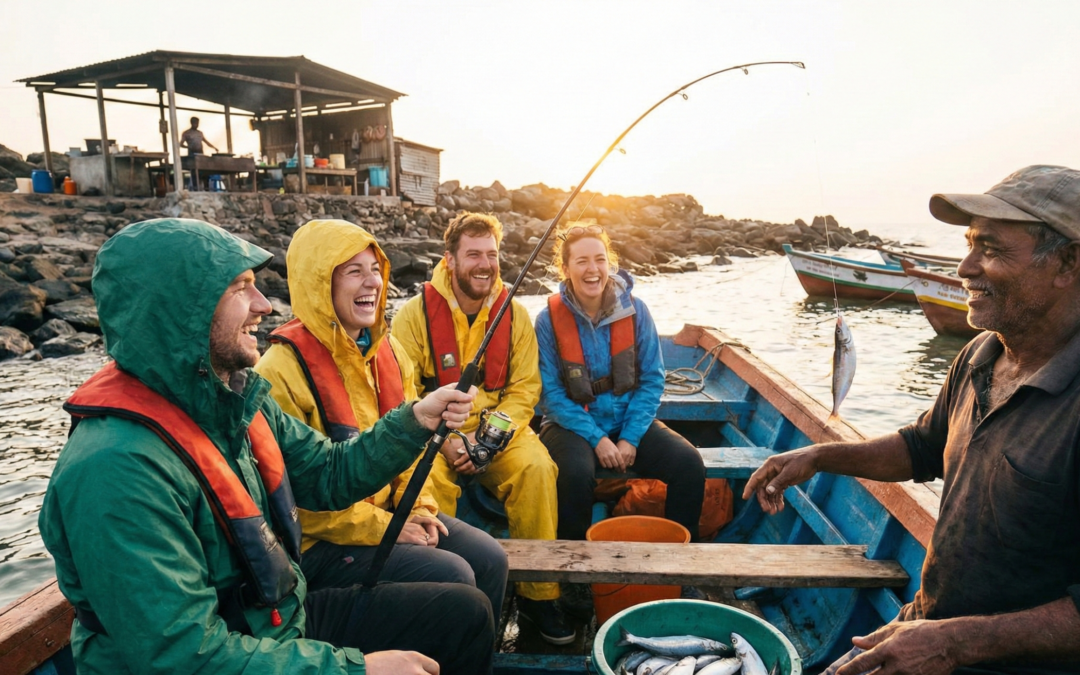
Fishing expeditions represent one of the most engaging ways to source your own dinner while traveling. Coastal and freshwater destinations worldwide now offer guided fishing experiences tailored to varying skill levels. These adventures combine outdoor recreation with culinary purpose, allowing participants to catch fish and seafood that are often prepared immediately afterward by local chefs.
Fishing-based culinary tourism provides numerous benefits:
- Direct engagement with marine ecosystems
- Understanding sustainable fishing practices
- Learning traditional fishing techniques from experienced guides
- Creating meals from personally caught ingredients
- Building connections with coastal communities
Foraging and Wild Food Collection
Guided foraging expeditions offer travelers the chance to search for wild edibles in natural environments. Expert foragers lead small groups through forests, meadows, and coastal areas, teaching participants to identify nutritious plants, mushrooms, berries, and herbs. This educational approach combines botany, ecology, and culinary knowledge while promoting environmental stewardship.
Foraging experiences vary significantly based on location and season. Participants might collect:
- Wild mushrooms and fungi species
- Medicinal and culinary herbs
- Seasonal berries and fruits
- Edible plant shoots and roots
- Nuts and seeds for various preparations
Hunting and Game Preparation Experiences
In regions where hunting is culturally significant and legally permitted, guided hunting expeditions offer immersive culinary adventures. These experiences connect travelers with traditional hunting practices, local wildlife management, and heritage food procurement methods. Participants learn ethical hunting principles while gaining comprehensive understanding of how game becomes a finished dish.
Hunting-based tourism experiences typically include:
- Instruction in safe firearm or traditional hunting techniques
- Education on wildlife management and conservation
- Tracking and field skills development
- Game processing and butchery demonstrations
- Preparation of traditional game recipes
Cooking Classes Using Locally Sourced Ingredients
The integration of food sourcing with culinary instruction creates comprehensive learning experiences. Many destinations now combine foraging, fishing, or farming activities with hands-on cooking classes where participants prepare meals using their own catch or harvest. Professional chefs provide instruction in local cooking techniques while emphasizing the quality and characteristics of freshly sourced ingredients.
These combined experiences foster:
- Deep understanding of ingredient quality and seasonality
- Mastery of regional cooking techniques
- Cultural immersion through food preparation
- Memorable skill development
- Enhanced appreciation for culinary traditions
Cultural and Community Benefits
Beyond personal enrichment, participate in food sourcing activities directly supports local communities. Travelers spend money with local guides, farmers, fishermen, and chefs while learning about their livelihoods and cultural practices. This economic support helps preserve traditional knowledge and encourages sustainable land and resource management practices.
Community-based culinary tourism contributes to:
- Economic development in rural and coastal regions
- Preservation of traditional food cultures
- Environmental conservation through sustainable practices
- Cross-cultural understanding and respect
- Support for small-scale producers and artisans
Practical Considerations and Safety
Engaging in food sourcing activities requires adherence to local regulations, safety protocols, and environmental guidelines. Reputable operators maintain proper licensing, provide necessary training, and ensure all activities comply with local laws regarding hunting, fishing, foraging, and food preparation. Travelers should always verify that their chosen experiences meet established safety standards and environmental requirements.
Key safety considerations include:
- Verification of operator licenses and certifications
- Confirmation of proper insurance coverage
- Understanding local legal requirements and regulations
- Assessment of physical fitness requirements
- Clarity on food safety and preparation standards
Choosing the Right Experience for Your Travel Goals
The diversity of culinary sourcing experiences allows travelers to select activities aligned with their interests, abilities, and travel preferences. Whether seeking physical outdoor challenges, cultural immersion, skill development, or environmental connection, food-sourcing tourism offers options for virtually every traveler profile. Researching operators, reading reviews, and clearly understanding what each experience entails ensures successful and satisfying adventures.