
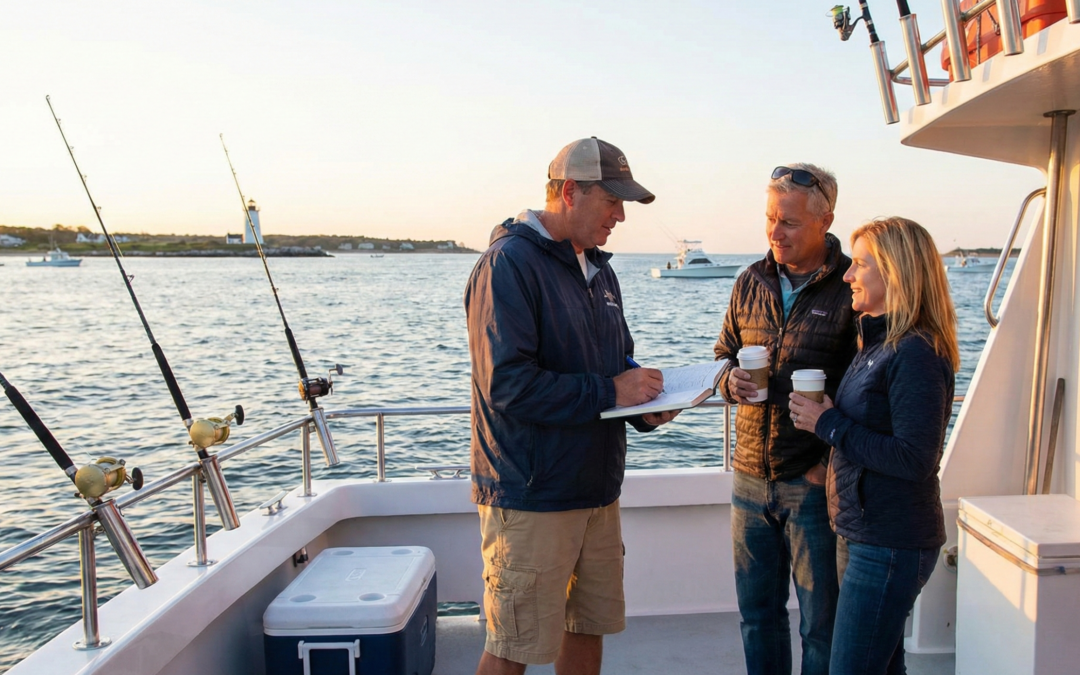
The charter boat industry represents a compelling entrepreneurial opportunity for investors and business-minded individuals seeking entry into the maritime sector. This business model involves leasing boats to customers for recreational activities, fishing expeditions, or tourism experiences. The charter boat economy operates on relatively straightforward principles: acquire or finance vessels, maintain operational standards, and generate revenue through customer bookings.
Charter boat entrepreneurship has gained considerable momentum in recent years, driven by increasing consumer demand for experiential travel and outdoor recreation. The flexibility of this business model allows operators to scale operations based on market demand and capital availability.
Initial Capital Requirements and Investment Considerations
Launching a charter boat business requires substantial upfront investment. Prospective entrepreneurs must account for several key expenses:
- Vessel acquisition or down payment on financed boats
- Licensing, permits, and regulatory compliance costs
- Insurance premiums and liability coverage
- Maintenance and repair reserves
- Docking and marina fees
- Marketing and booking platform development
The initial capital outlay typically ranges from $50,000 for smaller operations to several hundred thousand dollars for multi-vessel enterprises. Entrepreneurs should explore financing options including traditional bank loans, SBA programs, and investor partnerships to manage these substantial costs.
Revenue Generation Strategies
Successful charter boat operators employ diverse revenue streams to maximize profitability. The primary income sources include:
- Hourly or Daily Rentals: Per-hour or per-day rates for recreational boating experiences
- Fishing Charters: Specialized trips commanding premium pricing due to expertise and equipment
- Tourism and Sightseeing: Guided tours appealing to visitors and travel agencies
- Corporate Events: Private charters for business functions and team-building activities
- Water Sports Packages: Bundled offerings including water skiing, diving, or snorkeling
Implementing dynamic pricing strategies based on seasonal demand, holidays, and special events significantly enhances revenue optimization. Entrepreneurs who offer premium services and personalized experiences typically command higher rates and generate superior profit margins.
Operational Costs and Expense Management
Understanding and controlling operational expenses is critical for sustainable profitability in the charter boat business. Major cost categories include:
- Fuel and energy expenses
- Crew wages and benefits
- Routine maintenance and repairs
- Insurance and legal compliance
- Marketing and customer acquisition
- Docking, mooring, and storage fees
- Equipment replacement and upgrades
Establishing preventative maintenance schedules reduces unexpected repair costs and extends vessel lifespan. Negotiating competitive fuel contracts and optimizing route planning can yield significant savings. Additionally, implementing efficient crew scheduling minimizes labor costs while maintaining service quality.
Regulatory Environment and Compliance
Charter boat operators must navigate a complex regulatory landscape established by maritime authorities. Key compliance considerations include:
- U.S. Coast Guard licensing and vessel inspection requirements
- Captain and crew certifications
- Safety equipment and emergency protocol standards
- Environmental protection regulations
- Insurance and liability requirements
- Local zoning and marina regulations
Non-compliance with maritime regulations carries significant legal and financial consequences, including operational shutdowns and substantial fines. Entrepreneurs must allocate resources toward maintaining compliance and staying informed about regulatory updates and changes.
Market Analysis and Competitive Positioning
Successful charter boat entrepreneurs conduct thorough market analysis before launching operations. This research should identify target customer demographics, assess local competition, and evaluate market saturation levels. Understanding seasonal variations in demand allows operators to adjust pricing, marketing, and staffing accordingly.
Developing a distinctive competitive advantage—whether through superior customer service, specialized expertise, or unique offerings—positions new entrants favorably against established competitors. Online reviews and reputation management have become increasingly important for attracting customers in today’s digital marketplace.
Technology and Digital Infrastructure
Modern charter boat businesses depend heavily on digital tools and platforms. Essential technological infrastructure includes:
- User-friendly booking and reservation systems
- Payment processing platforms
- Customer relationship management (CRM) software
- GPS and navigation systems
- Communication technology for crew coordination
- Digital marketing and social media presence
Investing in reliable booking platforms reduces administrative overhead and improves customer experience. Online marketing strategies, including search engine optimization and social media engagement, are cost-effective methods for customer acquisition and brand building.
Seasonal Considerations and Income Variability
Charter boat businesses experience significant seasonal fluctuations in demand. Most markets see peak demand during summer months, holidays, and vacation periods, with considerably lower activity during off-seasons. Operators must plan cash flow management carefully to sustain operations during slower periods.
Strategies for managing seasonal variability include establishing customer retention programs, offering winter or off-season specials, and developing alternative revenue streams such as boat maintenance services or educational programs.
Risk Management and Insurance
Charter boat operations carry inherent risks requiring comprehensive insurance coverage. Essential insurance policies include commercial general liability, hull insurance, crew coverage, and pollution liability. Risk management extends beyond insurance to include safety protocols, crew training, equipment maintenance, and customer screening procedures.
Conclusion and Future Outlook
The charter boat business offers entrepreneurs a viable opportunity to enter the maritime industry with manageable risk when properly planned and executed. Success requires careful financial planning, regulatory compliance, operational excellence, and customer-centric service delivery.