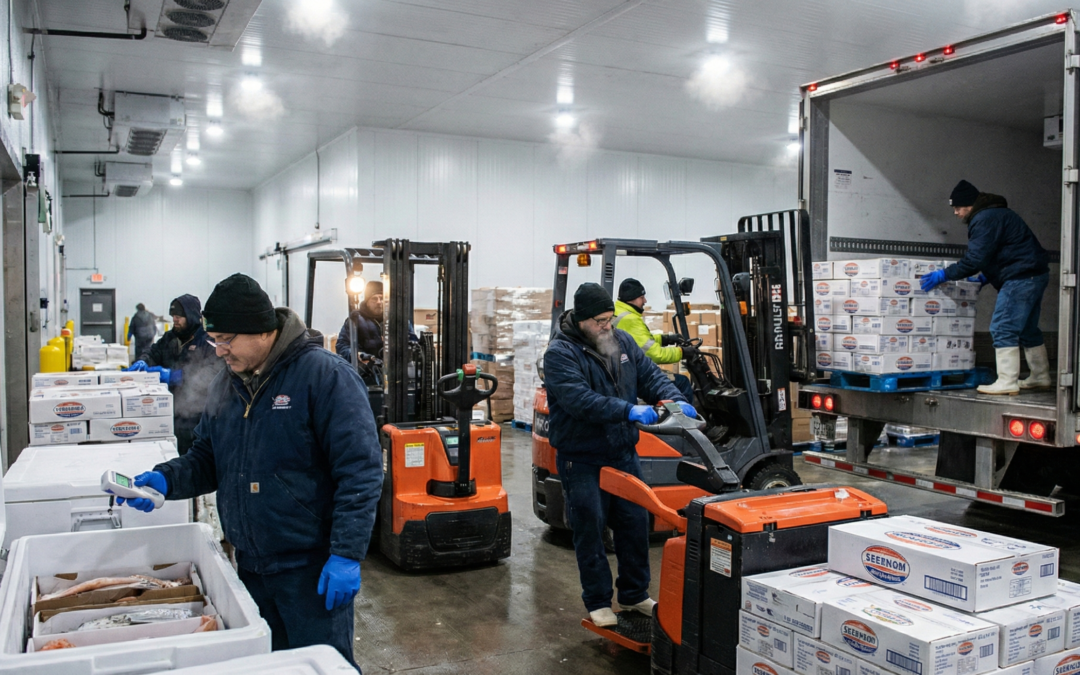
Cold chain logistics represents a critical infrastructure system that maintains precise temperature controls throughout the journey of perishable goods—from production facilities to consumer destinations. This specialized field encompasses the storage, handling, transportation, and distribution of temperature-sensitive products, particularly food items that require consistent refrigeration to preserve quality and safety.
The cold chain industry has evolved into a sophisticated network of interconnected processes, technologies, and skilled professionals working collaboratively to ensure that food products arrive at their final destination in optimal condition. As global food supply chains become increasingly complex, the demand for knowledgeable cold chain professionals continues to grow exponentially.
The Importance of Cold Chain Management in Food Safety
Maintaining proper temperature control throughout the cold chain is essential for preventing foodborne illness outbreaks and reducing product spoilage. Temperature fluctuations, even minor ones, can compromise food safety by allowing harmful pathogens to proliferate and degrading nutritional value.
Professional cold chain managers implement rigorous monitoring systems and protocols to ensure compliance with food safety regulations established by organizations such as the Food and Drug Administration (FDA) and the European Food Safety Authority (EFSA). These standards require meticulous documentation, regular equipment maintenance, and continuous staff training.
Career Opportunities in Cold Chain Logistics
The cold chain sector offers diverse career pathways for individuals with varying educational backgrounds and skill sets:
- Cold Chain Technicians: Responsible for equipment maintenance, temperature monitoring, and facility operations
- Logistics Coordinators: Oversee shipment scheduling, route optimization, and inventory management
- Quality Assurance Specialists: Conduct inspections, audits, and compliance verification
- Warehouse Managers: Direct daily operations at refrigerated distribution centers
- Cold Chain Engineers: Design and improve refrigeration systems and infrastructure
- Supply Chain Analysts: Utilize data to optimize cold chain efficiency and reduce costs
Essential Skills and Qualifications
Success in cold chain logistics requires a combination of technical knowledge and professional competencies. Aspiring professionals should develop expertise in refrigeration technology, food safety regulations, supply chain management, and data analysis.
Many positions benefit from formal education such as diplomas in logistics, food science, or mechanical engineering. Additionally, industry-recognized certifications—including HACCP (Hazard Analysis Critical Control Points), FSMA (Food Safety Modernization Act), and specialized cold chain management credentials—enhance career prospects and demonstrate professional commitment.
Beyond technical qualifications, employers value employees who possess strong communication abilities, attention to detail, problem-solving skills, and the capacity to work effectively within team environments under pressure.
Technological Advancements Shaping the Industry
Modern cold chain logistics increasingly relies on innovative technologies that enhance visibility, efficiency, and safety throughout the supply network. Real-time temperature monitoring systems provide continuous tracking of product conditions, enabling rapid response to any deviations that could compromise food safety.
Blockchain technology is revolutionizing traceability, allowing stakeholders to access comprehensive information about a product’s journey through the cold chain. Internet of Things (IoT) devices, artificial intelligence, and predictive analytics are optimizing route planning, reducing energy consumption, and minimizing product loss.
Professionals entering the cold chain field today should be prepared to work with these advanced technologies and remain adaptable as innovation continues to reshape industry practices.
Job Outlook and Compensation
The cold chain logistics sector presents promising employment prospects, driven by increasing global demand for fresh food products, expanding e-commerce food delivery services, and stringent regulatory requirements. Industry analysts project steady growth in cold chain positions across manufacturing, distribution, transportation, and retail sectors.
Compensation for cold chain professionals is typically competitive, with salaries varying based on position level, experience, geographic location, and employer size. Entry-level positions offer solid starting salaries with substantial potential for advancement into supervisory and management roles offering considerably higher compensation packages.
The Future of Cold Chain Careers
As climate change intensifies global food security challenges and consumer expectations for product freshness continue to rise, cold chain logistics will remain a vital industry sector. Sustainability initiatives focused on reducing energy consumption in refrigeration systems are creating new specialization opportunities for environmentally-conscious professionals.
The integration of sustainable practices with technological innovation presents exciting prospects for career development and specialization within the cold chain field. Professionals who stay current with industry trends and regulatory changes will find themselves well-positioned for long-term career success.
Getting Started in Cold Chain Logistics
Individuals interested in pursuing cold chain careers should begin by researching entry-level positions in their local area and exploring educational programs offered by vocational schools and universities. Networking with industry professionals, attending conferences, and pursuing relevant certifications can significantly accelerate career advancement.
Cold chain logistics offers meaningful work that directly impacts public health and food security while providing stable employment with competitive compensation. For those seeking a career with purpose, technical engagement, and growth potential, the cold chain industry represents an excellent professional destination.