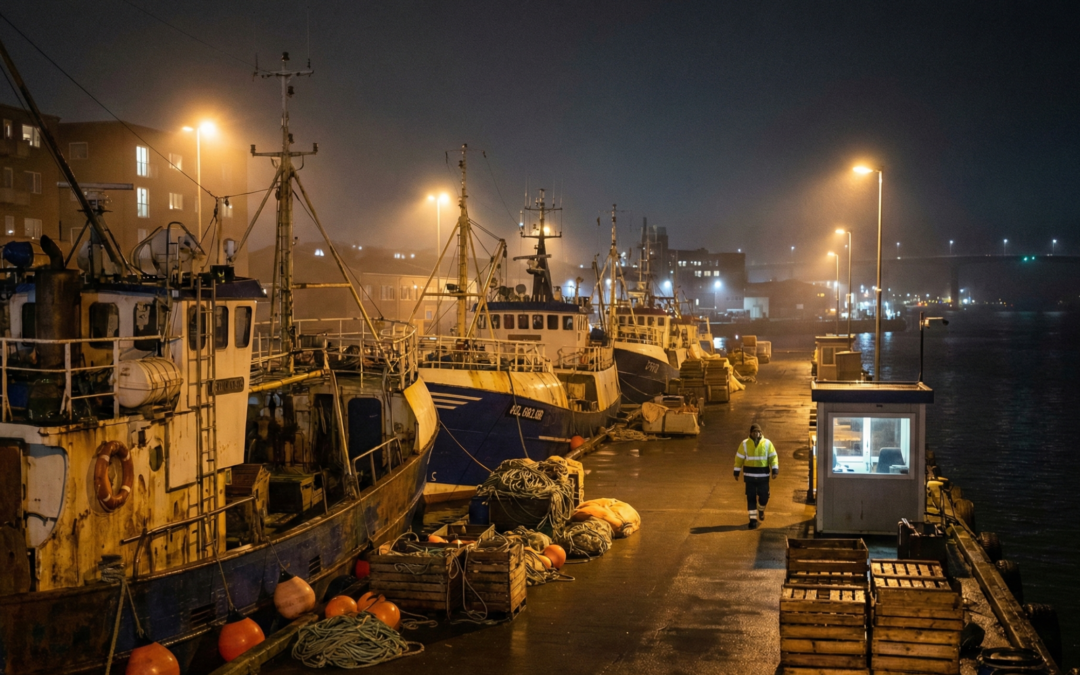
Operating in maritime environments during nighttime hours presents unique challenges that require heightened awareness and adherence to strict safety protocols. Whether you are a professional maritime worker, recreational boater, or harbor facility manager, understanding the complexities of dock operations after dark is essential for preventing accidents and protecting lives.
Lighting and Visibility Requirements
Adequate illumination is the foundation of nighttime dock safety. Poor lighting conditions significantly increase the risk of slips, falls, and collisions. All dock areas should be equipped with sufficient lighting that meets or exceeds industry standards, particularly in high-traffic zones and areas where heavy equipment operates.
- Install high-intensity LED lighting along walkways and berthing areas
- Ensure lighting covers all potential hazard zones, including stairs and ramps
- Maintain regular inspection schedules to identify and replace burnt-out fixtures promptly
- Consider motion-activated lights in less frequently used areas for energy efficiency
- Use anti-glare fixtures to prevent vision impairment among dock workers
Personal Protective Equipment and Visibility Gear
After-dark dock work demands enhanced personal protective equipment beyond standard daytime requirements. Workers must be visible to operators of mobile equipment and other personnel operating in low-light conditions.
- Wear high-visibility clothing with reflective strips or LED elements
- Utilize headlamps or flashlights with sufficient brightness and battery backup
- Ensure hard hats are equipped with reflective tape or lighting capabilities
- Consider wearing specialized night-vision compatible PPE in critical operations
- Implement mandatory vest requirements with retroreflective materials
Navigation and Vessel Movement Safety
Nighttime navigation in harbors requires meticulous attention to established protocols and communication procedures. Reduced visibility increases the complexity of vessel maneuvering and increases collision risks.
Critical Navigation Measures
- Activate all required navigation lights on vessels and dock facilities
- Maintain continuous radio communication between vessels and harbor control
- Reduce vessel speeds to appropriate levels for nighttime conditions
- Utilize electronic navigation aids such as GPS and radar systems
- Post additional lookouts during low-visibility periods
- Establish clear signaling protocols for all vessel movements
Equipment Operation in Low-Light Conditions
Heavy machinery and equipment operation becomes significantly more hazardous after dark. Operators have reduced visibility of their surroundings, blind spots become more dangerous, and communication becomes more challenging.
- Equip all mobile equipment with backup cameras and proximity sensors
- Mandate spotter personnel for all equipment operations
- Install amber warning lights on all moving equipment
- Require operators to complete specialized night-operation training
- Implement lower speed limits during nighttime hours
- Conduct equipment inspections focusing on lighting and warning systems
Communication Protocols
Clear and consistent communication becomes even more critical in low-light environments where visual cues are limited. Established communication protocols must be rigorously followed to prevent misunderstandings that could lead to accidents.
- Establish clear radio frequencies for different operational zones
- Use standardized terminology and communication procedures
- Conduct regular radio communication drills and testing
- Maintain backup communication systems for emergency situations
- Ensure all personnel understand and acknowledge critical messages
Hazard Identification and Risk Management
Nighttime dock operations present hazards that may be obscured or difficult to identify in low-light conditions. A comprehensive risk assessment program must address these specific challenges.
Key Hazards to Monitor
- Unmarked holes, gaps, or elevated surfaces becoming invisible
- Slippery surfaces from weather conditions or operational processes
- Impaired depth perception leading to falls from height
- Reduced ability to detect moving equipment or vehicles
- Increased risk of collision between personnel and mobile equipment
- Hypothermia risk from extended exposure in cooler nighttime temperatures
Training and Competency Requirements
Personnel working in harbor environments after dark must receive specialized training that addresses the unique challenges and hazards present during nighttime operations. This training should be comprehensive and regularly updated.
- Provide mandatory night-shift specific safety orientation for all new workers
- Conduct annual refresher training on after-dark operation protocols
- Require competency assessments for personnel operating equipment at night
- Document all training completion and maintain training records
- Include emergency response procedures in all night-shift training programs
Emergency Response and Medical Support
Nighttime dock accidents may be more severe due to delayed discovery and response times. Robust emergency response systems must be in place and regularly tested to ensure rapid assistance availability.