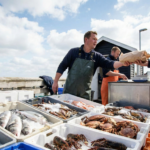

The dock-to-dish concept represents a revolutionary approach to seafood consumption that prioritizes freshness, sustainability, and community engagement. This dining philosophy encompasses the entire journey of fish from the moment it leaves the water to when it arrives on a diner’s plate. By eliminating unnecessary intermediaries and reducing transportation time, dock-to-dish establishments ensure that customers experience seafood at its peak quality and flavor.
The Benefits of Fresh, Local Seafood
Consuming seafood sourced directly from local fishermen offers numerous advantages that extend beyond taste. Fresh fish contains higher levels of omega-3 fatty acids and other essential nutrients compared to seafood that has undergone extended storage and transportation. Furthermore, the reduced time between catch and consumption significantly decreases the need for preservatives and artificial additives.
Quality and Flavor Excellence
Fish caught and prepared within hours rather than days demonstrates a marked difference in texture, taste, and overall quality. The delicate flavors and firm texture characteristic of truly fresh seafood cannot be replicated by frozen or previously stored alternatives. Culinary professionals recognize that the freshness factor is paramount to creating exceptional seafood dishes.
Environmental Sustainability
By supporting local fishing operations directly, dock-to-dish dining promotes sustainable fishing practices. These partnerships often encourage fishermen to employ environmentally responsible methods, maintain healthy fish populations, and preserve marine ecosystems for future generations. This direct relationship creates accountability and fosters a shared commitment to ocean conservation.
Supporting Local Fishing Communities
The dock-to-dish model fundamentally strengthens local economies by ensuring that a greater portion of revenue reaches the fishermen themselves. Rather than navigating complex supply chains where intermediaries capture significant profit margins, local fishermen receive fairer compensation for their catch. This economic support enables fishing families to invest in their operations, maintain their vessels, and sustain their traditional livelihoods.
Economic Empowerment
Direct relationships between restaurants and fishermen create more predictable income streams and foster long-term business partnerships. This stability allows fishing communities to thrive and encourages younger generations to continue maritime traditions that have shaped coastal cultures for centuries.
The Restaurant Experience
Establishments that embrace the dock-to-dish philosophy typically provide diners with transparency regarding the origin of their seafood. Many restaurants feature detailed information about specific fishermen, fishing methods, and daily catch varieties, allowing customers to make informed choices about their meals.
Seasonal and Dynamic Menus
Unlike restaurants relying on standardized suppliers, dock-to-dish establishments offer menus that reflect seasonal availability and daily catch variations. This dynamic approach:
- Showcases culinary creativity and adaptability
- Highlights the natural rhythms of marine ecosystems
- Provides customers with ever-changing dining experiences
- Encourages exploration of lesser-known fish species
Building Community Connections
Dock-to-dish dining fosters meaningful connections between consumers, chefs, and fishermen. Educational events, fishing excursions, and market experiences allow customers to understand the maritime lifestyle and appreciate the skill required to harvest seafood sustainably. These interactions transform dining from a simple transaction into a shared commitment to ocean stewardship and community wellbeing.
Challenges and Solutions
While the dock-to-dish model offers significant advantages, it presents operational challenges that establishments must navigate strategically. Weather-related fishing disruptions, seasonal fluctuations in supply, and the need for sophisticated inventory management require careful planning and flexibility.
Progressive restaurants address these challenges through diverse supplier relationships, creative menu adaptation, and transparent communication with patrons about availability and seasonal patterns. Additionally, modern technology facilitates better coordination between fishing vessels and restaurants, optimizing logistics and freshness.
The Future of Dock-to-Dish Dining
As consumer awareness regarding sustainability and food quality continues to grow, the dock-to-dish movement is expanding beyond coastal regions. More restaurants are establishing partnerships with local fishing operations, and consumers are increasingly seeking transparency about seafood origins and harvesting practices.
This culinary trend represents a broader shift toward farm-to-table and source-to-consumer dining models that prioritize quality, sustainability, and community impact. By choosing restaurants that embrace dock-to-dish principles, diners actively participate in supporting local economies, protecting marine environments, and enjoying some of the finest seafood available.
Conclusion
The dock-to-dish dining experience exemplifies how conscious consumer choices can positively impact multiple stakeholders simultaneously. By prioritizing fresh, locally-sourced seafood, diners enjoy superior taste and nutrition while supporting fishing communities and promoting sustainable ocean management. This movement demonstrates that exceptional culinary experiences and environmental responsibility are not mutually exclusive but rather complementary objectives that enhance one another. As this philosophy continues to gain momentum, dock-to-dish establishments are redefining what it means to dine responsibly and deliciously.