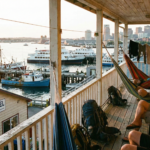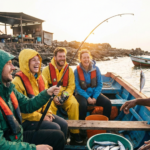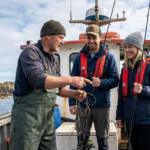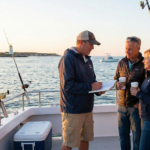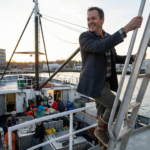
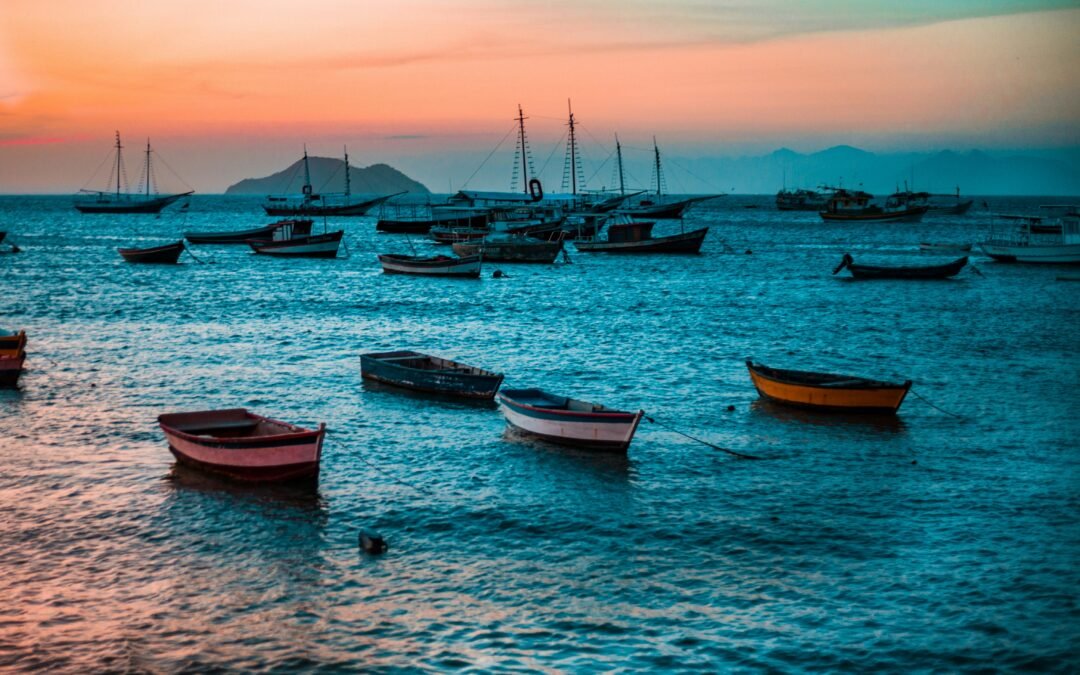
There’s a place where the morning commute involves checking tide charts rather than traffic reports, where the horizon fills with canvas sails instead of skyscrapers, and where your neighbor’s vessel is worth more than their vehicle. Welcome to the world of dockside dreams, those rare harbor towns where boats genuinely outnumber cars, creating lifestyles that seem ripped from maritime novels but remain stubbornly, beautifully real.
Oriental, North Carolina: The Sailing Capital Where Boats Rule
If dockside dreams have a capital, it’s Oriental, North Carolina. This village of fewer than 900 permanent residents hosts approximately 3,000 registered boats, a ratio exceeding three vessels for every man, woman, and child. The town’s marina manager describes it simply: “We turn boats away every night once things pick up in spring.”
Oriental wasn’t always this way. In the 1960s, only a few sailboats dotted the harbor. Today, masts outnumber mailboxes, and the harbor hums with the gentle clink of rigging against aluminum poles. Dockside dreams here aren’t fantasies; they’re Tuesday afternoons.
The town’s origin story embodies maritime serendipity. When Louis “Uncle Lou” B. Midyette anchored here in the 1870s to escape strong winds, he fell in love with the small creeks twisting together to form the waterfront. His wife, Rebecca, later found a nameplate from a sunken ship called “Oriental” on an Outer Banks beach, suggesting it as the town’s name. The village was incorporated in 1899, and dockside dreams have persisted ever since.
The Rhythm of Harbor-Centric Living
Daily life in boat-dominant communities follows patterns that landlocked residents find alien. In Oriental, the working harbor blends commercial and recreational vessels without hierarchy, shrimp trawlers tie up next to gleaming yachts, and somehow it all coexists in perfect maritime harmony.
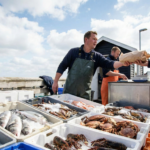
Morning begins early. Watch the trawlers head out before dawn, their lights twinkling like waterborne constellations against the dark river. This isn’t romantic tourism; it’s the economic engine. Ricky Russ, a McClellanville waterman with “the unruly white beard and leathery forearms of a man who has spent most of his life on boats,” embodies this reality: “I do shrimping, oystering, crabbing, clamming, anything on the water. I’m not much for being up on the hill.”
“The hill,” anything above sea level, holds little interest for those living dockside dreams. Water is where life happens: work, recreation, socializing, and sustenance all flow from the harbor.
Economics of the Boat-Dominant Community
Dockside dreams require accepting economic realities that differ dramatically from conventional towns. In Oriental, the four-block downtown clusters marine-related businesses: the Oriental Harbor Marina, nautical gear suppliers, canvas workers, sailmakers, and seafood markets. These aren’t tourist trinket shops but working businesses serving people who actually live on the water.
The 1912 train station, moved and renovated, now houses shops and restaurants alongside three waterfront townhouse developments that respect rather than replace maritime character. This balance between preservation and progress distinguishes authentic dockside dreams from tourist traps.
Yet challenges persist. In McClellanville, South Carolina, another boat-dominant community, Mayor Rutledge Leland III, who also owns Carolina Seafood, worries about succession: “I want to keep these guys with a place to work. I don’t want it to become a condo city. I want it to be a commercial fishing dock.” His children don’t want to run the business, forcing conversations about forming boat-owner co-ops to maintain working waterfront access.
Community Without Pretension
Dockside dreams foster social dynamics impossible in anonymous urban environments. In Oriental, “everyone seems to know everyone, yet visitors are welcomed like long-lost cousins returning home.” Local shops display handmade crafts, the post office doubles as a social hub, and “nobody honks their horn because, well, where’s the fire?”
This isn’t nostalgia but necessity. When your boat engine fails offshore or a storm approaches unexpectedly, neighborly relationships become survival infrastructure. Dockside dreams communities develop what researchers call “social capital,” trust and reciprocity, enabling collective problem-solving. You can’t fake this with community events; it builds through shared risk and mutual dependence.
Aaron Baldwin, a McClellanville town council member and art professor, explains: “People who are from here are supporters of people earning their living on the water. We all grew up working on the water, and even if we’re lawyers or engineers or professors, we want to see that continue.” This cultural commitment sustains dockside dreams beyond economic rationality.
The Price of Authenticity
Living dockside dreams means accepting limitations. Medical care requires travel to distant cities. Educational options for children may be constrained. Internet connectivity, crucial for modern remote work, remains inconsistent in rural coastal areas.
The weather presents ongoing challenges. The same proximity to water that enables fishing creates vulnerability. When hurricanes approach, evacuation isn’t optional. Climate change intensifies these pressures, with rising seas threatening waterfront infrastructure that defines these communities.
Moreover, success threatens authenticity. As dockside dreams gain recognition, tourist pressures increase. Murrells Inlet’s Marshwalk transformed a struggling working waterfront into a bustling tourist destination, but commercial fishing boats dropped from 25 to 6 in about 20 years. The balance between economic survival and character preservation remains precarious.
Why People Choose This Life
Despite challenges, dockside dreams attract permanent relocations rather than just vacation interest. Remote work enables professionals to maintain careers while living boat-centric lifestyles previously impossible. A software developer can code from a home office overlooking the Neuse River, then step onto a sailboat within minutes of closing their laptop.
But the deeper attraction transcends practicality. Dockside dreams offer what urban environments cannot: authentic relationships with natural rhythms, community bonds forged through shared endeavor, and the psychological ballast of connecting to timeless cycles. As one Oriental resident noted, this is “small-town living at its finest, where community matters more than commerce and a smile is legal tender.”
Is Dockside Living for You?
Dockside dreams suit those who accept that water dictates priorities. If you require constant entertainment, specialized shopping, or career networking opportunities, harbor towns will disappoint. But if you value dawn patrols more than nightlife, if you measure wealth by water access rather than square footage, if you understand that a boat’s value exceeds its price tag, then dockside dreams await.
The towns where boats outnumber cars, such as Oriental, McClellanville, and similar harbors, offer more than picturesque backdrops. They provide entry into communities where human ingenuity and natural forces have reached equilibrium over generations. In a world increasingly artificial, dockside dreams remain stubbornly, beautifully real.