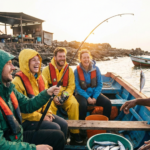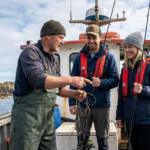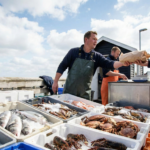
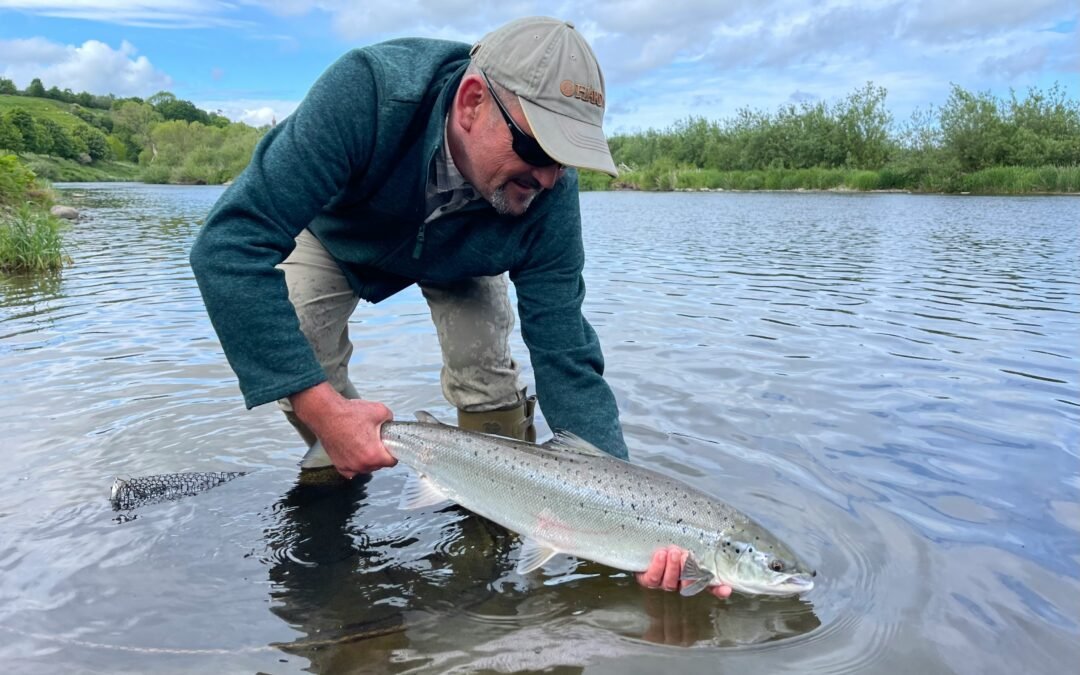
Salmon fishing in Alaska is not simply a means of gathering food; it is a living tradition rooted in culture, survival, and respect for nature. For thousands of years, Alaska’s rivers and coastal waters have supported thriving salmon runs, shaping the lifestyles, beliefs, and economies of the people who depend on them. Today, salmon fishing continues to play a vital role in Alaskan life, blending ancient practices with modern conservation efforts. These traditions are passed down through generations, preserving Indigenous knowledge and strengthening community bonds across the state. Salmon fishing also reflects Alaska’s commitment to sustainability, ensuring that future generations can continue to rely on healthy rivers and abundant fish populations.
The Deep Cultural Significance of Salmon
For Alaska Native communities such as the Yupik, Inupiat, Athabaskan, Tlingit, Haida, and Aleut peoples, salmon holds profound cultural and spiritual meaning. It is seen not merely as a resource, but as a gift from nature that must be honored and protected. Traditional beliefs emphasize gratitude, moderation, and responsibility, values that guide how salmon is harvested and shared.
Salmon appears frequently in oral histories, songs, and dances, symbolizing renewal, abundance, and the connection between people and the land. Seasonal salmon runs often mark important times of gathering, reinforcing social bonds and reinforcing cultural identity. Elders play a central role in teaching younger generations when to fish, how to prepare equipment, and how to respect the rivers that sustain life.
Traditional Salmon Fishing Methods
Over generations, Alaskans developed fishing techniques carefully adapted to local waterways and salmon behavior. These methods prioritize efficiency while minimizing waste and environmental harm.
- Fish wheels are commonly used along major rivers such as the Yukon. These rotating wooden structures gently lift salmon from the water, allowing selective harvesting.
- Gillnets and dip nets are positioned during peak salmon runs, requiring skill and timing to ensure responsible catches.
- Weirs and traps, historically used in shallow streams, guided salmon into narrow passages for easy harvesting.
- Spears and hooks were also traditionally used, especially in clear or shallow waters.
Each technique reflects deep ecological knowledge passed down through generations, demonstrating an intimate understanding of river currents, salmon migration patterns, and seasonal cycles.
Salmon Preservation and Traditional Food Practices
Because Alaska’s long winters limit access to fresh food, preserving salmon has always been essential. Traditional preservation methods ensure that families have reliable nutrition throughout the year.
Common techniques include:
- Smoking, where salmon is slow-cooked over low fires, adds flavor and extends shelf life
- Drying, using wooden racks exposed to wind and sun
- Fermenting, practiced in some regions as a way to preserve fish naturally
- Freezing, traditionally achieved using cold outdoor temperatures, and now supported by modern technology
Nothing goes to waste. Heads, bones, and skins are used for soups, oils, or animal feed, reinforcing the cultural value of respect and sustainability.
Subsistence Fishing and Community Life
Subsistence fishing remains central to daily life in many rural Alaskan communities. Unlike commercial fishing, subsistence fishing focuses on feeding families rather than profit. During salmon season, entire communities come together to fish, process, and store their catch.
These collective efforts strengthen social bonds and ensure cultural knowledge continues to be shared. Children learn by observing and participating, gaining skills that connect them to their heritage. Subsistence fishing also supports food security, particularly in remote areas where store-bought food can be expensive or inaccessible.
The Role of Salmon in Alaska’s Economy
While deeply cultural, salmon fishing is also a major economic driver in Alaska. Commercial salmon fisheries provide jobs and support local economies, particularly in coastal towns. Many families balance subsistence fishing with seasonal commercial work, maintaining both tradition and livelihood.
Sport fishing also contributes to tourism, attracting anglers from around the world who seek Alaska’s pristine rivers and abundant salmon runs. Guided fishing experiences often incorporate cultural education, helping visitors understand the deeper meaning behind the practice.
Conservation and Responsible Fishing
Preserving salmon populations is essential to maintaining Alaska’s cultural heritage. Modern conservation efforts aim to protect spawning habitats, regulate fishing seasons, and manage catch limits. State and federal agencies work closely with Alaska Native organizations to ensure traditional practices are respected while safeguarding fish populations.
Many Indigenous communities actively participate in conservation, using traditional ecological knowledge alongside scientific research. This collaborative approach helps maintain healthy salmon runs while honoring cultural traditions that have sustained ecosystems for centuries.
Salmon Fishing in a Changing Climate
Climate change presents new challenges for Alaska’s salmon fishing traditions. Rising temperatures, changing river conditions, and shifting migration patterns threaten salmon habitats. Communities are adapting by monitoring environmental changes and advocating for sustainable management practices.
Despite these challenges, salmon fishing remains resilient. Cultural knowledge, passed down through generations, continues to guide adaptive strategies and reinforce the importance of protecting Alaska’s natural resources.
A Living Cultural Legacy
Exploring Alaska’s salmon fishing traditions reveals a powerful story of resilience, respect, and connection to the land. From ancient fishing methods to modern conservation efforts, salmon fishing remains a cornerstone of Alaskan culture. It is a tradition that feeds bodies, strengthens communities, and preserves identity.
As long as Alaska’s rivers run and salmon return each year, these traditions will continue linking past, present, and future through shared values of stewardship and respect for nature.
Conclusion
Alaska’s salmon fishing traditions represent far more than a method of harvesting food; they embody a way of life shaped by respect for nature, community cooperation, and cultural continuity. From Indigenous knowledge passed down through generations to modern conservation practices, salmon fishing reflects Alaska’s deep connection to its rivers and wildlife. As environmental challenges and changing conditions shape the future, these traditions remain resilient, guided by values of sustainability and stewardship. By understanding and honoring Alaska’s salmon fishing heritage, we gain a deeper appreciation for the people, cultures, and ecosystems that continue to thrive alongside one of nature’s most remarkable migrations.
Photo by John Cameron on Unsplash