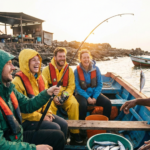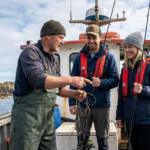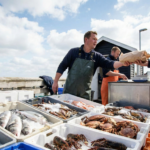
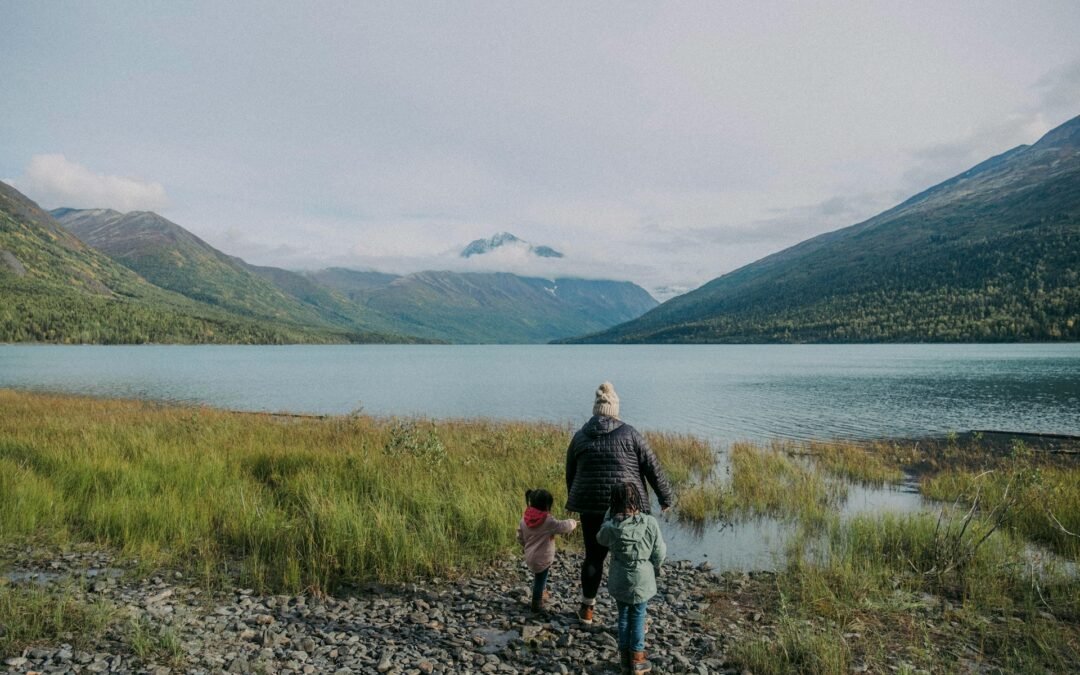
Alaska is known for its vast wilderness, towering mountains, and icy landscapes, but it’s also home to vibrant communities where families live, work, and thrive in a one-of-a-kind environment. Family life in Alaska is deeply influenced by the state’s extreme climate, remote locations, and rich cultural traditions, creating a unique blend of challenges and opportunities. Parents and children often embrace outdoor activities, from hiking and skiing to fishing and exploring national parks, fostering resilience and a love for nature. Access to quality schools, growing career opportunities, and tight-knit communities provide a strong support system. Living in the Last Frontier offers families experiences that are adventurous, formative, and impossible to find anywhere else.
Education and Schools in Alaska
Education is a cornerstone of family life in Alaska. The state offers a mix of public, private, and homeschooling options, with school districts often adapting to remote and rural communities. In cities like Anchorage and Fairbanks, schools provide standard curricula along with extracurricular activities, including arts, sports, and environmental programs. In smaller towns and villages, schools are often central to the community, hosting events, cultural programs, and seasonal activities that connect children to their heritage and surroundings. Despite challenges such as remote locations and harsh winters, many families value the close-knit learning environments Alaska provides.
Work and Career Opportunities
Alaska’s economy offers unique career opportunities that influence family life. Many families rely on industries such as fishing, tourism, oil, and government services, while others take seasonal work that aligns with Alaska’s long winters and short summers. Remote communities often require flexibility, with parents balancing work, childcare, and household responsibilities. Technology and remote work have expanded options in recent years, allowing families to live in scenic areas while maintaining careers. This adaptability is key to sustaining family life in a state defined by its vast geography and rugged terrain.
Outdoor Activities for Families
Alaska is a playground for families who love the outdoors. Children grow up with access to hiking trails, rivers, lakes, and ski slopes, making outdoor exploration part of daily life. Families can enjoy activities such as ice fishing, kayaking, dog sledding, berry picking, and wildlife watching, depending on the season. Schools and community programs often incorporate outdoor education, teaching kids survival skills, environmental stewardship, and respect for Alaska’s wildlife. Seasonal changes also influence family activities, from snow sports in winter to camping, boating, and berry foraging in summer.
Balancing Tradition and Modern Life
Many Alaskan families blend traditional practices with modern lifestyles. Indigenous communities preserve cultural heritage through storytelling, crafts, and seasonal subsistence activities, while urban families integrate technology, healthcare, and contemporary education into daily life. Festivals, community events, and shared outdoor experiences help families stay connected, maintain traditions, and foster a strong sense of community. This balance between heritage and modernity makes Alaska a unique place to raise children.
Conclusion
Family life in Alaska is shaped by its environment, economy, and culture. From schools in bustling cities to outdoor adventures in remote wilderness, parents and children experience a lifestyle defined by resilience, adaptability, and connection to nature. Families in Alaska enjoy a blend of modern conveniences and traditional practices, making life in the Last Frontier both challenging and rewarding. Whether it’s exploring icy rivers, attending local festivals, or engaging in community events, raising a family in Alaska offers a rare opportunity to grow, learn, and thrive in one of the world’s most extraordinary landscapes.
Photo by Colin + Meg on Unsplash