
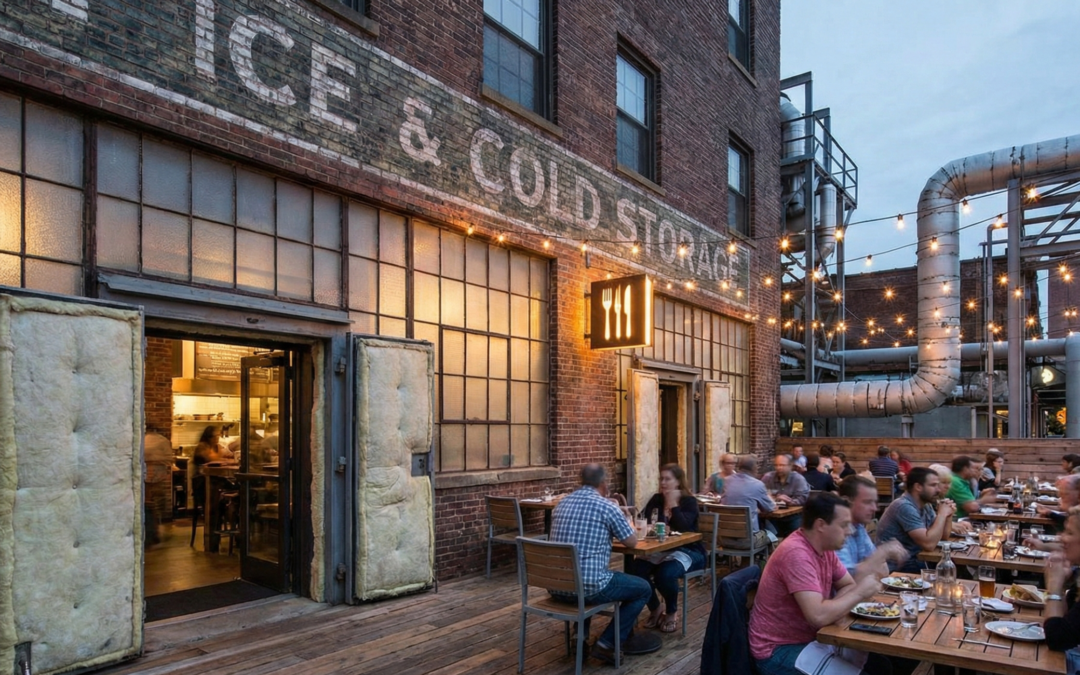
The ice house represents one of humanity’s most ingenious solutions to food preservation, predating mechanical refrigeration by centuries. Before the advent of electric freezers and modern cooling systems, ice houses served as essential infrastructure for communities across temperate and cold climates. These structures, often built partially underground or heavily insulated with sawdust and straw, maintained frozen conditions throughout warmer months, enabling the storage and preservation of perishable foods.
The practice of harvesting ice during winter months and storing it for year-round use dates back to ancient civilizations. However, the ice house industry flourished during the 18th and 19th centuries, becoming a vital component of culinary commerce and household food management. Large estates, restaurants, and commercial establishments relied upon ice houses to maintain their cold storage needs, making them instrumental in the development of modern cuisine.
Mechanics and Construction of Traditional Ice Houses
Ice houses were engineered with remarkable sophistication, incorporating principles that modern refrigeration still respects. These structures typically featured:
- Underground or semi-subterranean construction to leverage natural earth temperatures
- Thick insulation using sawdust, straw, or other natural materials
- Strategic ventilation systems to prevent excessive moisture accumulation
- Drainage systems to manage melting ice and condensation
- Multiple storage chambers organized by temperature requirements
The architectural design prioritized minimal light exposure and air circulation, which were critical factors in preserving ice quality. Workers would harvest large blocks of ice from frozen lakes and rivers during winter, carefully cutting, transporting, and stacking them within the ice house structure. The layering technique, often incorporating sawdust between blocks, proved remarkably effective in reducing melting rates during summer months.
Impact on Culinary Development and Food Culture
Ice houses fundamentally transformed the culinary landscape by enabling chefs and food preparers to work with refrigerated ingredients year-round. This development had profound implications for cuisine across multiple dimensions:
Ingredient Accessibility: The ability to preserve fresh foods, dairy products, and meats extended the availability of quality ingredients beyond their natural seasons, allowing chefs to develop more sophisticated and diverse menus.
Recipe Innovation: With reliable cold storage, culinary professionals could experiment with recipes requiring extended preparation times, cold fermentation processes, and dishes requiring precise temperature control.
Commercial Growth: Ice houses facilitated the expansion of restaurants, hotels, and food businesses by providing the infrastructure necessary for consistent food quality and safety standards.
The Transition from Ice Houses to Modern Refrigeration
The introduction of mechanical refrigeration in the late 19th and early 20th centuries gradually rendered traditional ice houses obsolete. As ice-making machines and electric refrigerators became more affordable and accessible, the ice harvest industry declined sharply. However, the principles established by ice house technology continue to influence food storage practices today.
Modern commercial kitchens and food preservation techniques owe considerable debt to the innovations developed through ice house usage. Temperature control, storage segregation, and moisture management remain central to contemporary food safety protocols.
Contemporary Revival and Historical Appreciation
In recent years, growing interest in culinary history and sustainable food practices has sparked renewed appreciation for ice house technology. Historical societies, museums, and heritage organizations have restored and preserved ice houses as educational resources, demonstrating the ingenuity of pre-industrial food preservation methods.
Some specialty restaurants and food historians have experimented with ice house storage techniques, exploring how traditional cold storage methods might complement modern sustainable food systems. This revival reflects broader cultural interests in understanding food heritage and reconnecting with historical cooking practices.
Lessons for Contemporary Food Systems
Ice house history offers valuable insights for modern food security and sustainability considerations:
- Passive cooling strategies can reduce energy consumption in food storage systems
- Natural insulation materials demonstrate effective alternatives to synthetic options
- Seasonal awareness and preservation techniques support local food systems
- Traditional methods provide resilience strategies for communities with limited energy access
As contemporary society grapples with energy consumption and environmental sustainability, the principles underlying ice house design merit serious consideration. These historical structures exemplify how thoughtful engineering and natural resources can address fundamental human needs without dependence on continuous energy input.
Conclusion: From Ice House to Modern Kitchen
The evolution from ice house cold storage to contemporary cuisine represents a remarkable chapter in culinary history. Ice houses provided essential infrastructure that shaped modern cooking, food preservation, and culinary innovation. While mechanical refrigeration has superseded traditional ice storage, the legacy of ice house technology persists in our contemporary understanding of food safety, ingredient quality, and cold chain management.
Understanding this historical progression enriches our appreciation for modern conveniences while inspiring thoughtful consideration of sustainable food practices. The ice house, once a necessity of survival and commerce, remains a testament to human ingenuity and our enduring relationship with food preservation and culinary excellence.