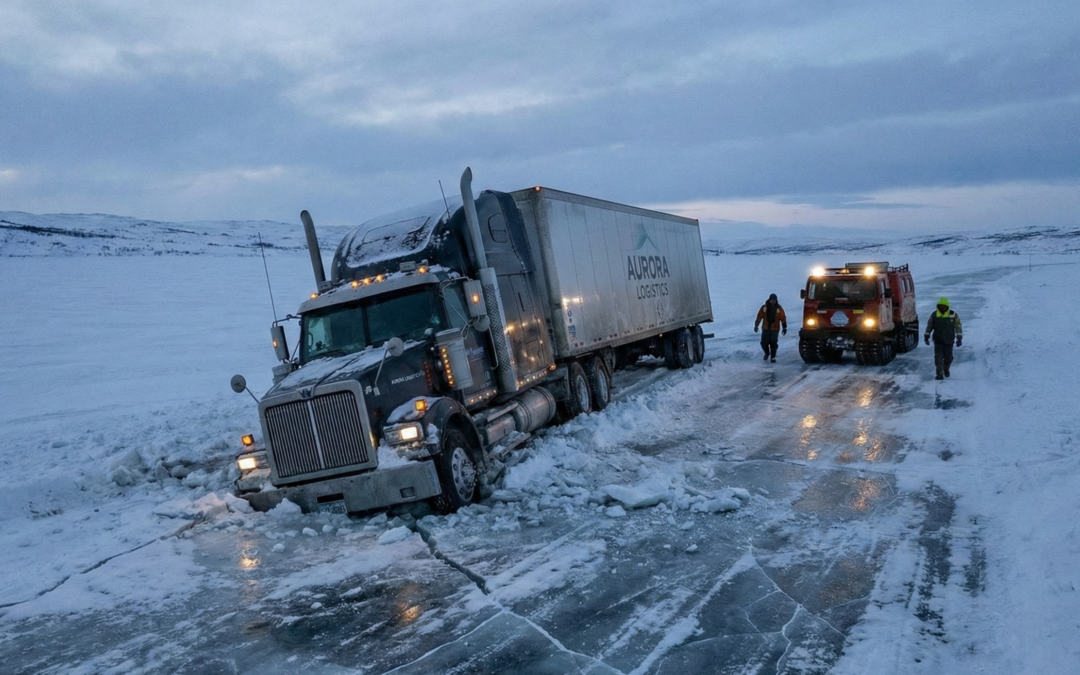
Ice roads represent a unique and economically significant transportation infrastructure in northern regions, particularly across Canada, Russia, and Alaska. These seasonal routes form naturally or are deliberately constructed across frozen bodies of water and tundra, creating vital supply corridors for remote communities and industrial operations. However, the reliance on ice roads introduces substantial vulnerabilities to modern supply chains that warrant careful examination and strategic risk management.
Environmental Vulnerabilities and Climate Impact
The most pressing concern facing ice road logistics is the increasing unpredictability of winter conditions. Climate change has fundamentally altered traditional ice-forming patterns, reducing the duration of viable ice road seasons and creating inconsistent thickness across routes. These environmental shifts directly threaten the reliability of supply chains that depend on these frozen pathways.
Key environmental challenges include:
- Shortened ice road seasons due to warmer global temperatures
- Inconsistent ice thickness creating hazardous driving conditions
- Unpredictable freeze-thaw cycles disrupting scheduling
- Increased risk of sudden structural failure during transit
- Extreme weather events causing route closures and delays
Operational and Logistics Risks
Beyond environmental factors, ice road operations present unique operational challenges that complicate supply chain management. The demanding nature of winter driving in extreme conditions requires specialized equipment, highly trained personnel, and meticulous planning to minimize disruptions and accidents.
Critical operational risks include:
- Vehicle breakdowns in remote, inaccessible locations with limited rescue infrastructure
- Extended delivery timeframes due to reduced travel speeds and mandatory safety protocols
- Limited capacity for emergency response services across vast frozen territories
- Specialized equipment requirements and maintenance complications
- Driver fatigue and safety concerns during extended winter operations
Economic Implications for Supply Chains
The economic impact of ice road risks extends across multiple dimensions of supply chain operations. Businesses relying on ice road logistics must account for increased insurance premiums, additional safety equipment investments, and contingency planning for route failures. These cumulative costs can significantly affect profit margins and operational efficiency.
Economic considerations include the need for backup transportation alternatives, increased inventory buffers to accommodate potential delays, higher labor costs for specialized drivers, and investment in advanced weather monitoring and forecasting systems.
Safety Considerations and Regulations
Safety protocols for ice road transportation are stringent and evolving continuously. Regulatory bodies enforce strict weight limits, vehicle specifications, and operational procedures designed to minimize the risk of accidents and loss of life. However, enforcement challenges in remote regions and the technical complexity of safety assessments create ongoing concerns.
Important safety measures include:
- Regular ice thickness testing and route evaluation
- Mandatory vehicle load restrictions and weight limits
- Specialized driver training and certification requirements
- Emergency communication and tracking systems
- Speed restrictions and operational hour limitations
Supply Chain Resilience Strategies
Organizations dependent on ice road logistics must develop comprehensive resilience strategies to address identified risks. Diversification of transportation routes, investment in alternative supply chains, and robust contingency planning are essential components of risk mitigation.
Recommended strategic approaches include:
- Developing alternative supply routes and transportation methods
- Implementing advanced predictive analytics for weather and ice conditions
- Establishing strategic inventory reserves in key locations
- Investing in infrastructure improvements and maintenance
- Building partnerships with multiple logistics providers
- Adopting real-time tracking and monitoring technologies
Future Outlook and Adaptation
The future of ice road logistics requires innovative adaptation strategies as climate patterns continue to evolve. Investment in alternative infrastructure, such as all-weather roads and improved port facilities, may gradually reduce dependence on seasonal ice routes. Simultaneously, technological advances in vehicle design, navigation systems, and weather prediction offer opportunities to enhance safety and reliability within existing ice road operations.
The industry must balance short-term operational needs with long-term sustainability considerations, ensuring that communities and industries currently reliant on ice roads have viable alternatives as environmental conditions change.
Conclusion
Ice road risks represent a significant challenge to supply chain stability in northern regions. Success in this demanding environment requires comprehensive understanding of environmental, operational, and economic risks, coupled with strategic investments in resilience and adaptation. Organizations and governments must collaborate to develop sustainable solutions that maintain supply chain integrity while prioritizing safety and environmental responsibility. Through proactive planning, technological innovation, and strategic diversification, supply chains can effectively navigate the complexities and dangers inherent in ice road transportation.