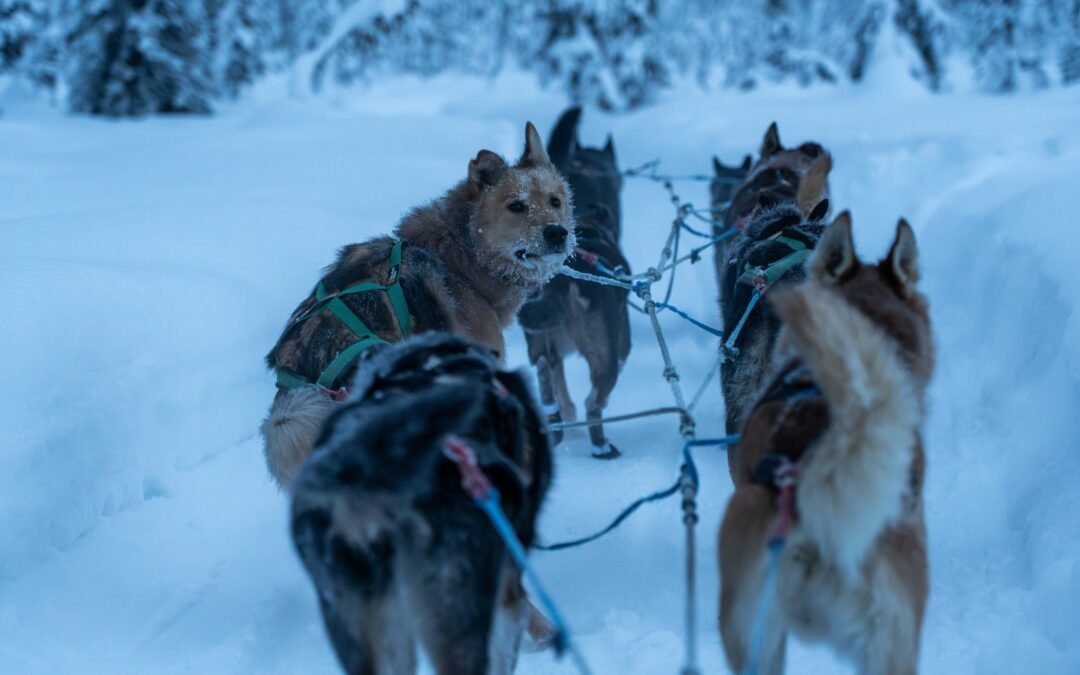
Alaska’s vast wilderness has long inspired awe, adventure, and survival. Dog mushing in Alaska remains a vital tradition, combining practicality and culture as sled dogs traverse harsh snowy terrains. Today, dog mushing is not just a means of transportation; it is a symbol of resilience, teamwork, and heritage. From the excitement of the Iditarod Trail Sled Dog Race to the quieter moments shared between musher and dog, this tradition reflects a deep connection between humans and animals, and between people and the land itself. Understanding life on the sled offers insight into Alaskan history, outdoor survival, and a lifestyle that thrives in harmony with nature’s extremes.
The Bond Between Musher and Dog
The bond between musher and dog is built on trust, communication, and shared experience, making every journey a lesson in patience and empathy. Mushers must constantly adapt to the ever-changing landscape, reading weather patterns, snow conditions, and the cues of their canine teammates. Beyond physical endurance, dog mushing nurtures mental strength and emotional resilience, as mushers navigate isolation and unpredictability. Many families in Alaska continue to uphold these traditions, passing knowledge and skills through generations. Ultimately, life on the sled embodies a way of living that celebrates cooperation, respect for nature, and the enduring spirit of adventure.
The Origins of Dog Mushing in Alaska
Dog mushing dates back hundreds of years, rooted in the practical needs of Alaska’s indigenous communities. Native Alaskan tribes relied on sled dogs to transport food, firewood, and other essentials across snowy landscapes. These early mushers developed intimate bonds with their dogs, recognizing each animal’s unique strengths and temperament. When gold prospectors and settlers arrived in the late 19th century, they adopted and expanded these practices, turning dog teams into vital tools for commerce and communication. Over time, the role of sled dogs evolved from strictly functional to recreational and competitive, preserving their importance in Alaska’s cultural identity.
Training and Care: Life with a Sled Dog Team
One of the most remarkable aspects of dog mushing in Alaska is the dedication required to train and care for a sled dog team. Dogs are more than athletes; they are family members, each with its own personality and skills. Mushers spend months conditioning their teams, focusing on endurance, obedience, and teamwork. Nutrition, veterinary care, and rest are essential for maintaining peak performance in extreme conditions. Mushers also learn to read the trail, weather patterns, and their dogs’ signals, skills that are critical for both racing and survival in remote areas. The trust between musher and dog is fundamental, creating a partnership that thrives on mutual respect and cooperation.
The Iditarod: A Test of Endurance and Tradition
The Iditarod Trail Sled Dog Race is the most famous symbol of Alaskan mushing. Covering nearly 1,000 miles from Anchorage to Nome, it is often called “The Last Great Race on Earth.” Competitors face blizzards, frozen rivers, and rugged mountains, testing both human and canine endurance. Beyond the thrill, the Iditarod honors Alaska’s mushing heritage, preserving the skills, stories, and culture of generations who relied on dog teams. For spectators and participants alike, the race is a reminder of the region’s harsh beauty and the extraordinary bond between humans and dogs.
Everyday Life on the Sled
While races capture headlines, most mushers experience life on the sled as a daily rhythm. Teams travel long distances across frozen landscapes for hunting, mail delivery, or simply connecting remote communities. Each run requires careful preparation, from securing gear to ensuring dog safety. Life on the sled demands patience, resilience, and adaptability, as mushers contend with unpredictable weather, thin ice, and the sheer physical demands of guiding a team. Despite these challenges, the lifestyle fosters a profound appreciation for nature, endurance, and companionship that few other experiences can match. Mushers often develop an almost instinctive understanding of their dogs’ moods and energy levels, adjusting pace and strategy accordingly. The quiet moments on long stretches of trail also provide time for reflection, storytelling, and connection with the wilderness. Over time, life on the sled teaches valuable lessons in leadership, problem-solving, and the importance of teamwork under extreme conditions.
Cultural Significance and Modern Adaptations
Dog mushing in Alaska remains a cultural touchstone. Museums, festivals, and local communities celebrate mushing as part of the state’s heritage, educating both visitors and younger generations. At the same time, modern technology has influenced the practice. GPS tracking, improved nutrition, and advanced gear enhance safety and efficiency. Yet, the heart of dog mushing, trust, teamwork, and respect for the land, remains unchanged. In some areas, mushers also integrate tourism, offering sled rides and experiences that allow outsiders to glimpse this unique lifestyle. Through these adaptations, dog mushing continues to thrive, blending tradition with contemporary innovation.
Conclusion
Furthermore, life on the sled is not just transportation; it represents a living tradition that captures the spirit of Alaska. Dog mushing in Alaska reflects the state’s history, resilience, and profound connection between humans and nature. From its origins in indigenous survival strategies to modern races like the Iditarod, mushing celebrates teamwork, endurance, and the bond between musher and dog. For those who embrace it as a way of life, each journey across the tundra is an intimate experience with the land, the weather, and their loyal companions. Even as technology and modern conveniences change the landscape of Alaska, the core values of dog mushing, trust, dedication, and harmony with nature remain steadfast. Preserving and honoring this tradition ensures that the unique legacy of life on the sled continues to inspire, educate, and thrill generations to come.