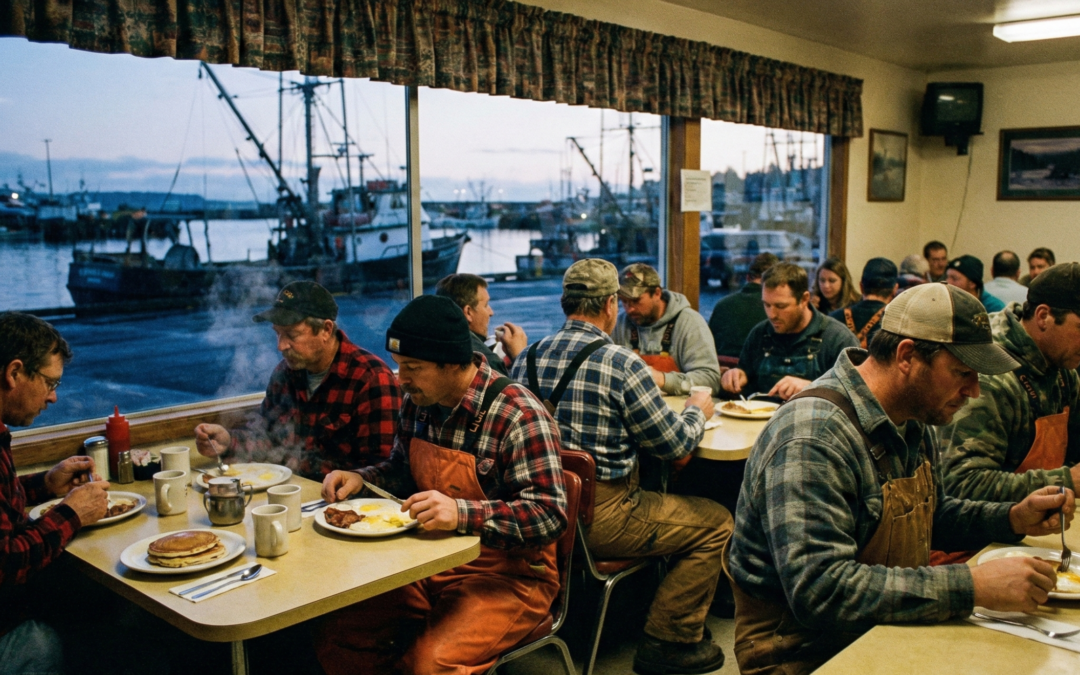
The maritime industry operates on a schedule that begins long before the sun rises over the horizon. Commercial fishing fleets, cargo vessels, and supply ships all require coordinated meal services to maintain crew morale, operational efficiency, and regulatory compliance. Morning catch breakfasts represent a critical component of fleet dining operations, providing essential nutrition and sustenance to crews engaged in physically demanding work at sea.
The term “morning catch” refers to the preparation and service of breakfast meals aboard vessels during the pre-dawn hours, typically between 4:00 AM and 6:00 AM. These meals serve as the foundation for a crew’s energy levels throughout an extended workday that may last twelve hours or more. Fleet dining before dawn requires specialized knowledge, precise timing, and meticulous food safety protocols to ensure that meals meet both nutritional standards and maritime regulations.
The Importance of Early Morning Nutrition at Sea
Crew members working aboard commercial vessels face unique nutritional challenges that differ significantly from land-based employment. The physical demands of maritime work—including heavy lifting, equipment operation, and exposure to marine elements—require sustained energy levels and proper nutritional intake. A well-planned morning catch breakfast provides the necessary calories, proteins, and nutrients to support optimal crew performance.
The timing of morning catch breakfasts directly correlates with operational productivity. Crews that receive adequate nutrition before beginning their work shift demonstrate improved focus, reduced fatigue, and lower rates of workplace incidents. Fleet operators recognize that investing in quality breakfast service directly translates to safer, more efficient maritime operations.
Planning and Preparation for Pre-Dawn Meal Service
Preparing breakfast before dawn aboard a vessel requires advance planning and meticulous execution. Ship galley teams must:
- Initiate food preparation procedures during late evening hours
- Coordinate meal timing with crew work schedules
- Account for vessel movement and galley conditions
- Maintain strict food safety and sanitation standards
- Manage limited storage and refrigeration resources
- Adapt menus based on available provisions and crew preferences
The galley staff responsible for morning catch breakfasts typically begins their workday between 3:00 AM and 4:00 AM, well before the general crew awakens. This early start ensures that hot meals are ready for serving precisely when crews transition to their work assignments. Experienced ship cooks develop specialized skills in managing limited kitchen facilities while preparing nutritious, appetizing meals under challenging maritime conditions.
Standard Components of Fleet Breakfast Services
Morning catch breakfasts aboard commercial vessels typically include a combination of protein-rich foods, complex carbohydrates, and fresh produce when available. Standard breakfast components include:
- Eggs prepared in multiple formats (fried, scrambled, boiled)
- Bacon, sausage, or ham
- Oatmeal and hot cereals
- Fresh bread and pastries
- Fresh fruit and dried fruit options
- Dairy products including milk, cheese, and yogurt
- Hot beverages such as coffee and tea
- Juice and water
Menu planning for fleet dining considers both nutritional requirements and crew preferences. Ship operators typically rotate breakfast menus on weekly cycles to provide variety while maintaining consistency in food service operations. Cultural considerations and dietary restrictions increasingly influence menu development, reflecting the diverse composition of modern maritime crews.
Food Safety and Regulatory Compliance
The preparation of morning catch breakfasts aboard vessels must adhere to rigorous food safety standards established by international maritime organizations and individual flag state authorities. The International Maritime Organization (IMO) and various port state control agencies enforce regulations governing food storage, preparation, and service aboard commercial ships.
Key food safety protocols for fleet dining include:
- Maintaining proper refrigeration temperatures for perishable items
- Implementing hazard analysis and critical control points (HACCP) procedures
- Documenting food preparation and temperature monitoring
- Conducting regular galley inspections and sanitation procedures
- Training crew members in basic food safety principles
- Managing food waste and disposal in compliance with maritime regulations
Galley staff aboard vessels must complete food safety training and maintain certification in accordance with maritime regulations. These professionals play a crucial role in preventing foodborne illness outbreaks, which could compromise crew health and operational capability aboard a vessel far from immediate medical assistance.
Challenges of Preparing Breakfast at Sea
The maritime environment presents unique obstacles to maintaining consistent, high-quality breakfast service. Vessel motion, limited galley space, and restricted supply chains create operational challenges that land-based food service providers rarely encounter.
Weather conditions significantly impact fleet dining operations. Rough seas may restrict access to certain galley equipment or make precise cooking temperatures difficult to maintain. Rolling and pitching motions can complicate food preparation and increase the physical demands on galley staff. Experienced ship cooks develop compensatory techniques and flexible menu planning strategies to maintain meal quality despite these environmental factors.
Supply chain constraints represent another substantial challenge. Vessels operating on extended voyages must carefully manage provisions to ensure adequate food supplies throughout the journey. Fresh produce availability decreases as voyages extend, requiring galley staff to transition from fresh ingredients to preserved alternatives while maintaining nutritional value and meal appeal.
Modern Technology in Fleet Breakfast Service
Contemporary maritime operations increasingly incorporate technology to enhance fleet dining efficiency and safety. Modern vessel galleys feature improved refrigeration systems, digital temperature monitoring, and specialized cooking equipment designed for maritime environments.
Inventory management systems now allow galley staff to track food supplies in real-time, reducing waste and optimizing ordering for port calls. Digital menu planning tools facilitate communication between vessel management and onboard galley staff, ensuring that breakfast service aligns with crew preferences and operational schedules.
Some advanced vessels utilize meal preparation systems that allow galley teams to batch-cook components during off-peak hours, enabling faster service during busy morning periods.