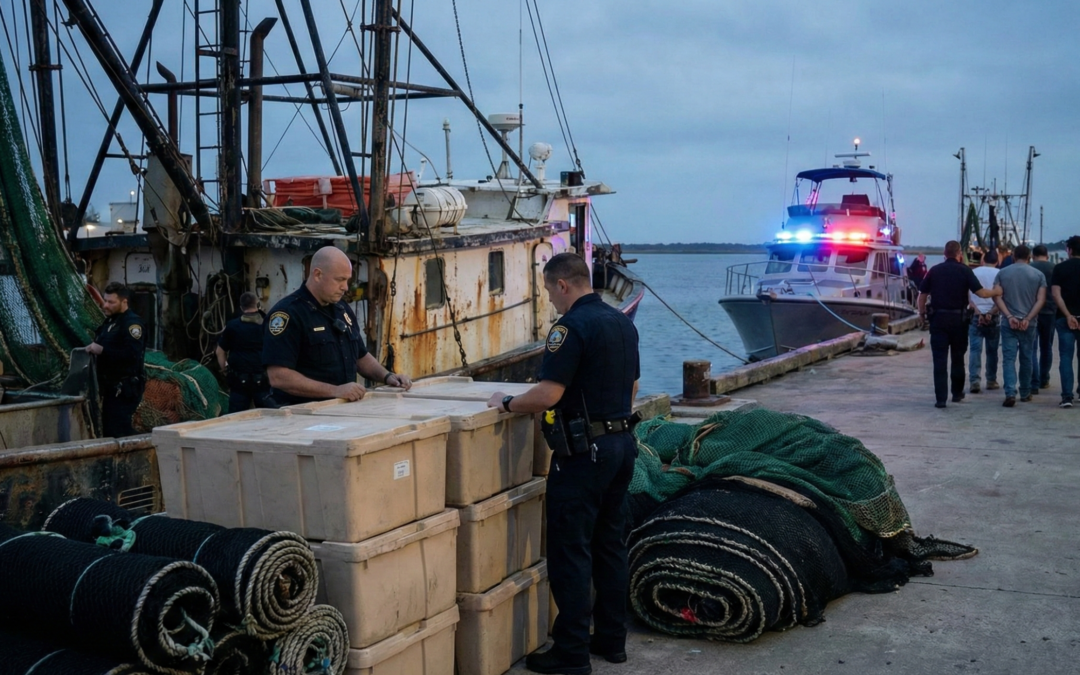
Illegal fishing, commonly referred to as poaching, has evolved from a simple regulatory violation into a sophisticated form of organized crime that threatens global marine ecosystems and economic stability. This criminal enterprise operates across international borders, involving complex networks of perpetrators, distributors, and consumers who profit from the illegal extraction of aquatic resources. The scale and scope of illegal fishing operations rival those of drug trafficking and weapons smuggling, making it one of the most pressing environmental crimes of our time.
The Economic Impact of Illegal Fishing
The economic consequences of poaching extend far beyond the initial theft of marine resources. Illegal fishing costs governments and legitimate fishing industries billions of dollars annually in lost revenue, reduced fish stocks, and diminished economic opportunities. Coastal communities that depend on sustainable fishing practices face economic collapse as their traditional livelihoods become unsustainable. The criminal networks involved in poaching reinvest their profits into money laundering operations, further destabilizing local economies and enabling additional criminal activities.
Environmental Destruction and Ecosystem Collapse
Poaching operations cause irreversible damage to marine ecosystems through several destructive mechanisms:
- Overharvesting: Illegal fishing removes fish and marine species at rates that exceed sustainable reproduction levels, leading to population collapse and species extinction.
- Destructive Fishing Methods: Poachers employ techniques such as dynamite fishing, cyanide poisoning, and illegal nets that destroy coral reefs and seafloor habitats.
- Bycatch and Species Endangerment: Indiscriminate fishing practices trap protected species, including endangered sea turtles, dolphins, and sharks.
- Biodiversity Loss: The removal of key species disrupts ecological balance, affecting entire food chains and reducing marine biodiversity.
Organized Crime Networks and Their Operations
Illegal fishing operations function as sophisticated criminal enterprises with clearly defined hierarchies and specializations. These networks typically include vessel operators, crew members, financial facilitators, and distribution networks that move stolen seafood products through legitimate supply chains. Corrupt government officials, port authorities, and law enforcement personnel often collaborate with these criminal organizations, providing protection and facilitating illegal activities.
Modern poaching operations utilize advanced technology to locate fish stocks, communicate securely, and evade detection. GPS systems, sophisticated fishing equipment, and encrypted communication devices enable these criminals to operate with minimal risk of apprehension. The involvement of organized crime syndicates has transformed illegal fishing from isolated incidents into coordinated, large-scale operations that function across multiple jurisdictions.
Global Penalties and Legal Frameworks
Governments worldwide have implemented increasingly severe penalties to combat illegal fishing and deter criminal participation. Penalties for poaching violations vary by jurisdiction but typically include:
- Substantial fines ranging from thousands to millions of dollars
- Vessel seizure and confiscation of fishing equipment
- Criminal imprisonment sentences extending from months to several years
- Loss of fishing licenses and permanent bans from commercial fishing operations
- International sanctions and port state control measures
Despite these penalties, enforcement remains challenging due to limited resources, vast ocean expanses, and corruption within enforcement agencies. Many countries lack the naval capacity and funding necessary to effectively patrol their exclusive economic zones and prevent illegal fishing activities.
International Cooperation and Enforcement Challenges
The transnational nature of illegal fishing requires coordinated international enforcement efforts. Regional fisheries management organizations, international treaties, and bilateral agreements establish frameworks for cooperation and information sharing. However, enforcement remains complicated by jurisdictional limitations, varying legal standards across countries, and the difficulty of prosecuting organized crime networks that span multiple nations.
Flag state responsibility remains a critical issue, as vessels registered under flags of convenience enable criminals to evade accountability. Strengthening port state control measures and improving transparency in vessel registration and ownership have become essential strategies for disrupting illegal fishing operations and holding criminal organizations accountable.
The Role of Supply Chain Transparency
Addressing illegal fishing requires increased transparency throughout seafood supply chains. Consumer demand for responsibly sourced seafood has prompted retailers and restaurants to implement traceability systems that verify the legal origin of fish products. Certifications from organizations such as the Marine Stewardship Council help consumers identify sustainably and legally caught seafood while deterring the purchase of products derived from poaching operations.
Conclusion
Illegal fishing represents a multifaceted criminal phenomenon that demands comprehensive, coordinated responses from governments, international organizations, and private sector stakeholders. Through enhanced enforcement, stricter penalties, improved supply chain transparency, and international cooperation, the global community can work toward disrupting these organized crime networks and protecting marine ecosystems for future generations. The continued evolution of penalties and enforcement strategies remains essential to combating this persistent threat to global fisheries and environmental sustainability.