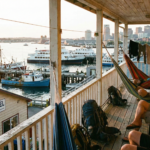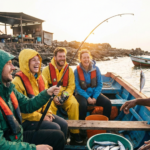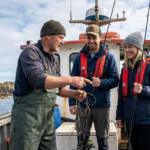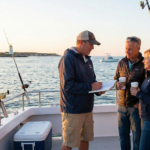
Remote access housing represents a growing shift in how people define comfort, convenience, and connection to nature. Far from urban centers and traditional infrastructure, off-grid homes in coastal and island communities offer a lifestyle built around self-reliance and proximity to the sea. For many residents, the ultimate luxury isn’t fast Wi-Fi or nearby shopping, it’s the ability to step outside and receive fresh-caught fish straight from local boats. These homes, often accessible only by boat, small plane, or rugged trails, attract individuals seeking simplicity, sustainability, and a deeper relationship with their environment. While living off-grid presents undeniable challenges, it also delivers unique rewards, from food security rooted in local waters to a strong sense of independence. As interest in remote living grows, these coastal homes are redefining what “access” truly means less about roads and more about resources.
What Defines Remote Access Housing
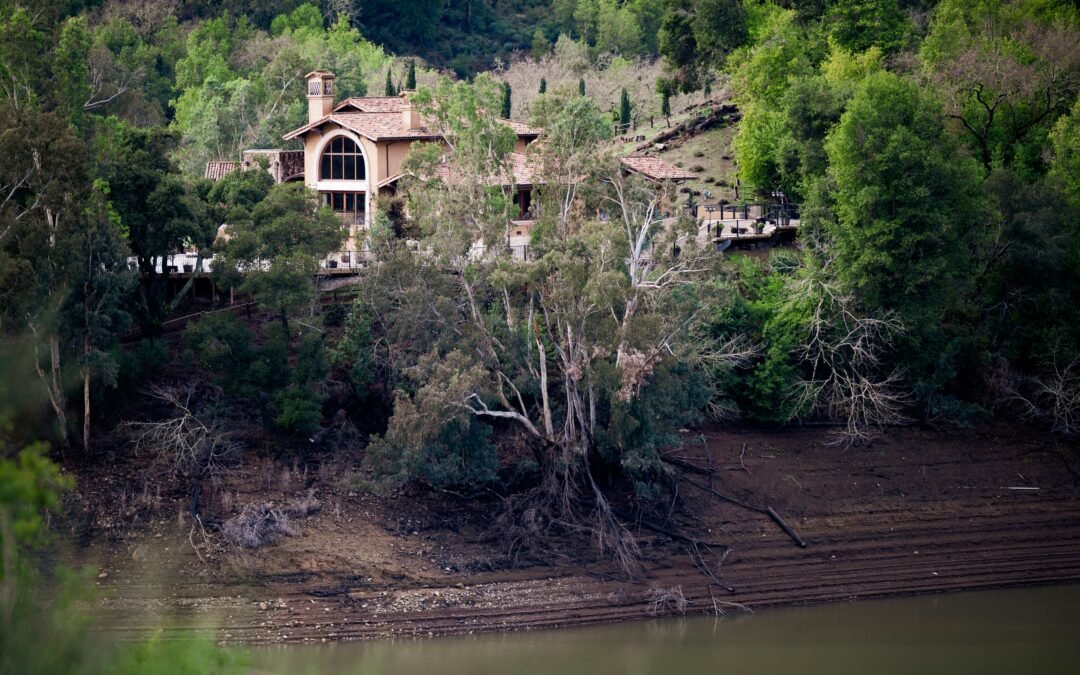
Remote access housing refers to residences located beyond conventional transportation networks and utility systems. These homes often rely on solar power, rainwater collection, generators, and alternative heating sources. Access may depend on tides, weather conditions, or seasonal routes, making planning and preparedness essential. Rather than isolation, however, many residents view this remoteness as an intentional buffer from overcrowding and overdevelopment.
Living Off-Grid by the Water
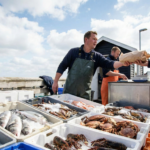
Coastal off-grid homes benefit from their location in ways inland properties cannot. Fishing is not just recreational but a primary food source, supplementing or even replacing grocery dependence. Fresh catch delivered by neighbors, local fishermen, or personal harvest strengthens food independence while reinforcing community ties. This relationship with the sea becomes part of daily life, shaping routines, meals, and traditions.
Sustainability and Self-Reliance
Off-grid coastal living demands a mindset centered on sustainability. Energy use is carefully managed, waste is minimized, and residents often grow or forage supplemental food. Fishing practices are typically seasonal and respectful of local ecosystems, aligning with long-standing traditions. This lifestyle encourages mindful consumption and a deeper awareness of natural cycles v,alues increasingly sought after in modern housing trends.
Community Over Convenience
Despite physical distance from cities, remote access housing often fosters tight-knit communities. Residents rely on one another for supplies, emergency support, and shared labor. The exchange of fresh fish, tools, or services strengthens bonds and replaces transactional convenience with mutual trust. In these settings, community becomes the true infrastructure.
Challenges of Remote Coastal Living
Living off-grid near the coast is not without obstacles. Harsh weather, limited medical access, and supply delays require resilience and adaptability. Maintenance costs can be higher, and emergency planning is critical. However, many residents accept these challenges as part of the trade-off for autonomy, privacy, and direct access to natural resources.
A Growing Appeal in a Connected World
As remote work and alternative lifestyles gain acceptance, off-grid coastal housing is drawing new interest. Buyers are increasingly motivated by lifestyle alignment rather than proximity to urban amenities. The promise of fresh food, open water, and intentional living continues to attract those willing to redefine comfort on their own terms.
Conclusion
Remote access housing offers more than shelter; it offers a philosophy of living grounded in independence, sustainability, and connection to the sea. Off-grid coastal homes with fresh catch at the doorstep challenge conventional ideas of convenience while delivering a deeply fulfilling lifestyle. For those prepared to embrace its demands, this way of life provides something rare: access not to roads or stores, but to nature, community, and self-sufficiency