
Working waterfronts connect seafood traditions with daily community life along coasts where families depend on the sea. Fishermen launch boats before sunrise and return with catches that feed neighbors and support local markets. Residents gather at docks to trade stories, buy fresh fish, and celebrate shared heritage. These spaces nurture strong relationships between workers, vendors, cooks, and visitors who value coastal culture. Seafood drives local economies while shaping customs, festivals, and everyday routines in waterfront towns. Children watch unloading crews and learn skills that tie them to maritime history. Community members protect these traditions because they anchor identity and create belonging. This article explores how seafood strengthens community bonds on working waterfronts. Through markets, restaurants, and cooperative efforts, residents transform fresh catches into shared experiences that unite generations. Their actions reveal how food, labor, and place combine to build vibrant coastal communities.
The Daily Rhythm of Fishing Life
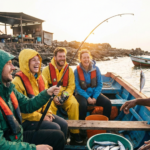
Fishing activity sets the pace for life on working waterfronts. Crews prepare gear, check the weather, and head toward familiar fishing grounds each morning. Their work demands teamwork, patience, and deep knowledge of local waters. When boats return, dockworkers unload crates filled with fish, shellfish, and other harvests. Buyers inspect the catch and negotiate prices with experienced fishermen. These exchanges build trust through repeated interaction and mutual respect. Families often participate in different parts of this process across generations. Parents teach children navigation, safety, and sustainable harvesting methods. Young people absorb practical skills while developing pride in their heritage. The waterfront becomes a living classroom where tradition meets daily practice. Shared labor creates strong social ties among workers who rely on each other. This rhythm links economic survival with community cooperation and shared responsibility.
Markets That Bring People Together
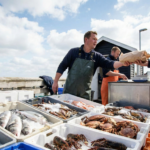
Seafood markets serve as lively gathering places within waterfront neighborhoods. Vendors arrange fresh catches on ice and greet regular customers by name. Shoppers ask about preparation methods and seasonal availability. Conversations flow easily as people exchange recipes and cooking tips. These interactions strengthen relationships between producers and consumers. Markets encourage residents to support local fishermen and small businesses. Visitors also experience authentic coastal culture through direct contact with sellers. Community groups often organize events around these market spaces. Cooking demonstrations and tasting sessions attract diverse crowds. Musicians and artists add energy to special market days. Children explore stalls and learn to recognize different species. Adults share stories about past seasons and memorable catches. These shared experiences turn simple shopping trips into social rituals. Markets reinforce a sense of belonging that extends beyond economic transactions.
Shared Meals and Waterfront Dining
Restaurants and seafood shacks extend community life from the docks to dining tables. Chefs design menus around the day’s freshest catches from nearby boats. Diners appreciate the direct connection between fishermen and their plates. Friends and families gather to enjoy meals that highlight local flavors. Conversations continue long after servers clear empty dishes. Regular customers develop friendships with restaurant staff and owners. These establishments often host celebrations, meetings, and casual reunions. Outdoor seating areas encourage people to linger and watch harbor activity. Visitors mingle with residents and absorb the atmosphere of working ports. Signature dishes reflect regional history and cultural influences. Cooks preserve family recipes while experimenting with new techniques. Shared meals create memories that strengthen personal and collective identity. Dining spaces become informal community centers where people connect through food.
Protecting Tradition Through Sustainability
Waterfront communities recognize the need to protect marine resources for future generations. Fishermen adopt responsible practices that limit overharvesting and habitat damage. Local organizations promote education about sustainable seafood choices. Schools partner with industry leaders to teach environmental stewardship. Residents participate in cleanup efforts and conservation projects. Cooperative fisheries encourage fair pricing and ethical harvesting standards. These initiatives require collaboration between workers, officials, and citizens. Community meetings allow participants to discuss challenges and propose solutions. People advocate for policies that preserve access to working waterfronts. They balance economic needs with ecological responsibility. Sustainable practices support long-term prosperity and cultural continuity. Young leaders emerge to champion innovation and environmental care. Their commitment ensures that traditions adapt without disappearing. Collective action strengthens trust and shared purpose within the community.
Conclusion
Seafood shapes the social fabric of working waterfronts by linking labor, culture, and daily interaction. Fishermen, vendors, cooks, and residents collaborate to sustain vibrant local economies. Markets and restaurants provide spaces where people gather and build lasting relationships. Shared traditions give communities a strong sense of identity and pride. Sustainable practices protect the resources that support these connections. Residents understand that their future depends on careful stewardship and cooperation. They celebrate their heritage through festivals, meals, and everyday routines. Each activity reinforces bonds between individuals and their environment. Working waterfronts thrive because people invest time, effort, and care into collective well-being. Seafood remains a powerful symbol of unity and resilience in these coastal towns. Communities that honor these values continue to grow while preserving their unique character. Their example shows how food-centered traditions can anchor strong, connected societies.
Photo by Drew Farwell on Unsplash