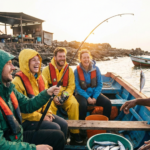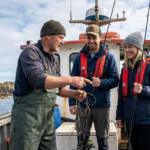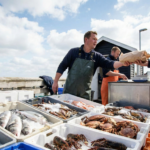
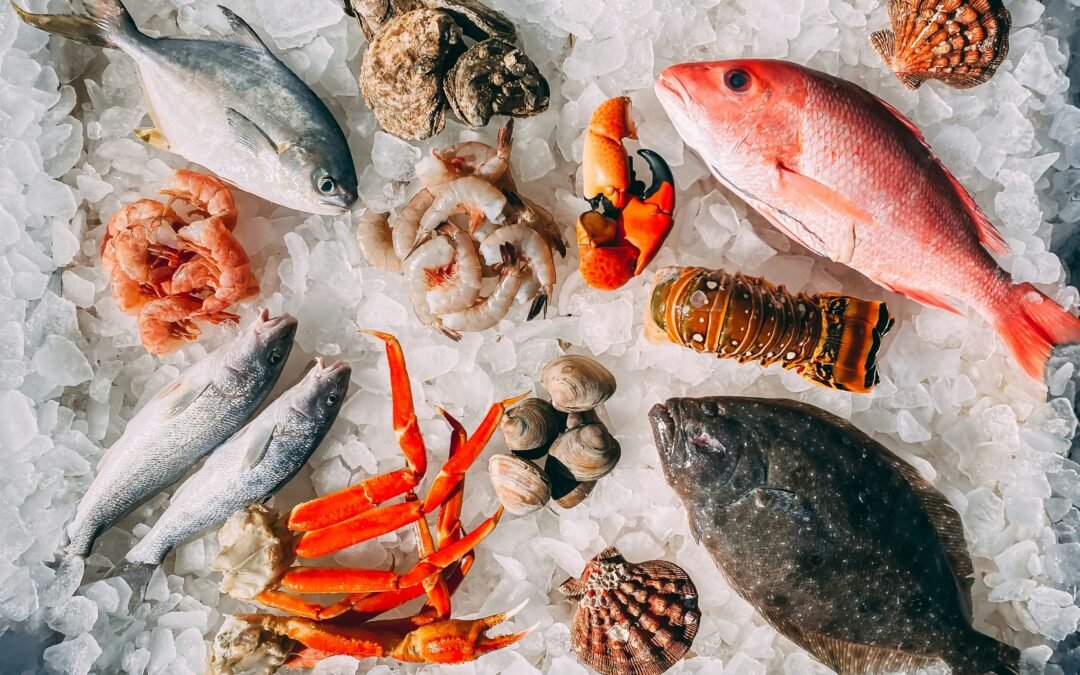
Seafood in Alaskan culture is far more than food; it is a foundation of survival, identity, and tradition. For thousands of years, Alaska’s Indigenous peoples have depended on fish and marine life to sustain their communities physically, spiritually, and socially. The ocean, rivers, and coastal waters provide not only nourishment but also meaning, shaping daily life, ceremonies, and values. From salmon runs that guide seasonal activities to communal fishing practices that strengthen family bonds, seafood connects Alaskans deeply to their land and heritage. This enduring relationship reflects respect for nature, sustainability, and cultural continuity passed carefully from generation to generation.
Seafood in Alaskan Culture: A Deep Connection to Tradition and Sustainability
Seafood has been a cornerstone of Alaskan culture for thousands of years, playing a vital role in daily life. For Indigenous peoples, fish and marine life are central to their survival, spirituality, and traditions. Alaskan Native groups, including the Yupik, Inupiat, and Tlingit, have historically relied on seafood as a primary food source. These communities have developed complex knowledge and techniques for harvesting seafood sustainably, ensuring the ecosystem remains balanced. Seafood is not merely a source of nutrition but also a symbol of cultural identity and resilience.
Indigenous Peoples and Seafood: A Lifelong Tradition
Alaska’s indigenous peoples have an intimate connection with the ocean and its bounty. They have relied on fish, seals, and other marine creatures for food, clothing, and tools. Salmon is particularly significant, as it provides sustenance and holds spiritual meaning for many Alaskan Native cultures. The seasonal migration of salmon offers an opportunity for communal gatherings and ritualistic practices. Communities often come together to harvest, process, and preserve seafood, strengthening bonds and passing down traditional knowledge to younger generations.
The process of fishing is deeply intertwined with the spiritual beliefs of many Native groups. For example, many Alaskan Native cultures believe in the concept of respect for the animals they hunt, honoring their spirits. Special ceremonies and offerings are made to thank the fish for providing sustenance. Such practices ensure a sense of reverence and appreciation for the natural world. Fishing is not just a physical activity but also a spiritual connection to the Earth and its ecosystems.
The Role of Salmon in Alaskan Culture
Salmon is perhaps the most important and iconic seafood species in Alaskan culture. The fish is woven into the fabric of daily life, both practically and symbolically. Indigenous peoples often refer to the salmon as a “gift” from the ocean, a sacred offering that nourishes the body and spirit. Many communities rely on the annual salmon run, harvesting large quantities of fish for food, and preservation through methods like drying and smoking. The salmon runs are seen as a sign of nature’s cycle, connecting the people to the land and sea.
Each year, thousands of salmon swim upstream to spawn, returning to the same rivers where they were born. This natural phenomenon has been a source of sustenance for Indigenous peoples for millennia. The timing of the salmon run dictates many aspects of life in Alaskan communities, from festivals to family gatherings. Traditional knowledge of salmon habitats and migration patterns is passed down orally, ensuring the next generation understands the timing and techniques necessary for successful fishing.
Fishing As a Family and Community Activity
Fishing is not just an individual endeavor but a family and community tradition. In many Alaskan Native cultures, families come together to harvest seafood in a cooperative and communal effort. It is common for extended families to work together to catch, process, and store the fish for the winter months. The work is often divided among different members, with the older generation teaching the younger ones how to fish and preserve the catch. These shared experiences foster a strong sense of community, unity, and interdependence.
The passing down of fishing skills is vital to preserving cultural knowledge. For instance, the techniques used for netting, trapping, and preparing seafood are often learned from elders. Fishing becomes not only an economic activity but also a means of maintaining cultural continuity. Children are taught to respect the land and the creatures they harvest, instilling a sense of responsibility toward nature that transcends generations.
Seafood As a Symbol of Cultural Identity
Seafood plays an essential role in expressing Alaskan Native cultural identity. Fish and marine life are featured in art, dance, storytelling, and other forms of cultural expression. Traditional songs and dances celebrate the salmon and other sea creatures, acknowledging their vital role in sustaining the community. Seafood also appears in the craftwork of Native artisans, who use fish skins and bones to create intricate designs and functional items. These works of art symbolize the deep connection between the people and the sea.
For many Alaskan Natives, the act of fishing is not only about survival but also about preserving their heritage. In a world where modern influences are constantly changing traditional ways of life, the continued practice of fishing helps maintain a sense of cultural pride. Through these practices, younger generations learn to value their heritage, strengthening the continuity of their cultural identity.
Modern Challenges to Traditional Seafood Practices
While seafood remains central to Alaskan Native cultures, modern challenges threaten traditional fishing practices. Climate change, overfishing, and industrial fishing methods have strained marine ecosystems, making it harder for certain species, like salmon, to thrive. Warming waters, pollution, and habitat destruction also disrupt the natural migration patterns of fish. These environmental issues pose a threat to the availability of seafood, making it more difficult for communities to rely on traditional sources of food.
In addition to environmental challenges, economic pressures have led many young people to seek jobs in other sectors. This shift threatens the intergenerational transfer of fishing knowledge and practices. As traditional fishing practices decline, some communities are turning to modern technologies to maintain their seafood harvests. However, these methods often clash with cultural values centered on sustainable, respectful fishing.
Preservation of Seafood Traditions
In response to these challenges, many Alaskan Native communities are actively working to preserve their seafood traditions. They are adopting sustainable fishing practices that protect both the environment and their way of life. For instance, some communities are pushing for stricter regulations on commercial fishing to ensure the health of fish populations. Others are engaging in conservation efforts to restore and protect critical salmon habitats. There is also a growing movement to revitalize traditional fishing techniques, blending ancient practices with modern knowledge.
Efforts to preserve Alaskan seafood traditions are supported by the broader community as well. Many organizations and advocates promote the importance of wild-caught seafood from Alaska, emphasizing its cultural, economic, and environmental significance. As awareness grows about the importance of sustainability, more people are embracing the value of preserving Alaska’s seafood resources for future generations.
Conclusion: Seafood As a Lifeline for Alaskan Culture
Seafood remains a vital aspect of Alaskan Native cultures, both as a physical sustenance and as a symbol of cultural identity. For thousands of years, fish, especially salmon, have provided nourishment and spiritual meaning for indigenous peoples. Fishing is a communal and intergenerational practice that strengthens family bonds and fosters cultural continuity. Despite modern challenges, Alaskan Native communities are working to protect and sustain their seafood traditions. By doing so, they ensure that future generations can continue to honor the deep connection between the land, sea, and their cultural heritage.
Photo by Mike Bergmann on Unsplash