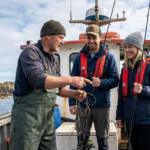
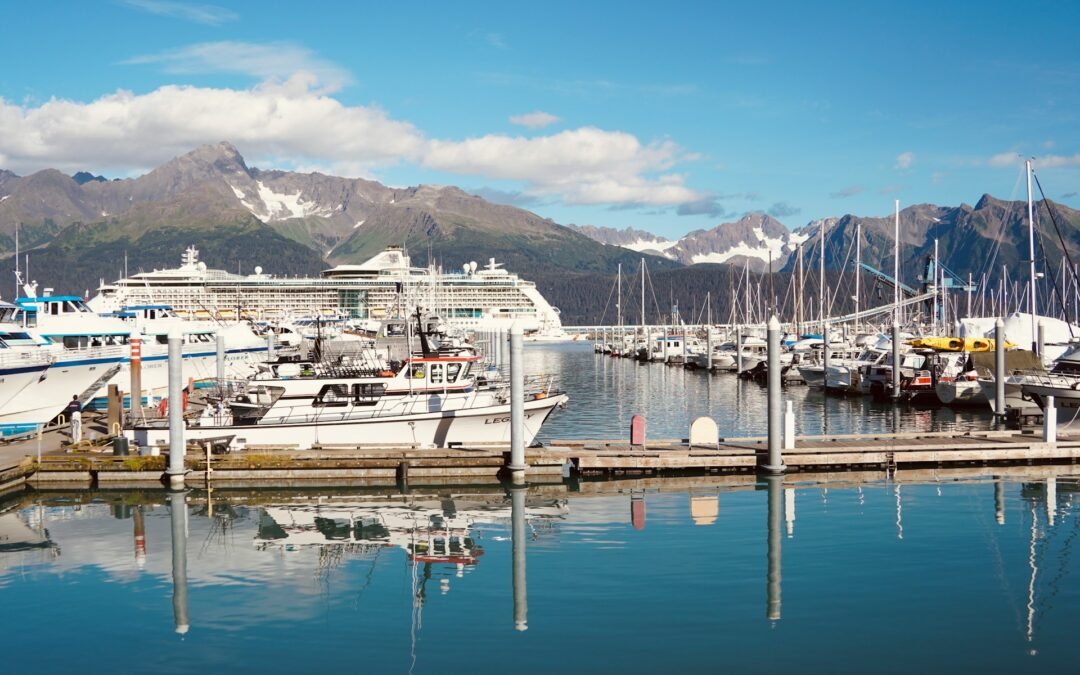
Alaska’s seafood industry is known worldwide for its strong commitment to sustainability. The state follows strict rules to protect fish populations, ocean habitats, and the people who depend on fishing for their livelihoods. Unlike many regions, Alaska manages its fisheries with a long-term approach rather than short-term profit. Scientific research, careful planning, and strong enforcement all play an important role in this system. These practices help ensure that fishing remains balanced and responsible. As a result, Alaska has built a seafood industry that supports healthy oceans while providing high-quality, wild-caught seafood to consumers around the world.
Strong Laws Protecting Marine Resources
Alaska’s strong legal framework makes its seafood industry sustainable. The state constitution requires officials to manage natural resources for long-term use, and this mandate applies to every fishery. Regulators prohibit fishing activities that threaten fish populations or ocean health. They enforce strict rules to prevent overfishing and safeguard future harvests. State and federal agencies actively monitor fishing operations and take action when violations occur. By applying penalties for broken rules, authorities ensure compliance and protect long-term sustainability.
Science-Based Fishery Management
Alaska relies on scientific research to manage its fisheries. Marine biologists study fish populations, migration patterns, and reproduction cycles. This information is used to set annual catch limits. These limits ensure that enough fish remain in the water to reproduce and maintain healthy population levels. Fish stocks are reviewed regularly to track changes over time. Management plans are adjusted when population levels rise or fall. This flexible approach helps protect fisheries from long-term damage.
Seasonal Fishing and Habitat Protection
Managers carefully plan Alaska’s fishing seasons and open many fisheries only during specific times of the year. They schedule these seasons to protect fish during spawning and allow stocks to recover naturally. Regulators ban fishing methods that damage the ocean floor to safeguard marine habitats. Authorities also close certain areas to protect sensitive ecosystems, breeding grounds, and underwater environments. Together, these actions maintain long-term ocean health.
Reducing Bycatch and Waste
Bycatch reduction is a key sustainability goal. Bycatch occurs when non-target species are caught accidentally. Alaska requires the use of specialized fishing gear to reduce this problem. Fishermen must follow strict rules to avoid protected species. Alaska also promotes full use of the catch, which helps reduce waste and increase efficiency. Bycatch levels are closely monitored by observers and reporting systems. Fishermen are encouraged to adjust their methods when bycatch rates increase. These efforts help protect marine biodiversity and maintain balanced ecosystems.
Monitoring, Enforcement, and Community Involvement
Alaska enforces its fishing rules through strong monitoring systems. Many vessels carry onboard observers or electronic monitoring tools. These systems help ensure that regulations are followed at sea. Local fishing communities also play an important role. Fishermen work with scientists and regulators to support responsible fishing practices. This cooperation builds trust and improves decision-making. Community feedback helps shape fair and effective fishing policies. Together, monitoring and collaboration strengthen long-term sustainability.
Conclusion
Alaska’s seafood industry sets a global example for sustainable fishing. Through strong laws, scientific management, seasonal controls, and careful monitoring, the state protects its marine resources. These efforts support both the environment and fishing communities. By choosing Alaska seafood, consumers support a system that values long-term ocean health and responsible food production. This approach helps ensure seafood supplies remain stable for future generations. It also encourages responsible fishing practices around the world. Alaska’s model shows that sustainability and economic success can work together.