
Alaska’s vast wilderness, extreme climate, and remote landscapes have shaped a workforce unlike anywhere else in the world. While many jobs resemble those found elsewhere, the state is also home to unique Alaskan professions that exist because of its geography, natural resources, and way of life. From the icy waters of the Bering Sea to protected national parks and isolated villages, these careers reflect resilience, adaptability, and a deep connection to nature. These roles often demand specialized skills, physical endurance, and a willingness to work far from modern conveniences, making them as challenging as they are essential to Alaska’s economy and culture. For many Alaskans, a job is more than a paycheck; it’s a lifestyle shaped by seasons, survival, and respect for the land.
Commercial Fishermen: Life on the Open Sea
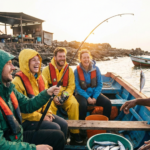
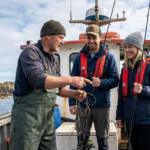
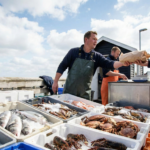
Commercial fishing is one of Alaska’s most iconic professions. Fishermen harvest salmon, crab, halibut, and cod from some of the richest waters on the planet. The work is physically demanding and often dangerous, requiring long hours in cold, unpredictable conditions. Despite the risks, fishing remains a vital part of Alaska’s economy and cultural identity. Many families pass down fishing traditions through generations, making it more than just a job; it’s a way of life. The seasonal nature of commercial fishing also means intense periods of work followed by months of preparation, repair, and waiting for the next run.
Park Rangers: Protecting the Wild
With more than half of America’s national parks located in Alaska, park rangers play a crucial role in conservation and education. These professionals protect wildlife, maintain trails, assist visitors, and preserve fragile ecosystems. Alaskan park rangers often work in remote areas with limited access, requiring strong survival skills and environmental knowledge. Their work ensures that Alaska’s breathtaking landscapes remain protected for future generations while helping visitors safely experience the wilderness. In many cases, they also serve as first responders, handling wildlife encounters, medical emergencies, and search-and-rescue operations in vast, unforgiving terrain.
Bush Pilots: Lifelines of the Last Frontier
In many parts of Alaska, roads simply don’t exist. This makes bush pilots essential to daily life. Flying small aircraft, they transport mail, supplies, medical patients, and passengers to remote communities. Bush pilots must navigate harsh weather, rugged terrain, and short runways, making this one of the most challenging aviation careers in the world. Their work keeps isolated towns connected and is a vital part of Alaska’s infrastructure. Beyond transportation, bush pilots often serve as lifelines during emergencies, delivering critical aid when weather and distance leave no other options.
Wildlife Biologists and Field Researchers
Alaska’s diverse ecosystems make it a hub for wildlife biologists and environmental researchers. These professionals study animals such as bears, caribou, whales, and migratory birds to understand population trends and environmental changes. Fieldwork often involves extended stays in remote locations, sometimes accessible only by boat or plane. Their research supports conservation efforts and helps balance human activity with wildlife preservation. In Alaska, this work often places scientists on the front lines of climate change, where shifting habitats and warming temperatures are already reshaping fragile ecosystems.
Subsistence Hunters and Guides
Subsistence hunting remains essential in many rural Alaskan communities, providing food and preserving cultural traditions. Professional hunting and fishing guides also play a role, leading visitors on regulated excursions while promoting ethical practices. These professions require deep knowledge of the land, wildlife behavior, and seasonal cycles, blending traditional skills with modern regulations. For many, these roles are not just work; they are a way to pass on ancestral knowledge and maintain a vital connection between people and the natural world.
Seasonal and Ice-Related Jobs
Alaska’s extreme climate has created jobs rarely found elsewhere, such as ice road builders, snow removal specialists, and glacier tour guides. Seasonal work is common, with many residents taking on different roles throughout the year depending on the weather and demand. This flexibility reflects Alaska’s adaptive lifestyle. Residents often develop a diverse set of skills to navigate these shifts, making versatility as important as expertise in any single field. This adaptability is key to thriving in Alaska’s challenging environment.
Conclusion
Unique Alaskan professions are shaped by the state’s rugged environment, rich natural resources, and strong community values. Whether navigating icy seas, protecting vast wilderness areas, or flying supplies into remote villages, these careers highlight the resilience and ingenuity of Alaskans. More than just jobs, they represent a deep connection to the land and a lifestyle defined by independence, responsibility, and respect for nature. In Alaska, work is not just about earning a living; it’s about surviving, preserving, and thriving in the Last Frontier. These professions showcase how Alaskans adapt to extreme conditions while maintaining traditions, skills, and a profound bond with their environment.