
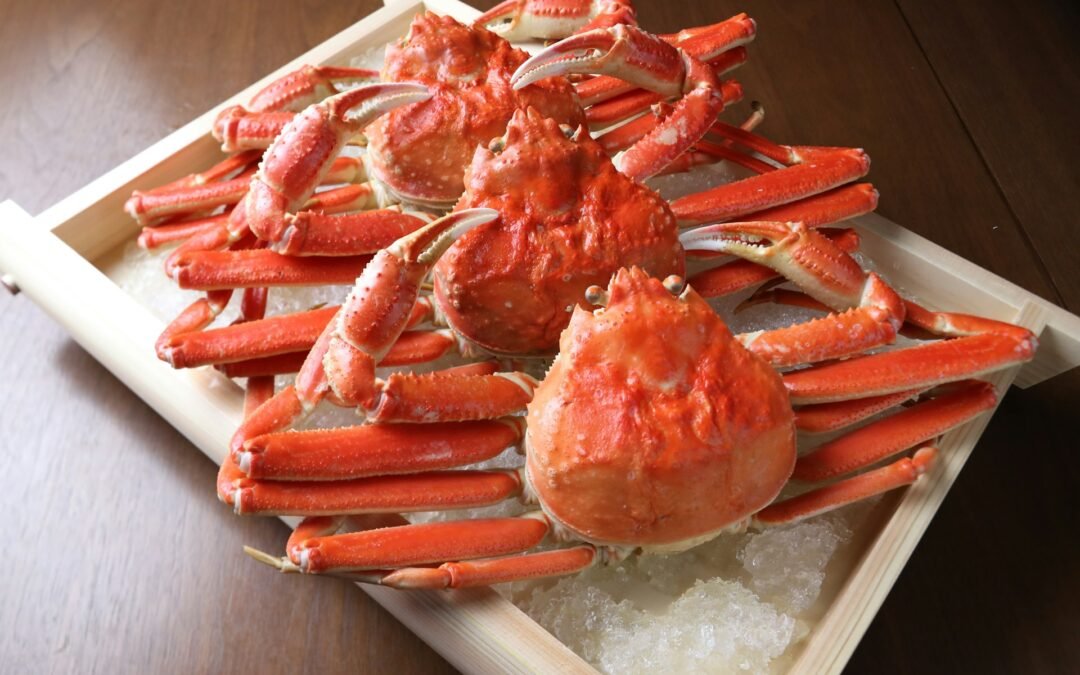
Alaska King Crab has captured the hearts of seafood lovers around the world. Known for its sweet, tender meat and impressive size, it is more than just a meal; it is a symbol of Alaska’s pristine waters and rich culinary heritage. The rise of this crab as a culinary treasure reflects the state’s dedication to sustainable fishing, high-quality seafood, and the thriving maritime culture that supports local communities. From its early discovery in the icy Bering Sea to its status on fine dining menus across the globe, this crab has become synonymous with luxury, flavor, and the best that Alaskan seafood has to offer.
The Origins of Alaska King Crab: From Icy Waters to Commercial Harvest
Alaska King Crab, scientifically called Paralithodes camtschaticus, was first harvested commercially in the 1960s. Found along Alaska’s northern coasts and in the Bering Sea, these crabs thrive in cold, nutrient-rich waters. Their size, sweet flavor, and firm texture quickly drew attention from chefs and seafood enthusiasts. Snow crab and red king crab soon followed as variations that offered both quality and accessibility. These crabs were initially harvested to meet growing demand in U.S. markets and have since become a globally recognized delicacy.
Alaskan King Crab As a Culinary Icon: Taste and Global Popularity
The unique taste and presentation of Alaska King Crab elevated it to gourmet status. Large, meaty legs with delicate sweetness make it ideal for steaming, boiling, or baking. Fine dining restaurants feature king crab as a centerpiece dish, while seafood festivals celebrate its harvest and culinary significance. Its luxurious flavor and rarity turned Alaska King Crab into a symbol of premium seafood, representing both indulgence and tradition in one bite.
Sustainability and Quality: Responsible Practices in Alaska
Alaska’s commitment to sustainable fishing played a critical role in the rise of King Crab. Strict quotas, seasonal harvesting, and monitoring programs protect crab populations and maintain a balance in the marine ecosystem. Flash-freezing at sea ensures that the crab’s freshness and flavor reach tables worldwide without compromise. These practices not only preserve the species but also reinforce Alaska King Crab’s reputation as a responsibly sourced, high-quality seafood option.
Cultural Significance: Alaska King Crab and Local Traditions
Beyond taste, Alaska King Crab embodies the culture of the state. It represents the resilience of fishing communities, the bounty of the ocean, and Alaska’s culinary identity. Guided tours, festivals, and local traditions celebrate the crab harvest, connecting residents and visitors to the state’s maritime heritage. Each bite is more than food; it’s a connection to Alaska’s waters, history, and people.
Conclusion
The rise of Alaska King Crab as a culinary treasure showcases the perfect blend of flavor, quality, and sustainability. From the icy depths of the Bering Sea to plates in restaurants around the world, it stands as a true icon of Alaskan seafood. Experiencing Alaska King Crab is not just about enjoying a meal is about savoring a piece of Alaska’s rich culinary legacy, where every bite tells a story of the ocean’s bounty and the people who protect it.
Photo by Tadahiro Higuchi on Unsplash