
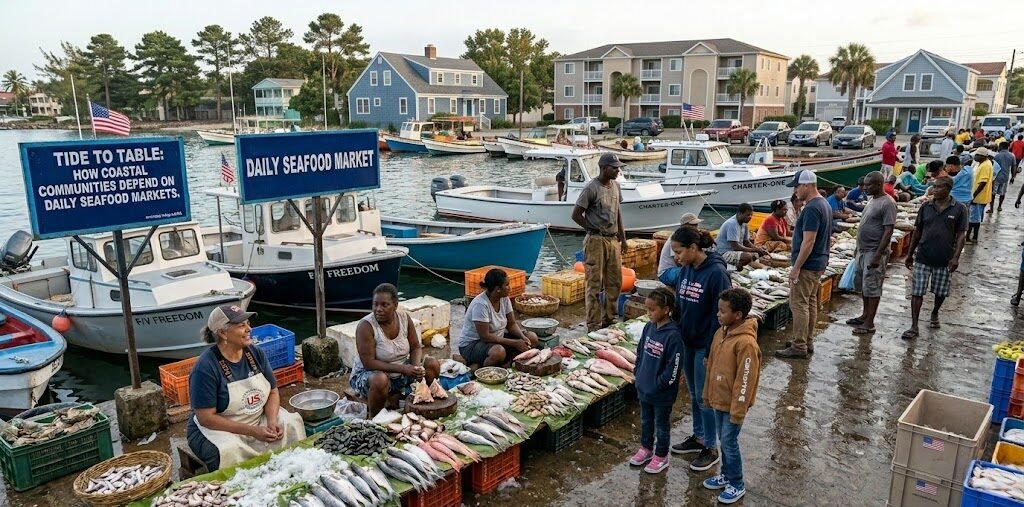
Introduction to Coastal Seafood Markets
Coastal communities have long relied on the bounty of the sea to sustain their livelihoods and cultures. The daily seafood markets that thrive in these regions represent far more than commercial transactions—they embody centuries of tradition, ecological knowledge, and cultural identity. From the bustling harbors of Southeast Asia to the charming ports of the Mediterranean, these markets serve as vital hubs where fishermen, vendors, and consumers converge to exchange the ocean’s finest offerings.
The Economic Significance of Coastal Seafood Markets
Seafood markets in coastal communities generate substantial economic impact, supporting thousands of livelihoods across multiple sectors. Fishermen, boat operators, market vendors, restaurateurs, and transportation workers all depend on the steady flow of fresh catch moving from sea to table. These markets facilitate direct sales that often bypass middlemen, allowing coastal residents to maintain competitive prices while maximizing profits.
The daily operations of these markets create employment opportunities for diverse skill sets. Beyond the obvious fishing and selling roles, communities benefit from skilled workers in ice production, packaging, food safety inspection, and logistics. Many families have operated market stalls for generations, creating stable income streams and fostering financial security within coastal populations.
Biodiversity and Species Availability
The variety of seafood available at coastal markets reflects the unique marine ecosystems surrounding each region. Different coastlines support distinct fish populations, crustaceans, and mollusks based on water temperature, salinity, and depth.
- Cold-water species: Arctic and northern coastal markets feature cod, halibut, and herring
- Tropical species: Warm-water markets offer grouper, snapper, and tropical prawns
- Seasonal specialties: Salmon runs, sardine seasons, and migration patterns create predictable abundance periods
- Local delicacies: Sea urchins, octopus, squid, and shellfish vary significantly by region
This biodiversity ensures that coastal markets offer freshness and variety that landlocked regions cannot match. Consumers benefit from access to species at peak nutritional value, harvested just hours before sale.
Sustainability and Traditional Fishing Practices
Many coastal communities have developed sustainable fishing practices refined over centuries. Traditional knowledge about spawning seasons, breeding grounds, and sustainable catch limits has enabled these communities to maintain healthy fish populations while supporting local economies.
However, coastal markets now face mounting pressure from industrial fishing, climate change, and overharvesting. Responsible market vendors increasingly prioritize sustainable sourcing, partnering with fishermen who employ selective fishing methods, respect marine protected areas, and follow seasonal restrictions. Progressive coastal communities are implementing certification programs and traceability systems to ensure consumers understand the environmental impact of their seafood choices.
Cultural Heritage and Community Identity
Seafood markets serve as cultural anchors in coastal communities, reflecting regional identities and culinary traditions. These spaces embody the heritage of fishing peoples who have shaped their entire way of life around maritime resources.
Market culture encompasses distinctive practices unique to each region. Morning auctions where fishermen sell their catch to the highest bidder, family recipes passed down through generations, and specialized preparation techniques all contribute to the distinctive character of local markets. Many coastal communities celebrate their maritime heritage through festivals, cooking competitions, and market-based tourism that attracts visitors seeking authentic cultural experiences.
Daily Operations and Market Rhythms
The rhythm of coastal seafood markets follows the patterns established by fishing schedules and ocean conditions. Most markets begin their operations in the early morning hours, immediately after fishing boats return with their catches.
A typical day in a coastal market follows this sequence:
- Pre-dawn hours: Fishermen unload their catch and begin initial sorting
- Early morning: Vendors arrange displays and prepare for the opening rush
- Mid-morning: Peak shopping period when restaurants and consumers arrive
- Midday: Secondary sales and bulk transactions for processing facilities
- Afternoon: Final sales and preparation of unsold inventory for next-day processing
- Evening: Market cleanup and preparation for the following day’s operations
This daily cycle has remained largely consistent across generations, though modern refrigeration and transportation have introduced new possibilities for extending market reach and product freshness.
Quality Standards and Food Safety
Reputable coastal seafood markets maintain rigorous quality standards to ensure consumer safety and satisfaction. Professional vendors assess freshness through multiple indicators including eye clarity, gill color, skin texture, and aroma. Proper temperature control, regular ice replenishment, and rapid turnover of inventory prevent spoilage and maintain nutritional value.
Many coastal communities have implemented formal food safety protocols including regular health inspections, documentation of catch origins, and traceability systems. These standards protect public health while building consumer confidence in market products. International food safety regulations have prompted many coastal markets to upgrade infrastructure and implement best practices that align with global standards.
Tourism and Market Experiences
Coastal seafood markets have become increasingly significant tourist destinations, attracting visitors interested in authentic cultural experiences and fresh local cuisine. Markets offer glimpses into traditional ways of life while providing economic diversification for coastal communities.
Tourism centered on seafood markets creates opportunities for educational experiences, culinary tourism, and cultural exchange. Visitors learn about local fish species, traditional preparation methods, and maritime heritage while generating revenue that supports market infrastructure and community development. However, balancing tourism interest with the operational needs of working markets remains an ongoing challenge for many coastal communities.
Challenges Facing Coastal Seafood Markets
Contemporary coastal seafood markets navigate multiple challenges that threaten their viability and cultural continuity. Climate change alters fish migration patterns and water temperatures, affecting species availability and seasonal cycles. Industrial fishing practices threaten wild stocks, while pollution and habitat destruction reduce marine biodiversity.
Economic pressures from large-scale distributors and supermarket chains have reduced the customer base for traditional markets. Younger generations often pursue alternative livelihoods, creating concerns about succession and knowledge transfer.