Introduction to the Fishing Industry Beyond Traditional Roles
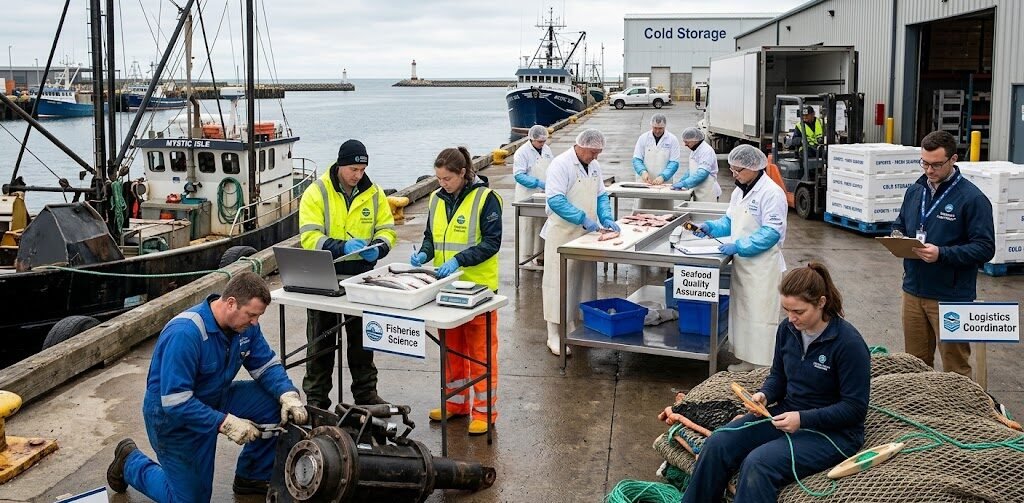
The fishing industry represents one of the world’s most vital economic sectors, employing millions of individuals across the globe. While many people associate fishing careers exclusively with commercial fishermen working aboard vessels, the reality is far more diverse and multifaceted. Behind every successful fishing operation lies an extensive network of professionals working in specialized roles that rarely make headlines but are absolutely essential to the industry’s function and sustainability.
From marine biologists conducting critical research to technology specialists managing complex digital systems, the fishing sector offers numerous career pathways that extend well beyond the waterfront. These hidden opportunities provide competitive salaries, meaningful work, and the chance to contribute to food security and environmental stewardship on a global scale.
Research and Scientific Roles in Fisheries
Marine scientists and fisheries biologists form the backbone of sustainable fishing practices. These professionals conduct extensive research to understand fish populations, breeding patterns, and ecosystem health. Their work directly influences fishing regulations and helps prevent overfishing and species depletion.
Careers in this field include:
- Fisheries Biologists: Study fish behavior, population dynamics, and environmental factors affecting marine life
- Marine Ecologists: Examine interactions between fishing practices and ocean ecosystems
- Oceanographers: Investigate water chemistry, temperature patterns, and currents that affect fish migration and abundance
- Data Analysts: Process and interpret large datasets to identify trends in fish populations and fishing yields
These positions typically require advanced degrees and offer excellent opportunities for those passionate about marine conservation and scientific inquiry.
Regulatory and Compliance Professions
Every fishing operation must navigate a complex landscape of regulations designed to protect marine resources and ensure food safety. Professionals in regulatory roles ensure that fishing practices meet stringent environmental and quality standards.
Key positions include:
- Fisheries Inspectors: Monitor fishing vessels and facilities to ensure compliance with regulations
- Environmental Compliance Officers: Oversee adherence to environmental protection laws and sustainability standards
- Seafood Safety Auditors: Verify that fish products meet health and safety requirements before reaching consumers
- Licensing Specialists: Manage permit applications, quota allocations, and regulatory documentation
These roles are critical for maintaining industry credibility and protecting both marine ecosystems and public health.
Technology and Digital Innovation Careers
Modern fishing operations increasingly rely on sophisticated technology to optimize efficiency, safety, and sustainability. Technology professionals are revolutionizing how the industry operates.
Emerging positions in this sector include:
- Maritime Software Developers: Create specialized applications for vessel navigation, fish detection, and fleet management
- IoT Specialists: Implement Internet of Things technologies for real-time monitoring of fishing equipment and catch conditions
- Data Scientists: Develop predictive models for fish stock management and optimal fishing locations
- Cybersecurity Experts: Protect vessel systems and fishing company data from digital threats
- GPS and Navigation Specialists: Maintain and optimize satellite positioning and navigation systems for fishing vessels
These technology-focused careers offer lucrative opportunities and are increasingly in demand as the industry embraces digital transformation.
Processing and Quality Management
Once fish reaches port, an entirely different workforce takes over. Processing facilities employ numerous professionals responsible for transforming raw catch into consumer-ready products while maintaining exceptional quality standards.
Notable careers include:
- Facility Managers: Oversee daily operations of processing plants and ensure efficiency
- Quality Assurance Specialists: Test products for safety, freshness, and consistency
- Food Safety Supervisors: Implement and monitor sanitation and food safety protocols
- Process Engineers: Design and improve production processes to maximize efficiency and minimize waste
- Packaging Specialists: Develop sustainable and effective packaging solutions for fish products
Processing careers often provide stable employment with regular hours and competitive benefits, making them attractive alternatives to vessel-based work.
Supply Chain and Logistics Professionals
The journey from catch to consumer involves complex logistics and supply chain management. Professionals in this field ensure that fish products reach markets efficiently while maintaining cold chain integrity.
Key roles encompass:
- Supply Chain Managers: Coordinate movement of products from fishing vessels through distribution networks
- Logistics Coordinators: Schedule shipments and manage transportation details
- Cold Chain Technicians: Maintain refrigeration systems critical for preserving product quality
- Inventory Managers: Track product flow and optimize storage and distribution
- Trade Compliance Specialists: Navigate international trade regulations and documentation requirements
These positions are essential for getting fresh seafood to markets globally and offer stable career development opportunities.
Marketing and Business Development
As consumer awareness of sustainable fishing grows, fishing companies increasingly need marketing professionals who can communicate their practices and values effectively.