The Rising Influence of Women in Fishing Communities
Fishing communities have traditionally been male-dominated sectors, yet in recent years, women have emerged as influential leaders driving significant change and innovation. These women leaders are reshaping the landscape of modern fishing through their entrepreneurial ventures, policy advocacy, and sustainable practices. Their contributions extend beyond vessel operations to encompass business management, environmental stewardship, and community development.
Breaking Traditional Barriers
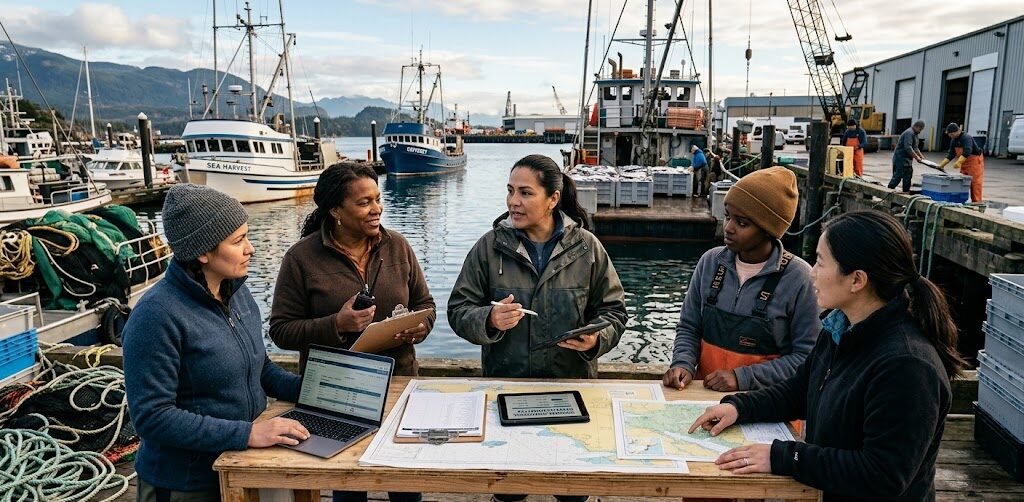
Historically, women in fishing communities faced considerable obstacles in accessing leadership positions and decision-making roles. Cultural norms and gender-based discrimination limited their opportunities to advance professionally. However, contemporary women leaders have successfully challenged these barriers through determination, education, and demonstrated competence. Today, women serve as fleet managers, business owners, marine biologists, and community organizers within fishing sectors worldwide.
The transformation has been gradual but meaningful. Women now hold positions that were previously considered exclusively male domains, earning recognition for their expertise and strategic vision. This shift reflects broader changes in societal attitudes toward gender equality and workforce participation.
Key Areas of Leadership and Impact
Business and Entrepreneurship
Women entrepreneurs are establishing fishing businesses, processing facilities, and value-added product enterprises. These ventures create employment opportunities and strengthen local economies. Female business leaders have introduced innovative approaches to supply chain management, product development, and market expansion, contributing to the economic resilience of their communities.
Sustainability and Environmental Management
Many women leaders prioritize sustainable fishing practices and environmental conservation. They advocate for responsible resource management, promote certification programs, and implement practices that protect marine ecosystems. Their environmental leadership ensures that fishing communities can sustain their livelihoods while preserving natural resources for future generations.
Policy and Advocacy
Women leaders actively participate in policy discussions affecting their communities. They represent fishing interests in governmental forums, contribute to regulatory frameworks, and advocate for equitable access to fishing rights and resources. Their voices have become essential in shaping policies that address climate change, resource allocation, and community welfare.
Education and Skills Development
Female leaders invest in training and education programs within their communities. They mentor young professionals, promote technical skill development, and encourage knowledge transfer. These initiatives strengthen the overall competency of the fishing workforce and create pathways for emerging talent.
Economic Contributions and Community Development
Women leaders significantly contribute to economic development in fishing communities. Through their businesses, they generate income, create employment, and stimulate local economic growth. Beyond financial metrics, they invest in social infrastructure, healthcare, and educational initiatives that improve quality of life in their communities.
Their leadership extends to cooperative management and collective action. Women-led cooperatives have proven effective in aggregating resources, negotiating better prices, and improving working conditions for community members. These organizational structures provide mutual support and strengthen collective bargaining power.
Challenges and Ongoing Obstacles
Despite progress, women leaders in fishing communities continue to face challenges. Limited access to credit and financing, insufficient representation in formal decision-making bodies, and persisting gender stereotypes remain obstacles. Additionally, the physical demands of fishing work and safety concerns present particular challenges for women operating on vessels.
Unequal wage structures and limited recognition of women’s contributions in certain sectors persist in some regions. Climate change and resource scarcity compound these challenges, as declining fish stocks impact income stability and employment opportunities.
Global Examples and Best Practices
Across continents, women leaders demonstrate remarkable achievements. In Southeast Asia, women-led fishing cooperatives have expanded market access and improved sustainability practices. In West Africa, female entrepreneurs dominate fish processing and trade sectors, contributing substantially to food security. In Northern Europe, women serve in scientific advisory positions and management roles, influencing conservation policies.
International organizations increasingly recognize women’s leadership potential and support capacity-building initiatives. These efforts include mentoring programs, access to technology, and networking opportunities that facilitate knowledge exchange among women leaders globally.
The Future of Women’s Leadership in Fishing
The trajectory indicates expanding opportunities for women in fishing communities. Younger generations display greater gender equality consciousness, suggesting continued progress. Technological innovations create new pathways for participation, particularly in monitoring, management, and value-added production roles that may not require traditional vessel-based work.
Investment in women’s education, access to capital, and supportive policies remain critical for sustained advancement. Recognition of women’s contributions through awards, media coverage, and formal acknowledgment encourages further participation and inspires emerging leaders.
Conclusion
Women leaders in modern fishing communities represent a vital force for economic development, sustainability, and social progress. Their influence extends across business operations, environmental management, and policy advocacy, demonstrating that gender diversity strengthens fishing communities. Continued support for women’s leadership development, removal of structural barriers, and recognition of their contributions will ensure that fishing communities benefit fully from the talents and perspectives of all community members. As fishing communities navigate contemporary challenges including climate change and resource management, women leaders will undoubtedly play increasingly central roles in shaping sustainable and equitable futures.