The Cornerstone of Alaska’s Economy
Alaska’s seafood processing industry stands as a vital pillar of the state’s economy, generating billions of dollars annually and supporting thousands of jobs across coastal communities. This dynamic sector transforms raw catches into premium products destined for markets worldwide, making it an indispensable component of both regional prosperity and global food supply chains.
Understanding Alaska’s Seafood Processing Operations
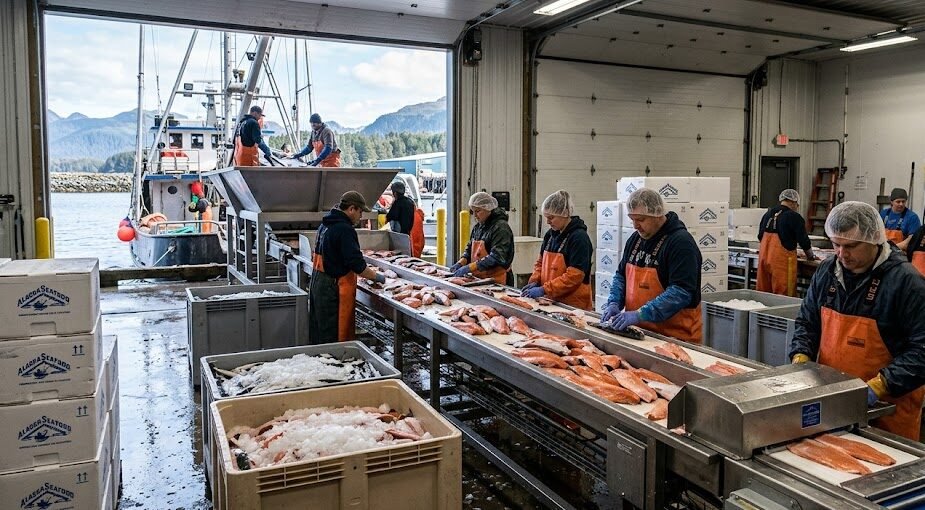
Seafood processing in Alaska encompasses a comprehensive range of activities, from initial catch handling to final product packaging. Processing facilities operate throughout the state, strategically located near fishing grounds to maximize efficiency and product freshness. These operations employ advanced technology alongside time-honored techniques to ensure quality and sustainability standards.
The industry processes multiple species including salmon, pollock, crab, halibut, and herring. Each species requires specialized handling and processing methods tailored to preserve quality and meet specific market demands. Modern Alaska processing plants integrate cold storage, freezing systems, and quality control measures that maintain the exceptional standards Alaska’s seafood is known for globally.
Employment and Community Impact
Alaska’s seafood processing industry provides employment opportunities for approximately 10,000 workers during peak seasons, with many positions available to both residents and seasonal workers from across North America. These jobs span various skill levels, from entry-level processing positions to specialized roles in quality management and equipment operation.
Beyond direct employment, the industry supports:
- Transportation and logistics services
- Equipment manufacturing and maintenance
- Supply chain operations
- Local retail and service sectors
- Community infrastructure development
Small coastal towns depend significantly on processing facility operations, with payroll expenditures flowing directly into local economies and supporting ancillary businesses essential to community stability.
Modern Processing Technologies and Innovation
Alaska’s seafood processing sector continuously adopts cutting-edge technologies to enhance efficiency and product quality. Automated sorting systems, advanced freezing techniques, and real-time quality monitoring have revolutionized traditional processing methods without compromising the quality that distinguishes Alaska seafood.
Innovation extends to sustainability practices, with processors implementing waste reduction programs, byproduct utilization systems, and environmental management protocols. These advancements reflect the industry’s commitment to responsible resource stewardship while maintaining economic viability.
Supply Chain and Distribution Networks
Alaska’s geographic position creates unique logistical considerations that have shaped sophisticated supply chain networks. Processing facilities coordinate timing and distribution to ensure products reach domestic and international markets in optimal condition. Strategic partnerships with transportation providers, distributors, and retailers maintain product integrity from processing facility to consumer.
The industry exports significant volumes to Japan, Europe, and other international markets, establishing Alaska as a trusted supplier of premium seafood products. This global reach diversifies market opportunities and insulates the industry from localized demand fluctuations.
Regulatory Compliance and Quality Standards
Alaska’s seafood processing industry operates under rigorous federal and state regulations ensuring food safety and product integrity. Processing facilities must maintain certifications, undergo regular inspections, and comply with comprehensive documentation requirements. These standards protect consumer health while preserving Alaska’s reputation for excellence.
Hazard Analysis and Critical Control Points (HACCP) protocols, traceability systems, and rigorous sanitation standards are industry fundamentals. Companies investing in compliance infrastructure differentiate themselves in competitive markets and build consumer trust.
Seasonal Dynamics and Workforce Management
Seasonal variations in fish runs necessitate flexible workforce management strategies. Processing facilities scale operations according to harvest volumes, creating concentrated employment periods during peak seasons. This seasonal nature requires effective planning, training programs, and worker retention initiatives to maintain operational capacity.
Many processing companies develop training programs to prepare workers for peak seasons and provide advancement opportunities for committed employees. This approach builds a skilled workforce capable of maintaining quality standards during high-volume periods.
Economic Significance and Future Outlook
The seafood processing industry contributes substantially to Alaska’s gross state product and generates significant tax revenue supporting public services and infrastructure development. This economic foundation strengthens communities and provides stability for long-term planning and investment.
Looking forward, the industry faces both opportunities and challenges. Climate change, evolving consumer preferences, and competitive global markets require continued adaptation and innovation. However, Alaska’s abundant marine resources, strong regulatory framework, and established market reputation position the state favorably for sustained industry growth.
Conclusion
Alaska’s seafood processing industry represents far more than a commercial enterprise—it embodies the state’s maritime heritage, economic strength, and commitment to quality. By transforming natural resources into premium products that feed global populations, the processing sector exemplifies sustainable resource management and community prosperity. As the industry continues evolving, its fundamental importance to Alaska’s economy and identity remains constant, securing its position as a cornerstone of the state’s future.