Understanding Remote Coastal Relocation
Remote coastal relocation represents a transformative lifestyle shift that combines the appeal of seaside living with the flexibility of modern work arrangements. As digital connectivity continues to advance, individuals and families are increasingly exploring opportunities to establish residence in remote coastal communities, far from traditional urban centers. This phenomenon reflects broader changes in how people approach work, community engagement, and quality of life.
The Rise of Remote Work and Coastal Migration
The proliferation of remote work arrangements has fundamentally altered relocation decisions for professionals worldwide. No longer constrained by geographic proximity to corporate offices, workers now possess the autonomy to choose locations based on personal preferences, lifestyle considerations, and environmental factors. Coastal communities, once accessible primarily to retirees or seasonal visitors, have become increasingly viable destinations for active professionals and entrepreneurs seeking alternative living arrangements.
This migration pattern reflects a significant departure from post-industrial urbanization trends. Rather than concentrating in metropolitan hubs, remote workers are dispersing toward communities characterized by natural beauty, lower costs of living, and enhanced quality of life indicators. Coastal regions offer particular appeal through their combination of aesthetic value, recreational opportunities, and genuine community connection.
Economic and Social Benefits for Coastal Communities
Remote coastal relocation generates substantial economic advantages for host communities. Incoming residents and professionals inject capital into local economies through real estate investments, consumer spending, and business development. This economic stimulus supports local service providers, retailers, and hospitality sectors that may have experienced decline during periods of outmigration.
Beyond immediate economic impacts, remote relocation strengthens social fabric and community vitality:
- Population Stabilization: Attracts younger demographics, counteracting aging populations in many rural and coastal regions
- Workforce Expansion: Creates opportunities for local employment in supporting industries and services
- Infrastructure Development: Increased demand stimulates improvements in broadband access, healthcare facilities, and public amenities
- Cultural Revitalization: Brings fresh perspectives and creative energy while maintaining community character
- Educational Enhancement: Growing populations support improved school systems and educational resources
Establishing Meaningful Community Connections
Successful relocation extends beyond securing housing and reliable internet connectivity. Building genuine community relationships requires intentional engagement and cultural sensitivity. Newcomers who actively participate in local institutions, support established businesses, and respect community traditions experience greater integration and satisfaction.
Effective community integration strategies include:
- Participating in local civic organizations and volunteer initiatives
- Attending community events and cultural gatherings
- Supporting local businesses and artisan enterprises
- Contributing professional skills to community development projects
- Engaging respectfully with long-established residents and traditions
Infrastructure and Connectivity Considerations
Remote coastal living depends fundamentally on robust digital infrastructure. Before relocating, prospective residents must thoroughly evaluate broadband availability, internet reliability, and cellular coverage. Many coastal communities have invested significantly in expanding high-speed internet access, recognizing its importance for attracting remote workers and supporting economic development.
Beyond digital infrastructure, successful relocation requires consideration of physical infrastructure including healthcare facilities, transportation networks, utility services, and emergency response capabilities. Communities demonstrating commitment to maintaining and upgrading essential services provide greater security and quality of life for relocated residents.
Environmental Stewardship and Sustainability
Coastal communities frequently prioritize environmental conservation and sustainable development practices. Remote relocators often select these destinations precisely because of their commitment to ecological preservation. Supporting and respecting these environmental values proves essential for maintaining community harmony and protecting the natural resources that attract residents initially.
Sustainable living practices in coastal areas include coastal habitat protection, responsible resource consumption, support for renewable energy initiatives, and participation in environmental stewardship programs. Newcomers who embrace these principles demonstrate genuine commitment to community wellbeing beyond personal benefit.
Challenges and Practical Considerations
Remote coastal relocation, despite its considerable advantages, presents legitimate challenges requiring careful planning. Geographic isolation may limit access to specialized services, cultural amenities, and professional networks available in larger urban centers. Seasonal weather patterns, transportation costs, and housing market fluctuations require thorough consideration.
Prospective relocators should systematically evaluate:
- Cost of living relative to income and financial security
- Healthcare facility availability and specialist access
- Educational options for children and families
- Transportation infrastructure and travel accessibility
- Housing market stability and long-term property value trends
- Time zone considerations for professional obligations
- Social and cultural alignment with community values
Planning Your Remote Coastal Relocation
Successful relocation requires comprehensive planning extending beyond initial site visits. Extended stays in prospective communities provide valuable insight into seasonal variations, community dynamics, and practical living conditions. Engaging with current residents, exploring neighborhoods thoroughly, and researching local services ensures informed decision-making.
Developing a structured relocation timeline, establishing financial reserves, securing employment stability, and maintaining flexibility throughout the transition process strengthens outcomes. Building professional networks within the destination community, identifying service providers in advance, and creating support systems facilitate smoother integration and long-term satisfaction.
The Future of Coastal Communities
Remote coastal relocation represents a significant demographic and economic shift reshaping rural and coastal America. As digital infrastructure continues expanding and remote work normalizes, these communities will likely experience continued population growth and economic development. Communities that thoughtfully manage growth while preserving character, protecting environment, and fostering inclusive community development position themselves for sustainable prosperity.
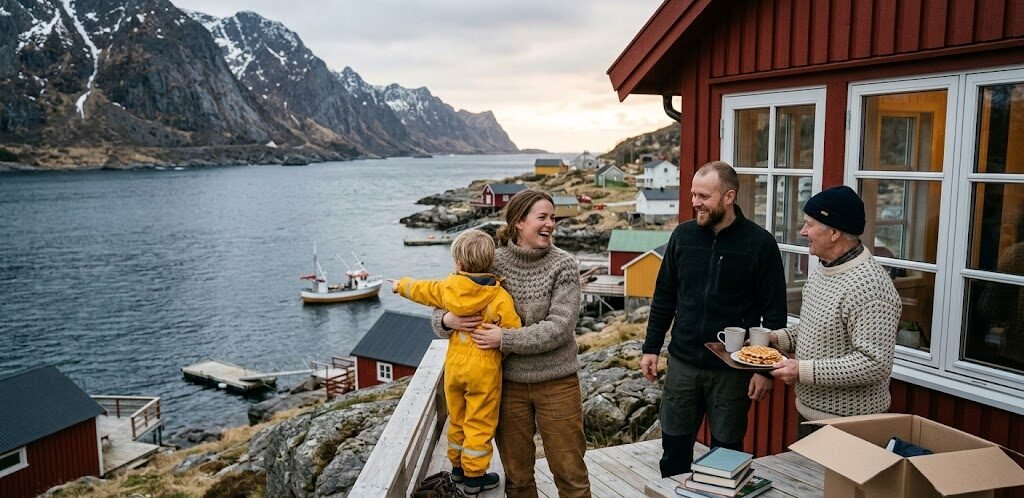
The intersection of cold waters and warm communities creates unique opportunities for individuals seeking meaningful lifestyle change while contributing to community revitalization. Through intentional engagement, environmental stewardship, and respect for established community values, remote relocators can build fulfilling lives while supporting the economic and social vitality of their adopted homes.