Introduction: The Imperative for Sustainable Seafood Production
The global fishing industry faces unprecedented pressure to balance the demand for seafood with the urgent need for environmental sustainability. As world population continues to grow, projections indicate that seafood consumption will increase by approximately 50% by 2050. However, traditional fishing methods have contributed significantly to ocean degradation, overfishing, and ecosystem collapse. Modern technology presents a transformative solution, enabling the industry to meet global demand while preserving marine environments for future generations.
Understanding the Current Challenges in Fishing
Traditional fishing practices have created substantial environmental challenges. Overfishing has depleted fish stocks across the globe, with approximately 90% of major fish species now fully exploited or overexploited. Additionally, conventional methods such as bottom trawling damage critical seafloor habitats and generate significant bycatch—the unintended capture of non-target species that often results in waste and ecosystem disruption.
The economic implications are equally concerning. As fish stocks decline, fishing communities face reduced catches and increased operational costs. Without intervention, many fishing-dependent regions will experience economic hardship and food security challenges.
Innovative Technologies Transforming the Fishing Industry
Precision Fishing with Artificial Intelligence and Data Analytics
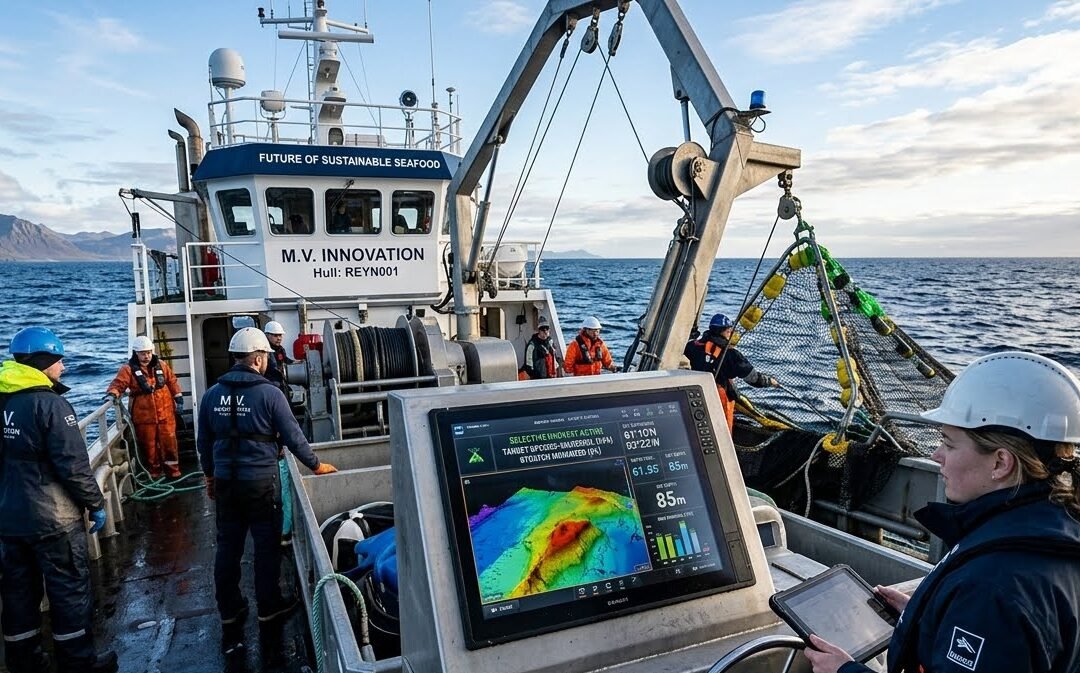
Artificial intelligence and advanced data analytics are revolutionizing how fishing operations identify and target fish populations. Machine learning algorithms analyze oceanographic data, weather patterns, and historical catch information to predict optimal fishing locations and times. This precision approach maximizes efficiency while minimizing the area that requires fishing effort.
Real-time monitoring systems equipped with AI can differentiate between target and non-target species, enabling fishermen to avoid bycatch before it occurs. These systems process visual data from underwater cameras and sonar technology, providing immediate feedback to fishing vessel crews.
Electronic Monitoring and Blockchain Traceability
Electronic monitoring systems installed on fishing vessels create comprehensive records of all fishing activities. High-resolution cameras, GPS tracking, and catch documentation systems ensure complete transparency throughout the supply chain. This data enables regulatory compliance and helps prevent illegal, unreported, and unregulated (IUU) fishing.
Blockchain technology complements these monitoring systems by creating immutable records of seafood origin and handling. Consumers can trace individual fish from ocean to table, verifying sustainable practices and authenticity. This transparency builds consumer confidence and creates market advantages for sustainably caught seafood.
Selective Fishing Technologies
Advanced fishing equipment design significantly reduces bycatch and habitat damage. Selective nets incorporating LED lighting, escape panels, and species-specific design features allow non-target species to escape while capturing intended species. These technological innovations maintain catch quality while minimizing environmental impact.
Acoustic deterrent systems and separator technology further enhance selectivity. These tools gently guide unwanted species away from fishing zones without causing harm, representing a substantial improvement over traditional indiscriminate methods.
Autonomous Vessels and Remote Operations
Autonomous fishing vessels equipped with sophisticated sensor systems and remote operation capabilities offer multiple advantages. These vessels optimize fuel efficiency, reduce crew safety risks, and enable precise operational control. Remote monitoring centers can oversee multiple vessels simultaneously, ensuring compliance with sustainability regulations and maximizing operational efficiency.
Aquaculture Innovations and Land-Based Solutions
Technological advances extend beyond wild-capture fisheries to aquaculture systems. Recirculating aquaculture systems (RAS) utilize advanced water treatment, temperature control, and waste management technologies to produce fish in controlled environments. These systems dramatically reduce disease transmission, eliminate bycatch entirely, and minimize environmental footprint compared to traditional ocean net pens.
Genetic research enables the development of faster-growing, disease-resistant fish species adapted to specific environments. Selective breeding programs create aquaculture stock that produces higher yields while requiring fewer inputs, contributing to overall sustainability goals.
Regulatory Framework and Industry Standards
Technology implementation is most effective when supported by robust regulatory frameworks. International organizations increasingly establish standards requiring electronic monitoring, catch documentation, and traceability systems. Regional fisheries management organizations utilize technology-derived data to set science-based catch limits and enforce regulations more effectively.
Certification programs now incorporate technological verification of sustainable practices. These certifications provide market incentives for technology adoption, creating a competitive advantage for progressive fishing operations.
Economic Benefits of Sustainable Technology
While initial technology investments require significant capital, long-term economic benefits justify these expenditures. Improved catch efficiency reduces operational costs and fuel consumption. Reduced bycatch increases product quality and marketability. Premium pricing for certified sustainable seafood creates substantial revenue opportunities for early-adopting operations.
Technology-enabled fishing operations demonstrate improved profitability despite operating under stricter sustainability constraints. This economic case encourages broader industry adoption and supports the transition toward sustainable practices across all fishing sectors.
Challenges and Implementation Barriers
Despite considerable promise, significant barriers to technology adoption remain. Small-scale and artisanal fishing operations face substantial financial constraints preventing technology implementation. Developing nations often lack infrastructure and technical expertise to support advanced monitoring systems.
Additionally, technology resistance persists among traditional fishing communities concerned about job displacement and operational changes. Comprehensive training programs and transition support mechanisms are essential for facilitating acceptance and ensuring equitable implementation.
Future Outlook and Emerging Technologies
The trajectory of technology development in sustainable fishing continues upward. Emerging technologies including Internet of Things (IoT) sensors, advanced robotics, and augmented reality applications promise further improvements in precision, efficiency, and sustainability monitoring.
Research into alternative protein sources, including plant-based seafood alternatives and cultured fish products, may reduce pressure on wild fish stocks. These complementary approaches create a comprehensive strategy for meeting global protein demands while preserving marine ecosystems.
Conclusion: Building a Sustainable Seafood Future
Technology represents the most promising pathway toward sustainable seafood production capable of meeting global demand while protecting marine environments. Precision fishing systems, comprehensive monitoring, selective equipment, and autonomous operations collectively demonstrate that environmental stewardship and economic viability are not mutually exclusive.
Success requires coordinated effort across government, industry, and conservation sectors.