The romantic vision of harbor life, colorful boats bobbing at dawn, seagulls calling overhead, and the promise of the freshest catch for dinner draws many to consider themselves hooked on harbor living. But beyond the Instagram-worthy sunsets and quaint main streets lies a complex, demanding lifestyle that transforms newcomers in unexpected ways. Moving to a fishing town means embracing a world where the ocean dictates daily rhythms, community bonds run deeper than blood, and resilience isn’t just a virtue but a survival skill.
The Rhythms of Harbor Life
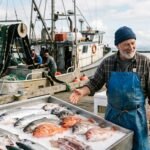
Hooked on harbor living operates on nature’s schedule, not yours. In communities like McClellanville, South Carolina, where shrimp boats still dominate the working waterfront, residents rise before dawn when the tide permits, regardless of weekends or holidays. Ricky Russ, a lifelong waterman with “the unruly white beard and leathery forearms of a man who has spent most of his life on boats,” embodies this dedication: “I do shrimping, oystering, crabbing, clamming, anything on the water. I’m not much for being up on the hill.”
The “hill” represents dry land, anything above sea level. This inversion of typical priorities, where water matters more than land, defines hooked-on-harbor communities. Spring brings a soft-shell crab season requiring 24/7 monitoring in converted greenhouses. Summer means tourist crowds and charter boat schedules. Fall brings hurricane watches and winterizing boats. Every season demands specific knowledge passed through generations.
The Economics of Authentic Harbor Towns
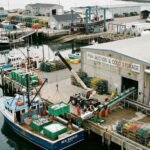
Unlike tourist destinations where fishing provides ambiance, authentic harbor communities maintain commercial fishing as their economic backbone. These aren’t places where locals sell seashells to visitors; they’re working waterfronts where the smell of diesel fuel mingles with salt air, and the success of the daily catch determines community prosperity.
This creates a dual economy that newcomers must navigate. Fishing families experience income volatility that land-based workers rarely encounter: seasonality, weather disruptions, fluctuating market prices, and regulatory changes can transform prosperity into hardship overnight. The Brazilian Seguro-Defeso program provides unemployment insurance during closed fishing seasons, recognizing that being hooked on harbor living requires social safety nets unavailable in typical employment.
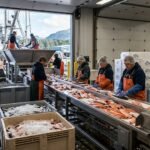
Yet this economic reality fosters remarkable resourcefulness. In McClellanville, Ricky Russ adjusts his work with the seasons. He pulls traps in the morning. During the day, he works in greenhouse operations. He also helps with boat maintenance throughout the year. Hooked on Harbor residents often rely on more than one job. They do this out of necessity, not choice. This approach helps build strong local economies. These towns handle recessions better than places that depend only on tourism.
Community: The Harbor’s True Currency
Perhaps the most profound aspect of being hooked on harbor living is the community fabric woven through shared hardship. Research on coastal fishing communities reveals that publicly accessible fishing sites function as crucial social infrastructure places where “family members of all ages” gather, where “new relationships” form, and where “bonds and support networks” strengthen through shared activity.
When you move to a fishing town, you’re not simply changing addresses; you’re entering a web of interdependence. Fishermen share knowledge about secret spots not with tourists but with trusted neighbors. During storms, the community mobilizes to secure boats regardless of ownership. When someone faces a medical crisis or equipment failure, informal lending networks activate immediately because tomorrow’s survival depends on today’s mutual aid.
This creates what researchers call “social capital,” the trust and reciprocity that enables communities to solve problems collectively. Hooked on harbor towns possess this in abundance, but it requires participation. Newcomers who remain aloof, who view locals as colorful background characters, who complain about early morning boat noise or the smell of bait, find themselves isolated regardless of their housing investment.
The Challenges Nobody Photographs
Hooked on harbor living demands accepting realities that tourism brochures omit. Climate change intensifies weather unpredictability, rising seas threaten waterfront properties, warming waters shift fish populations, and intensified storms disrupt livelihoods for weeks. Small-scale fisheries face competition from industrial trawlers that “catch every species of fish,” destroying marine ecosystems that sustain the fishers who depend upon.
Healthcare access presents ongoing challenges. Specialized medical care requires travel to distant cities, a serious concern in emergencies. Internet connectivity remains spotty in rural coastal areas, complicating remote work possibilities that might otherwise supplement fishing income. Educational opportunities for children may be limited, with schools struggling to retain teachers and offer advanced courses.
The isolation that preserves the hooked-on-harbor character also creates vulnerability. When the sole grocery store closes for winter, or the single gas station runs out of fuel before the supply truck arrives, residents must improvise. Self-reliance isn’t optional; it’s essential infrastructure.
Transformation: Becoming Harbor People
Those who successfully transition to hooked on harbor living undergo subtle but profound changes. In a world where a mechanical failure at sea can become life-threatening, where economic survival depends on fair dealing, character matters more than credentials.
Most significantly, they recognize that hooked on harbor living isn’t about escaping modernity but about anchoring to something timeless. While technology enables remote work and online shopping, the fundamental rhythms, tides, seasons, and weather remain unchanged from generations past. This connection to enduring cycles provides psychological ballast that many urban transplants desperately need.
Is Harbor Life Right for You?
Moving to a fishing town means choosing substance over convenience, community over anonymity, and authenticity over aesthetics. The hooked on harbor lifestyle rewards those who participate fully, who learn local knowledge, who contribute to mutual aid networks, and who accept that the ocean’s priorities supersede their own.
If you seek a slower pace where “the people at the pier are friendly,” where you can “meet a lot of people, talking to them,” and where your daily bread might literally come from your neighbor’s boat, harbor life awaits. But come prepared to work, to adapt, and to embrace a world where the water always wins if you’re fortunate enough to be hooked on harbor living.
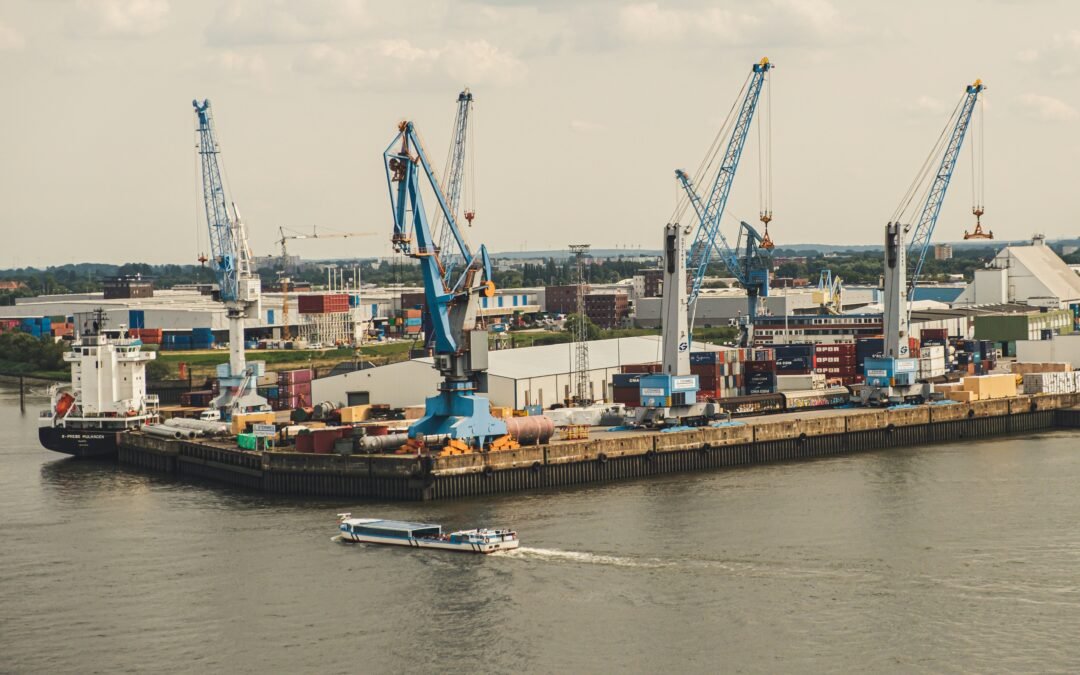
Photo by Moritz Kindler on Unsplash