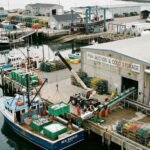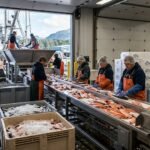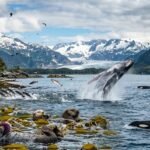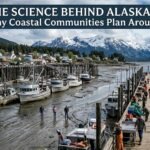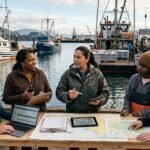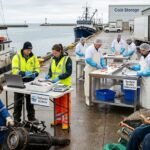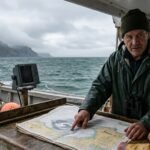
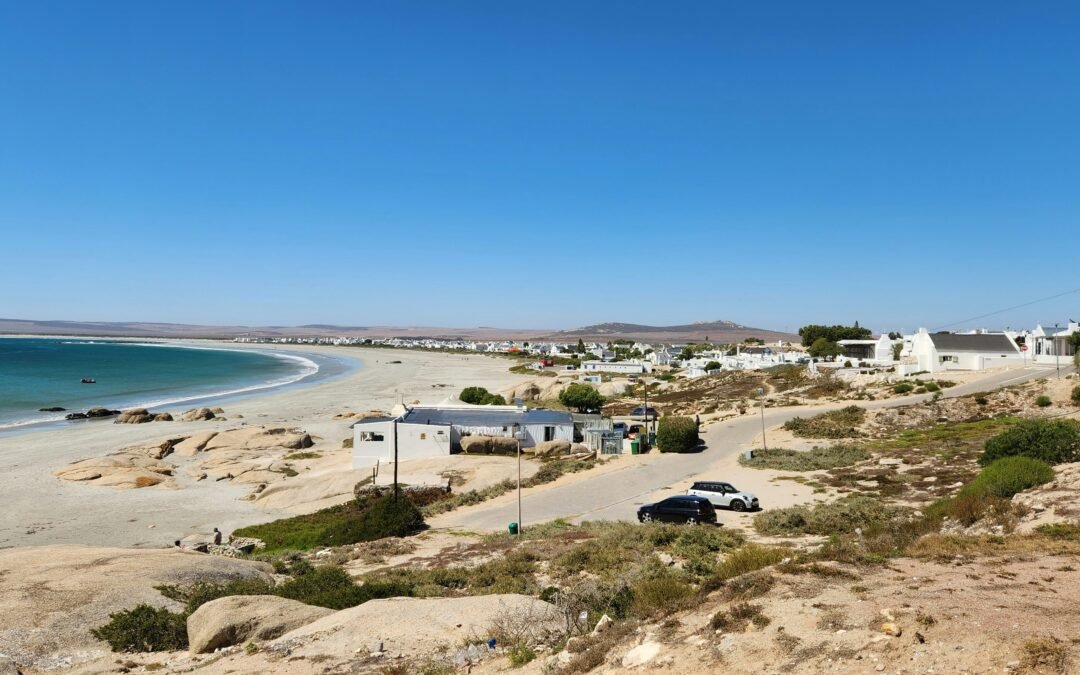
A quiet revolution is happening along America’s coastlines. Anglers are relocating to remote fishing villages and harbor towns in unprecedented numbers, transforming seasonal vacation spots into year-round homes. This migration, fueled by remote work flexibility, a post-pandemic reassessment of priorities, and the timeless call of the water, represents one of the most significant demographic shifts in coastal America. From the rocky shores of Maine to the marshlands of South Carolina, anglers are relocating not just for better fishing, but for fundamentally different ways of living.
The Remote Work Catalyst
The primary driver behind anglers’ relocation is the normalization of remote work. Professionals who once commuted to urban offices now find themselves untethered from geographic constraints. A software developer in Boston, a marketing director in Chicago, or a financial analyst in New York can now conduct meetings from a home office overlooking a working harbor, then step onto a boat within minutes of closing their laptop.
This flexibility has democratized access to previously impractical locations. Places like Oriental, North Carolina, known as “the Sailing Capital of North Carolina” with more registered boats than permanent residents, have become viable year-round homes rather than just retirement dreams. Anglers are relocating here because they can maintain professional careers while living in communities where boating isn’t recreation but lifestyle.
The Quest for Authenticity
Beyond practical considerations, anglers are relocating in search of authenticity that suburban and urban environments no longer provide. In an era of synthetic experiences and digital connectivity, remote coastal communities offer something increasingly rare: a genuine relationship with nature and community.
Consider Stonington, Maine, where lobster boats still dictate daily rhythms. As one visitor noted, “Evening brings quiet harborside walks and the slap of hulls against tide. Tour vans are rare; pickup trucks and skiffs make the traffic, and conversation follows weather reports more than itineraries.” Anglers are relocating to places where the economy still depends on what the ocean provides, where skills matter more than credentials, and where success is measured by the catch rather than the corner office.
This authenticity extends to social relationships. In McClellanville, South Carolina, a town where “everybody I’ve met so far has been good people, they don’t lie, they don’t judge,” newcomers discover communities where mutual aid isn’t charity but a survival strategy. When someone’s boat needs repair or a medical emergency strikes, neighbors mobilize immediately because tomorrow’s survival depends on today’s reciprocity. Anglers are relocating specifically for this depth of community connection unavailable in anonymous urban environments.
Economic Accessibility
Paradoxically, anglers are relocating to remote coastal areas partly for economic reasons. While premium coastal markets like Nantucket or Malibu remain inaccessible, working waterfront towns offer surprising affordability. In Apalachicola, Florida, once the third-largest port on the Gulf of Mexico, historic homes and waterfront properties remain accessible to middle-income buyers priced out of major metro areas.
The math often works unexpectedly in favor of relocation. A professional earning $80,000 annually in Boston, where median home prices exceed $700,000, might find comparable properties in coastal Maine or the Outer Banks for half that price. Lower cost of living combined with eliminated commuting costs and reduced discretionary spending (fewer expensive restaurants, less entertainment requiring tickets) can actually improve financial positioning despite potential income reduction.
Furthermore, anglers are relocating with entrepreneurial intentions. Remote coastal communities present business opportunities ranging from charter fishing operations to tackle shops, from vacation rentals to fishing guide services. The combination of professional remote income and supplemental local business revenue creates resilient economic foundations unavailable in single-employer urban scenarios.
The Fishing Advantage
Of course, the primary attraction remains the fishing itself. Anglers are relocating to position themselves where world-class fishing isn’t a vacation but a daily possibility. Whether it’s the striped bass runs of the Northeast, redfish in Louisiana’s marshes, or salmon in Pacific Northwest rivers, proximity transforms occasional angling into a lifestyle. This proximity yields qualitative improvements in skill and satisfaction. Local knowledge understanding tide tables, seasonal patterns, and secret spots develops through daily immersion rather than annual research. Anglers are relocating because they recognize that a decade of weekend fishing cannot equal a year of daily practice. The fisherman who sees the water every morning develops intuition unavailable to the occasional visitor.
Moreover, relocation enables participation in conservation and management. Permanent residents can join local watershed associations, attend fisheries management meetings, and contribute to sustainable practices in ways that tourists cannot. Anglers are relocating partially to protect the resources they love through direct involvement.
The Challenges of Harbor Living
Anglers are relocating with clear eyes about the challenges. Remote coastal communities often lack specialized healthcare, requiring travel for significant medical needs. Internet connectivity, while improving, remains inconsistent in rural areas, problematic for remote workers dependent on reliable connectivity. Educational options for children may be limited, with small schools struggling to offer advanced courses or extracurricular variety.
The weather presents ongoing challenges. Coastal communities experience storms, flooding, and isolation that urban residents rarely confront. The same proximity to water that enables fishing also creates vulnerability. Anglers are relocating, understanding that they’re exchanging convenience for character, security for freedom.
Is This Migration Permanent?
The sustainability of anglers relocating to remote coasts depends on several factors. Remote work policies may evolve, potentially requiring occasional office presence that makes remote locations impractical. Climate change threatens coastal infrastructure, potentially rendering some communities uninhabitable or uninsurable. Economic development may transform working waterfronts into tourist destinations, thereby destroying the authenticity that initially attracted migrants.
However, the fundamental drivers’ desire for authenticity, connection to nature, community belonging, and quality fishing appear durable. Anglers are relocating not for temporary escape but for permanent transformation of their daily experience. They seek not better vacations but better lives.
Conclusion
Anglers are relocating to remote coastal communities because they’ve recognized that life’s best moments shouldn’t be confined to two-week vacations. By combining remote work capabilities with lower costs of living, authentic communities, and world-class fishing access, they’re pioneering a new model of distributed living that prioritizes experience over accumulation. Whether this migration represents a temporary pandemic response or permanent demographic shift remains unclear, but for those who’ve made the move, the question seems settled: real living beats real estate speculation, and harbor life outperforms high-rise existence. The water calls, and increasingly, anglers are relocating to answer.