
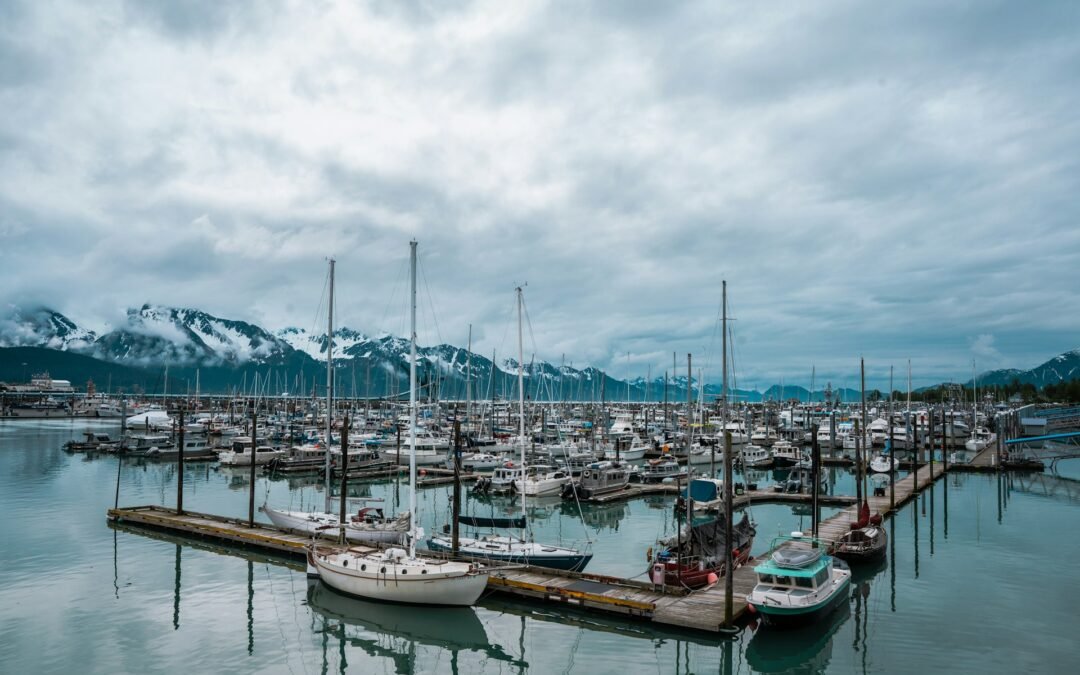
Seasonal harbor towns have a rhythm all their own, one that shifts dramatically from icy stillness to bustling waterfront life. For newcomers, adapting to this cycle can feel like stepping into two entirely different worlds. Winter brings frozen docks, quiet streets, and a close-knit local culture shaped by resilience and routine. Summer, by contrast, transforms these towns into vibrant hubs filled with tourists, boat traffic, festivals, and long sunlit days by the water. Transplants drawn by scenic beauty, slower living, or remote work opportunities often arrive unprepared for how deeply the seasons influence daily life. From learning to navigate harsh winters to embracing the sudden energy of peak tourist months, adjusting requires flexibility, patience, and openness to local traditions. “Ice to water” is more than a change in scenery; it’s a way of life that reshapes social habits, work schedules, and personal identity for those who choose to call these harbor towns home.
Understanding the Seasonal Shift
The most immediate challenge for transplants is grasping how extreme the seasonal contrast can be. Winter months often slow life to a crawl, with many businesses operating on limited hours or closing entirely. Locals rely on routines built around weather conditions, daylight hours, and practical necessities. Summer, however, arrives quickly and intensely, bringing an influx of visitors, seasonal workers, and economic activity. For newcomers, adjusting expectations both socially and professionally is key to settling in successfully.
Building Community in the Off-Season
Winter plays a crucial role in forming genuine connections. With fewer people around, residents lean on one another, creating strong social bonds. Transplants who engage during this quieter period, attending local events, volunteering, or simply frequenting the same café,s often integrate more deeply than those who only surface during summer. Trust and belonging are earned through presence, not convenience, and winter is when harbor towns reveal their true character.
Navigating Work and Lifestyle Changes
Employment in harbor towns often follows seasonal patterns. Tourism, fishing, hospitality, and marine services dominate summer, while winter may require alternative income streams or remote work arrangements. Many transplants adapt by diversifying skills, embracing freelance opportunities, or planning finances carefully around off-season lulls. This flexibility becomes a defining trait, shaping a lifestyle that values adaptability over predictability.
Embracing the Natural Environment
Living in a harbor town means forming a close relationship with nature. Winters demand proper clothing, weather awareness, and mental resilience, while summers invite outdoor living, boating, and waterfront gatherings. Transplants who thrive are those who stop resisting the elements and instead learn to work with them, finding beauty in frozen harbors as well as open water.
Balancing Tourism and Local Identity
Summer tourism sustains many harbor towns but can strain infrastructure and test patience. New residents often sit at the crossroads, benefiting from the economic boost while adjusting to crowded spaces and temporary populations. Understanding this balance helps transplants develop empathy for long-time locals and appreciate the delicate relationship between livelihood and livability.
Conclusion
Adapting from ice to water is not just about surviving seasonal change; it’s about embracing transformation. For transplants, harbor towns offer a rare opportunity to live within nature’s cycles rather than against them. Those who learn to value quiet winters, energetic summers, and the people who endure both discover a lifestyle rooted in resilience and rhythm. Over time, the contrast that once felt overwhelming becomes the very reason these towns feel like home.
Photo by Josh McCausland on Unsplash