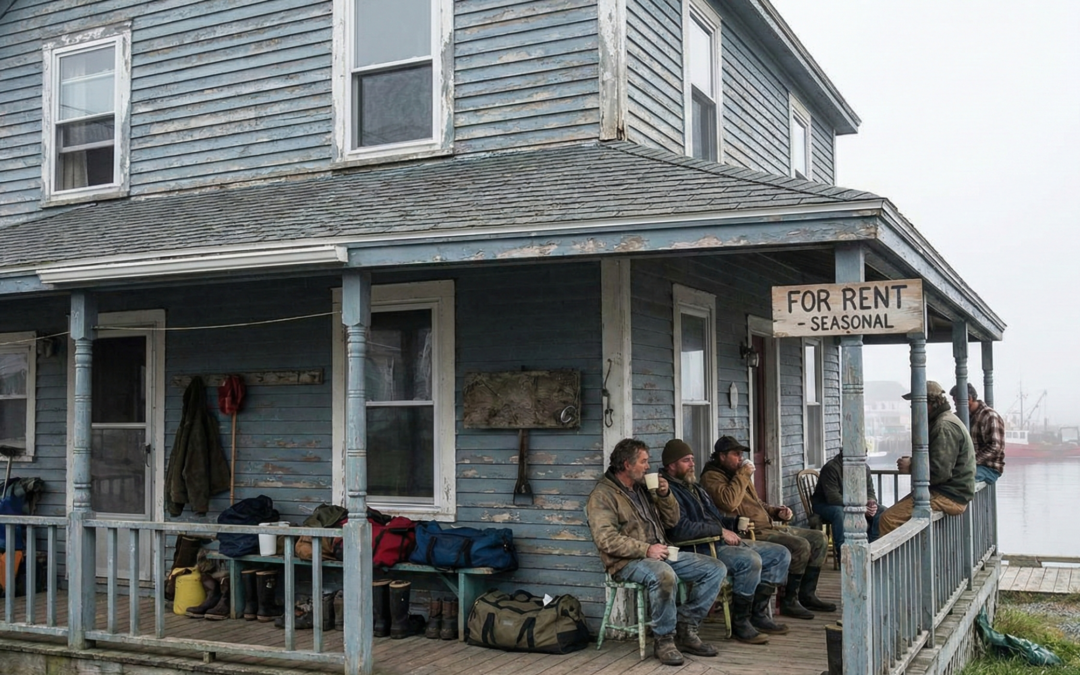
The fishing industry relies heavily on seasonal workforce fluctuations, with crew members often requiring temporary accommodation during peak fishing seasons. Seasonal rentals have emerged as a practical and cost-effective solution for fishing operations looking to house their temporary workforce efficiently. These specialized rental arrangements address the unique housing needs of individuals working in the maritime and fishing sectors.
Why Seasonal Rentals Matter in the Fishing Industry
Commercial fishing operations experience significant variations in staffing needs throughout the year. During peak seasons, companies must quickly secure housing for additional crew members without making long-term financial commitments. Seasonal rentals provide flexibility that traditional housing arrangements cannot offer, allowing fishing operations to scale their workforce up or down as market conditions and catch volumes dictate.
The proximity of accommodations to docking facilities is particularly important for fishing crew members who must maintain irregular schedules and respond quickly to weather patterns and sea conditions. Seasonal rentals located near ports and harbors minimize commute times and ensure crew members are available when needed.
Key Benefits of Seasonal Rental Arrangements
- Cost Efficiency: Seasonal rentals eliminate the need for permanent housing infrastructure, reducing overhead costs for fishing operations and allowing resources to be allocated to vessel maintenance and equipment upgrades.
- Flexibility: Companies can adjust housing capacity based on actual seasonal demands without being locked into long-term lease agreements or property ownership obligations.
- Convenience: Pre-furnished rental units eliminate the need for crew members to transport personal belongings or invest in furniture for temporary assignments.
- Community Infrastructure: Established seasonal rental properties often include shared facilities such as laundry services, communal kitchens, and recreational areas that support crew welfare.
- Rapid Deployment: Ready-to-occupy seasonal rentals enable fishing companies to mobilize their workforce quickly during peak seasons without delays caused by property setup.
Types of Seasonal Rental Properties
Seasonal rental accommodations for fishing crew members vary widely in size and amenities. Common options include:
Dormitory-Style Facilities: These accommodate multiple crew members in shared living spaces with communal amenities, offering economical solutions for large seasonal workforces. This arrangement promotes camaraderie among crew members and simplifies property management for operators.
Studio and One-Bedroom Units: Smaller rental properties provide crew members with private or semi-private accommodations suitable for individuals or small groups seeking greater privacy while maintaining affordability.
Multi-Unit Complexes: Larger rental developments specifically designed for seasonal workers offer comprehensive amenities including fitness facilities, dining areas, and recreational spaces that enhance quality of life during extended work seasons.
Location Considerations for Fishing Crew Rentals
The geographic location of seasonal rentals significantly impacts their effectiveness for fishing operations. Properties situated within close proximity to commercial harbors, fishing docks, and processing facilities offer substantial advantages. Convenient access to transportation networks enables crew members to reach their workplaces efficiently, while proximity to essential services such as grocery stores, medical facilities, and financial institutions supports crew member well-being.
Coastal communities with established fishing industries often maintain clusters of seasonal rental properties designed specifically to accommodate transient workers. These locations typically feature infrastructure and services tailored to the unique needs of maritime workers, including waterfront access and industry-related amenities.
Financial Aspects and Rental Agreements
Seasonal rental agreements for fishing crew members typically reflect short-term arrangements ranging from a few weeks to several months. Rental rates are often structured on weekly or monthly bases, with prices fluctuating based on seasonal demand, property quality, and local market conditions.
Many fishing companies negotiate bulk rental arrangements with property owners, securing discounted rates in exchange for committing to multiple units or extended seasonal bookings. These agreements often include provisions for utility costs, maintenance, and property access that align with fishing operations’ specific requirements.
Amenities and Living Standards
Quality seasonal rental properties for fishing crew members typically provide essential amenities that support comfortable short-term living arrangements. Standard features include furnished bedrooms, full bathroom facilities, equipped kitchens, and climate control systems. Many facilities offer additional amenities such as:
- High-speed internet connectivity for communication with families and shore-based operations
- Laundry facilities for frequent clothing and gear cleaning
- Secure storage areas for personal belongings and fishing equipment
- Common areas for social interaction and recreational activities
- On-site parking suitable for crew member vehicles
- 24-hour maintenance and security services
Regulatory Compliance and Safety Standards
Seasonal rental properties used for fishing crew accommodations must comply with applicable housing codes, safety regulations, and labor laws. Property owners and fishing companies share responsibility for ensuring that accommodations meet health and safety standards, including proper ventilation, fire safety equipment, and emergency evacuation procedures.
Compliance with occupancy limits, sanitation requirements, and accessibility standards protects crew member safety while minimizing legal liability for fishing operations. Regular inspections and maintenance protocols ensure seasonal rental properties maintain acceptable living conditions throughout the season.
Challenges and Solutions in Seasonal Rental Management
Managing seasonal rental properties presents unique challenges related to high turnover, varying occupancy rates, and maintenance during off-seasons. Property owners can address these challenges through implementing comprehensive management systems, maintaining preventative maintenance schedules, and establishing clear rental policies.
Building strong relationships with fishing companies ensures consistent bookings and enables property owners to plan effectively for seasonal demand. Clear communication channels and responsive customer service contribute to positive rental experiences and encourage repeat bookings across multiple seasons.
Future Trends in Seasonal Fishing Crew Accommodations
The seasonal rental market for fishing crew members continues to evolve with technological advancements and changing industry standards. Increasing emphasis on worker welfare and safety is driving improvements in accommodation quality and amenity offerings.