
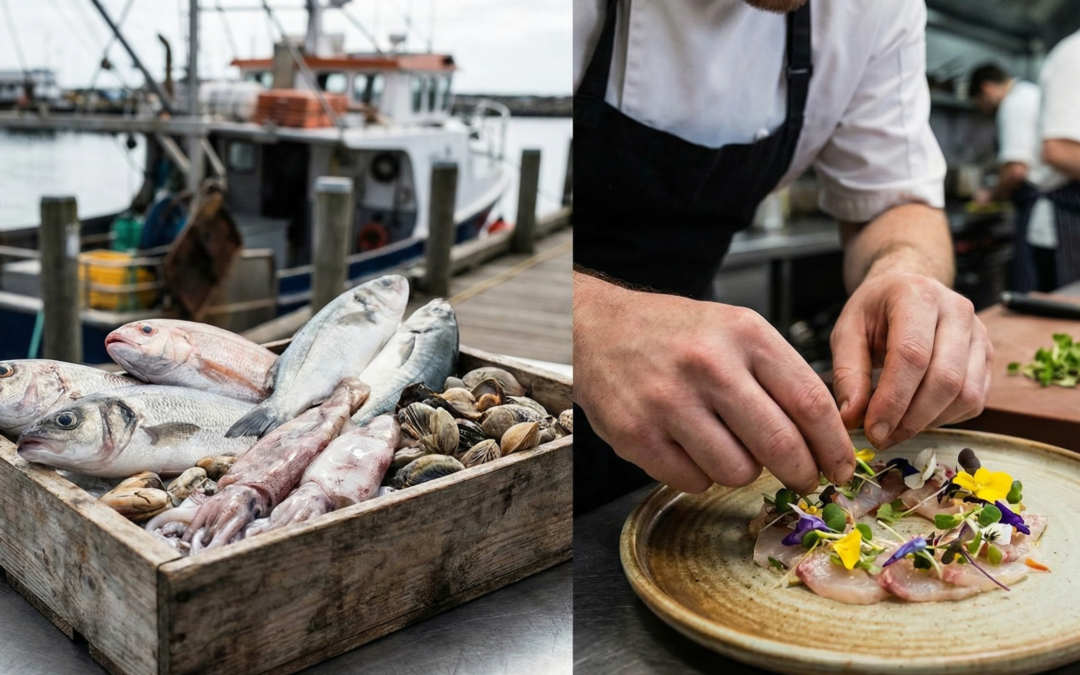
Professional seafood preparation represents a comprehensive discipline that encompasses every stage of the journey from ocean to dining table. This intricate process demands technical expertise, rigorous adherence to food safety standards, and a profound respect for sustainable sourcing practices. Whether managing a fine dining establishment or operating a commercial fishing operation, understanding the complete seafood supply chain is essential for delivering exceptional quality and maintaining consumer trust.
The Foundation: Proper Bait and Catch Selection
The foundation of professional seafood preparation begins with understanding catch quality and bait selection. Commercial fishing operations must employ experienced professionals who can identify premium specimens and utilize appropriate bait techniques that yield the highest quality seafood. The selection process determines not only the final product’s flavor and texture but also its nutritional profile and market viability.
Professional fishermen recognize that different species require tailored approaches to bait selection and handling. Proper catch techniques minimize stress on the fish, which directly impacts meat quality. This foundational stage establishes the baseline for all subsequent preparation processes.
Essential Safety and Sanitation Protocols
Safety and sanitation represent non-negotiable components of professional seafood preparation. All personnel handling seafood must adhere to strict guidelines established by food safety regulatory bodies, including:
- Proper temperature maintenance throughout the supply chain
- Regular equipment sanitization and inspection
- Comprehensive training in pathogen recognition and prevention
- Documented traceability systems for all products
- Personal hygiene standards and health screening protocols
These protocols protect both consumer health and business reputation. Professional establishments maintain detailed records of all seafood sources, handling procedures, and storage conditions to ensure complete transparency and accountability.
Cleaning and Initial Processing Techniques
Once seafood arrives at the preparation facility, professional cleaning and initial processing require specialized knowledge and equipment. Experienced seafood professionals understand the anatomical differences between species and employ species-specific techniques that preserve quality while ensuring complete sanitation.
Initial processing includes scaling, gutting, and filleting procedures performed by trained personnel using properly maintained equipment. The goal is to minimize handling stress on the product while removing unwanted components. Professional facilities invest in commercial-grade equipment and staff training to ensure consistent, high-quality results.
Advanced Filleting and Butchery Skills
Skilled seafood butchery separates professional operations from amateur efforts. Expert filleters understand fish anatomy intimately and can maximize yield while minimizing waste. Each cut requires precision, as improper technique can compromise product appearance, texture, and safety.
Professional seafood preparation facilities employ trained butchers who specialize in various species. These specialists understand the unique characteristics of each type of seafood, including bone structure, fat distribution, and muscle composition. This expertise directly translates to superior product quality and customer satisfaction.
Specialized Preparation Methods
Different seafood varieties demand specialized preparation approaches based on their intended culinary applications. Professional preparation facilities maintain expertise in multiple techniques:
- Raw Preparation: Specialized techniques for sushi-grade and crudo applications, requiring the highest quality standards and additional safety measures
- Smoking and Curing: Time-honored methods that require precise temperature control and ingredient knowledge
- Freezing and Preservation: Advanced techniques that maintain nutritional value and quality during extended storage
- Marinades and Flavor Infusions: Customized approaches that enhance seafood characteristics without compromising integrity
Each method demands specific knowledge and equipment to achieve optimal results consistently.
Temperature Management and Storage Excellence
Maintaining proper temperatures throughout the preparation and storage process is fundamental to seafood quality and safety. Professional operations implement sophisticated refrigeration systems with precise temperature monitoring and backup mechanisms. Cold chain integrity from catch to consumer represents a critical success factor in seafood operations.
Modern professional facilities employ multiple storage systems optimized for different seafood types and intended timeframes. Live seafood storage requires specialized tanks with appropriate salinity and oxygen levels, while processed seafood demands separate, dedicated refrigeration units maintaining temperatures between 32-38°F for optimal preservation.
Sustainability and Responsible Sourcing
Professional seafood preparation now includes a commitment to sustainable sourcing practices. Responsible operations partner with certified suppliers who adhere to sustainable fishing practices and regulatory compliance. This approach ensures long-term resource availability while meeting consumer expectations for environmentally conscious products.
Professional facilities maintain documentation of their sourcing practices and can provide complete transparency regarding product origins and fishing methods employed. This commitment to sustainability represents both an ethical responsibility and a competitive advantage in today’s market.
Quality Control and Final Inspection
Comprehensive quality control systems distinguish professional operations from lesser competitors. Before seafood reaches the consumer, it undergoes rigorous inspection procedures that verify appearance, aroma, texture, and temperature compliance. Professional establishments maintain detailed quality documentation and implement corrective action procedures when standards are not met.
Final inspection ensures that only products meeting strict quality parameters leave the facility. This commitment to excellence protects consumer safety while building brand reputation and customer loyalty.
Professional Development and Certification
The seafood preparation industry increasingly requires formal training and certification. Professional establishments invest in ongoing employee education covering food safety, specialized techniques, and emerging best practices. Many regions offer formal certifications in seafood handling and preparation that document professional competency and commitment to quality.
Continuous professional development ensures that seafood preparation teams remain current with evolving safety standards, sustainability practices, and culinary techniques. This investment in personnel directly correlates with superior product quality and operational excellence.
Conclusion
Professional seafood preparation represents a comprehensive discipline requiring technical expertise, unwavering commitment to safety standards, and respect for both the product and the consumer. From initial catch selection through final presentation, every step demands specialized knowledge and meticulous attention to detail. By understanding and implementing these professional standards, seafood operations can deliver exceptional products that satisfy consumer expectations while maintaining the highest standards of quality, safety, and sustainability.