
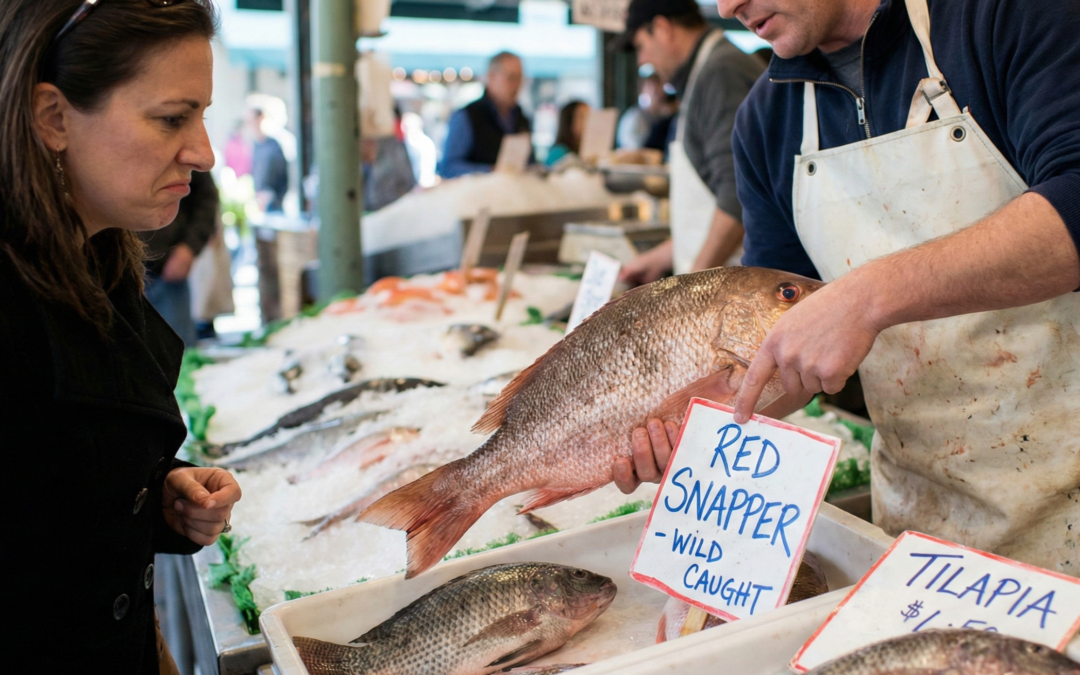
Seafood fraud represents one of the most pervasive and troubling issues in the global food supply chain. The practice of mislabeling seafood species—deliberately or inadvertently—deceives millions of consumers worldwide, undermining trust in retailers and restaurants alike. This deceptive practice not only affects consumer wallets but also raises significant concerns about food safety, environmental sustainability, and legal compliance.
The problem extends far beyond simple economic loss. When consumers purchase what they believe to be premium Atlantic salmon only to receive farm-raised tilapia, they experience a fundamental breach of trust. More critically, seafood fraud can pose serious health risks, particularly for individuals with allergies or specific dietary requirements who may unknowingly consume species that could trigger adverse reactions.
The Scope and Scale of Seafood Mislabeling
Research conducted by organizations such as Oceana and various governmental food safety agencies has revealed alarming statistics about seafood fraud prevalence. Studies indicate that approximately 20-40 percent of seafood products across the supply chain may be mislabeled, though rates vary significantly by region, species, and distribution channel.
The most commonly mislabeled seafood species include:
- Red snapper: Frequently substituted with less expensive species such as tilapia, grouper, or other rockfish
- Atlantic salmon: Often replaced with farm-raised alternatives or less desirable species
- Tuna species: Various tuna varieties substituted for higher-value bluefin tuna
- Cod and halibut: Replaced with cheaper white fish species
- Shrimp: Mislabeled regarding origin, farming conditions, and species type
These mislabelings occur across multiple distribution points—from wholesale markets and processing facilities to retail stores and food service establishments—making detection and prevention exceptionally challenging.
Causes and Drivers of Seafood Fraud
Understanding why seafood fraud occurs requires examining the economic incentives and systemic vulnerabilities within the industry. The primary drivers include:
Economic Motivation
The substantial price differential between premium and lower-grade seafood species creates powerful incentives for fraud. Red snapper, for example, can command prices 5-10 times higher than tilapia, making substitution highly profitable for unscrupulous vendors. This economic disparity particularly affects species with limited availability or high demand.
Supply Chain Complexity
The global seafood supply chain involves numerous intermediaries—harvesters, processors, distributors, and retailers—creating multiple opportunities for mislabeling. Products may pass through several countries and hands before reaching consumers, making traceability difficult and oversight inadequate. Documentation falsification becomes easier when transactions occur across international borders with varying regulatory standards.
Inadequate Labeling Standards
Inconsistent regulations across jurisdictions and the lack of standardized identification requirements facilitate mislabeling. While some regions have implemented stringent traceability requirements, others maintain minimal standards, creating gaps that fraudsters exploit.
Scientific Identification Challenges
Certain species share visual similarities that make identification difficult without specialized scientific analysis. When raw materials are processed into fillets or other forms, visual identification becomes virtually impossible, enabling substitution without detection through casual inspection.
Health and Safety Implications
Beyond consumer deception, seafood fraud poses tangible health risks. The specific dangers depend on the substitution involved:
Allergen Concerns: Consumers with shellfish allergies may suffer severe reactions if mislabeled species containing different allergens are consumed. Individuals with specific allergies to particular fish species face similar dangers when substitutes are provided without disclosure.
Parasites and Pathogens: Different seafood species harbor different naturally occurring parasites and pathogens. Consumers relying on proper preparation methods for specific species may face unexpected health hazards when consuming mislabeled alternatives that require different handling.
Contaminant Exposure: Certain species accumulate higher levels of mercury, ciguatera toxins, or other environmental contaminants. Vulnerable populations—including pregnant women and young children—who consciously select lower-contaminant options may unknowingly consume species with higher contamination levels.
Chemical Additives: Mislabeled products may have been treated with undisclosed chemical preservatives or processing agents, potentially causing adverse reactions in sensitive individuals.
Environmental Consequences
Seafood fraud extends beyond individual consumer harm to damage broader environmental systems. Mislabeling obscures actual catch volumes of vulnerable species, making conservation efforts ineffective. When consumers unknowingly purchase endangered or overfished species labeled as sustainable alternatives, they inadvertently support fishing practices that deplete marine ecosystems.
This deception undermines the effectiveness of fishing regulations, marine protected areas, and species recovery programs. Accurate data on species consumption is essential for developing sustainable fishery management policies.
Detecting and Preventing Seafood Fraud
DNA Testing and Scientific Methods
Modern detection relies primarily on DNA barcoding, which identifies species with near-perfect accuracy. This technique analyzes genetic material from seafood samples, comparing results against reference databases. While highly effective, DNA testing remains relatively expensive and time-consuming, making widespread implementation across supply chains challenging.
Enhanced Traceability Systems
Blockchain technology and digital tracking systems offer promising solutions for supply chain transparency. These systems record product journey from ocean to table, creating verifiable documentation that proves species identity and origin. Several countries have begun implementing mandatory traceability requirements for seafood imports.
Regulatory Enforcement
Strengthened regulations and consistent enforcement represent critical prevention mechanisms. Governments have increasingly adopted stringent labeling requirements and testing protocols.