
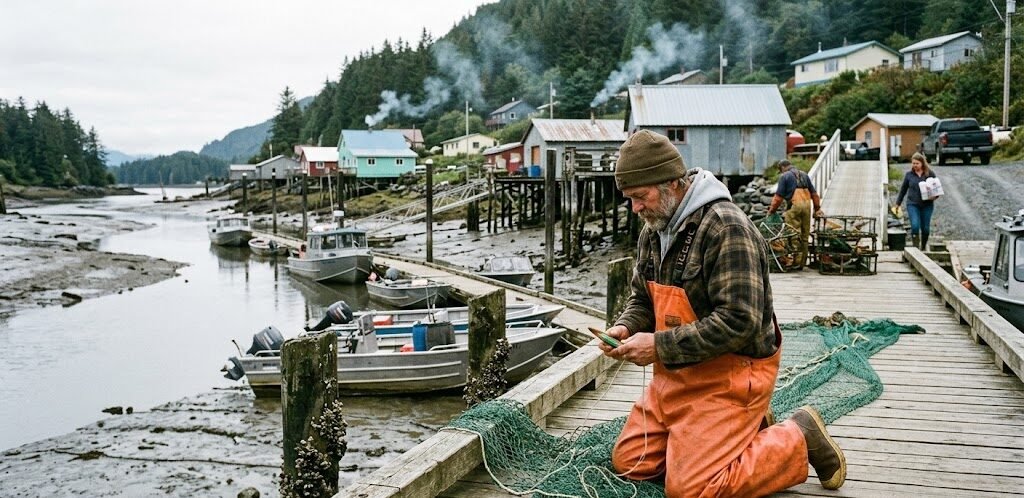
Understanding Remote Fishing Villages
Remote fishing villages represent some of the world’s most resilient and tightly-knit communities. Situated along coastlines far from urban centers, these settlements have developed unique cultures and lifestyles shaped by their relationship with the ocean. Inhabitants of these villages have cultivated generations of knowledge about maritime ecosystems, seasonal patterns, and sustainable harvesting practices that enable them to thrive in challenging environments.
The character of remote fishing villages is fundamentally determined by their geographical isolation and economic dependence on marine resources. These communities often maintain traditional ways of life that have been passed down through families for centuries, preserving cultural heritage while adapting to contemporary challenges.
The Rhythm of Tidal Life
Life in remote fishing villages operates according to natural cycles that city dwellers rarely experience. The tides dictate the daily schedule of fishermen, determining when boats can safely depart and return. High tides and low tides influence not only fishing operations but also the timing of meals, social gatherings, and rest periods.
This harmonious synchronization with natural rhythms extends beyond practical considerations. The tidal cycle profoundly influences the community’s cultural practices, spiritual beliefs, and sense of collective identity. Fishermen develop an intuitive understanding of these patterns through years of experience, knowledge that cannot be easily quantified or documented.
Seasonal Variations and Their Impact
Seasonal changes bring distinct challenges and opportunities to remote fishing communities. Summer months typically offer calmer waters and more abundant fish stocks, allowing for increased catch volumes and economic activity. Conversely, winter storms force fishermen to remain ashore, during which time they maintain equipment, repair boats, and engage in community activities.
- Spring seasons bring migration patterns that attract commercial and subsistence fishermen
- Summer provides optimal conditions for offshore fishing expeditions
- Autumn transitions mark preparation periods for harsh winter conditions
- Winter months necessitate reduced fishing activity and alternative income sources
Economic Challenges and Sustainability
Remote fishing villages face significant economic pressures in the modern era. Declining fish stocks due to overfishing, climate change, and industrial fishing operations threaten the viability of traditional livelihoods. Many younger residents migrate to urban centers seeking more stable employment and economic opportunities, contributing to demographic decline in these communities.
Sustainability has become paramount for the survival of these villages. Local fishermen increasingly adopt conservation practices, implement catch limitations, and participate in marine resource management initiatives. These efforts aim to preserve fish populations while maintaining the economic foundation that supports generations of families.
Cultural Heritage and Community Bonds
The cultural fabric of remote fishing villages is exceptionally strong, characterized by interdependence and mutual support. Community members rely on one another for safety during dangerous maritime conditions, equipment sharing, and collective problem-solving. This solidarity creates social bonds that are considerably stronger than those typically found in larger, more anonymous urban settings.
Traditional customs, local cuisine, maritime folklore, and artistic expressions reflect centuries of adaptation to coastal living. These cultural elements serve not merely as entertainment or historical artifacts, but as fundamental components of community identity and social cohesion.
Intergenerational Knowledge Transfer
The transmission of fishing knowledge and maritime skills from elders to younger generations remains vital to village continuity. Apprenticeships, family mentoring, and collaborative work practices ensure that crucial expertise regarding weather prediction, navigation, fish behavior, and boat maintenance is preserved. This intergenerational knowledge exchange strengthens cultural continuity and practical competency.
Modern Infrastructure and Connectivity
Technological advancement presents both opportunities and challenges for remote fishing villages. Improved communication systems, weather forecasting technology, and modern fishing equipment enhance safety and efficiency. However, digital connectivity also exposes villagers to external economic pressures and cultural influences that can undermine traditional practices.
Infrastructure development, while beneficial for healthcare access and economic opportunity, risks altering the fundamental character of these communities. Balancing modernization with cultural preservation remains an ongoing challenge for village leaders and residents.
Climate Change and Environmental Pressures
Climate change represents an existential threat to remote fishing villages. Rising ocean temperatures, changing precipitation patterns, and extreme weather events disrupt established fishing seasons and fish migration routes. Communities that have sustained themselves through intimate knowledge of local environmental patterns now face unprecedented unpredictability.
Coastal erosion and rising sea levels threaten the physical infrastructure of villages built on low-lying coastal terrain. These environmental pressures compound existing economic challenges and accelerate migration patterns among younger residents seeking climate-resilient futures.
The Future of Remote Fishing Communities
The future trajectory of remote fishing villages depends on coordinated efforts involving local communities, governmental support, and sustainable resource management. Tourism development, value-added fish products, and diversified economic activities offer potential pathways for economic resilience without abandoning traditional maritime heritage.
Successful adaptation requires respecting the autonomy and expertise of fishing communities while providing resources for infrastructure, education, and economic diversification. Preserving these unique settlements represents not only an economic imperative but a cultural responsibility to maintain human diversity and traditional knowledge systems.
Conclusion
Remote fishing villages embody a distinctive way of life shaped by centuries of coexistence with tidal rhythms and marine ecosystems. These communities possess invaluable cultural heritage, environmental knowledge, and social cohesion that warrant protection and support. As global challenges intensify, remote fishing villages offer important lessons regarding sustainability, community resilience, and human adaptation to natural systems. Ensuring their survival requires balanced approaches that honor traditional practices while facilitating sustainable development and improved living standards for future generations.