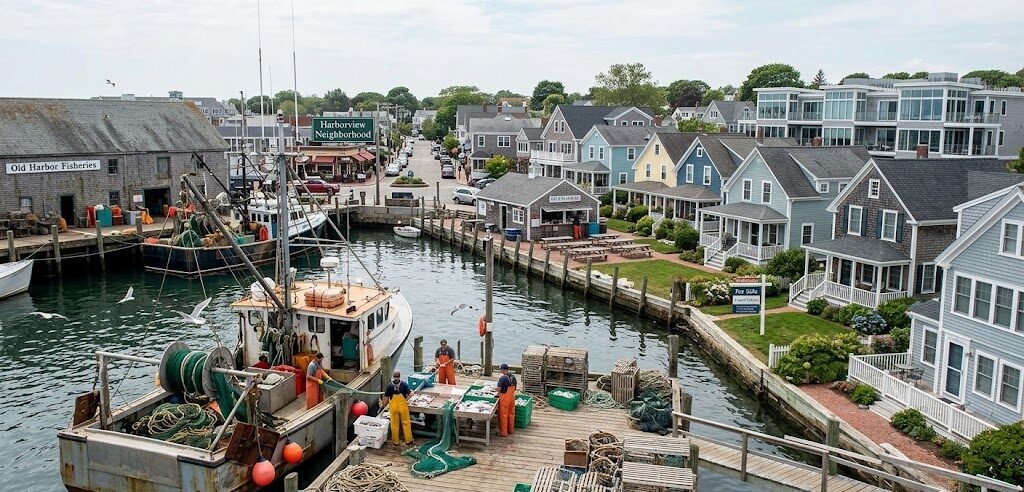
The Intersection of Fishing Industries and Coastal Real Estate Development
Coastal regions worldwide face a complex challenge at the intersection of two vital economic sectors: commercial fishing and real estate development. This intersection presents both opportunities and significant challenges for coastal communities, policymakers, and stakeholders invested in sustainable economic growth.
Understanding the Conflict
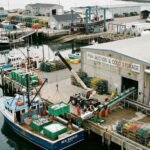
Fishing industries have historically formed the backbone of many coastal economies, providing livelihoods for thousands of families and contributing substantially to food security globally. However, the rapid expansion of coastal real estate development often conflicts with traditional fishing practices and marine ecosystems. As waterfront properties become increasingly valuable, pressure mounts to convert fishing harbors, processing facilities, and marine habitats into residential and commercial developments.
Economic Implications
The economic tension between these two sectors is substantial. Real estate developers view coastal properties as premium investments with significant profit potential, while fishing communities argue that their economic survival depends on maintaining access to traditional fishing grounds and port facilities. Consider the following economic factors:
- Property values in coastal areas typically increase at rates significantly higher than inland regions
- Commercial fishing contributes billions annually to global economies and supports millions of jobs
- Real estate development generates immediate tax revenue but may undermine long-term fishing industry sustainability
- Infrastructure displacement costs associated with relocating fishing operations can be substantial
Environmental Concerns
Beyond economics, environmental considerations play a critical role in this intersection. Coastal development frequently results in:
- Habitat destruction and loss of critical spawning grounds for fish populations
- Increased water pollution from construction and residential runoff
- Alterations to coastal ecosystems and marine biodiversity
- Reduced water quality in fishing grounds
- Coastal erosion and ecosystem degradation
These environmental impacts directly threaten the sustainability of fishing industries, creating a cycle where development undermines the very resources upon which fishing communities depend.
Social and Cultural Impact
The pressure of coastal development extends beyond economic and environmental dimensions to encompass significant social and cultural consequences. Many coastal communities have fishing traditions spanning generations, with deep cultural roots and community identities built around maritime industries. Uncontrolled development can displace these communities, eroding cultural heritage and disrupting social structures that have sustained coastal populations for centuries.
Regulatory Frameworks and Solutions
Progressive governments and coastal management authorities have begun implementing integrated approaches to balance these competing interests. Effective strategies include:
- Zoning Regulations: Designating specific coastal areas exclusively for fishing operations and marine commerce
- Marine Protected Areas: Establishing zones where development is restricted to preserve fish populations and ecosystems
- Sustainable Development Plans: Creating comprehensive coastal management strategies that accommodate both industries
- Infrastructure Investment: Developing modern facilities that allow fishing industries to coexist alongside residential development
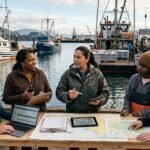
- Stakeholder Engagement: Including fishing communities in development planning and decision-making processes
- Incentive Programs: Offering tax benefits and subsidies to developers who integrate fishing-friendly infrastructure
Case Studies in Balanced Development
Several coastal regions have successfully implemented models demonstrating that fishing industries and real estate development need not be mutually exclusive. Progressive municipalities have created mixed-use waterfront developments that preserve active fishing operations while accommodating residential and commercial growth. These examples show that with proper planning, investment in infrastructure, and commitment to stakeholder engagement, coastal communities can achieve economic growth while protecting traditional industries.
The Path Forward
The future of coastal regions depends on adopting integrated management approaches that recognize the value of both fishing industries and real estate development. This requires:
- Commitment to long-term sustainability over short-term profits
- Investment in research to understand and mitigate environmental impacts
- Development of policies that protect fishing rights and access to marine resources
- Implementation of adaptive management strategies that can evolve with changing conditions
- Collaboration between government, private developers, and fishing communities
Coastal real estate development need not come at the expense of fishing industries. By implementing thoughtful planning, strong regulatory frameworks, and genuine stakeholder collaboration, coastal communities can achieve economic prosperity while preserving the industries and ecosystems that define their character and sustain their populations.