
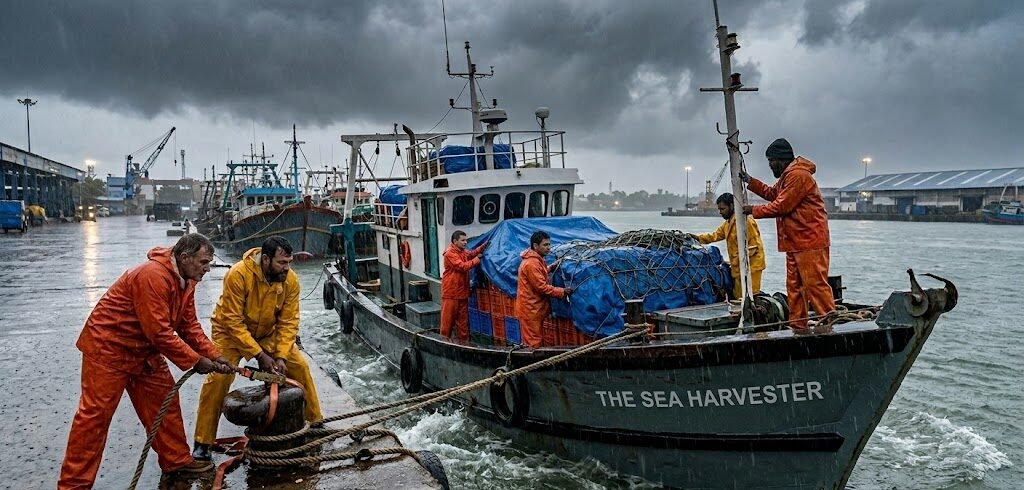
Understanding Storm Season in Coastal Areas
Coastal workers face unique challenges during storm season, when severe weather patterns can disrupt operations, compromise safety, and threaten livelihoods. Understanding the seasonal patterns and preparing adequately are essential steps toward ensuring personal security and maintaining business continuity. Storm season typically brings heightened risks, including strong winds, heavy rainfall, flooding, and storm surge—all of which require comprehensive preparation and response strategies.
Pre-Season Preparation and Planning
Effective storm season management begins well before the first weather warning. Coastal workers and employers should establish robust preparation protocols that address both immediate safety concerns and long-term operational resilience.
Develop a Comprehensive Emergency Plan
- Create detailed evacuation procedures specific to your work location
- Identify multiple evacuation routes and safe assembly points
- Establish clear communication channels for emergency notifications
- Designate trained personnel responsible for emergency coordination
- Conduct regular drills to ensure all staff understand procedures
Secure Your Work Environment
Physical preparations are critical for minimizing damage and ensuring worker safety. Inspect buildings and infrastructure for vulnerabilities, reinforce structures where necessary, and secure loose materials that could become airborne hazards. Install or maintain storm shutters, backup power systems, and adequate drainage. Store essential equipment and documents in waterproof, elevated locations.
Personal Preparedness Measures
Individual workers must take responsibility for their own safety and readiness during storm season. Personal preparedness extends beyond the workplace and encompasses home and family considerations.
Essential Supplies and Equipment
Maintain an emergency kit containing:
- First aid supplies and essential medications
- Non-perishable food and drinking water (at least three days’ supply)
- Flashlights and extra batteries
- Battery-powered or hand-crank radio
- Important documents in waterproof containers
- Cash and identification
- Change of clothing and sturdy footwear
Stay Informed and Connected
Monitor weather forecasts regularly through official sources such as the National Weather Service or equivalent meteorological agencies. Register for emergency alert systems that provide timely warnings specific to your location. Maintain multiple communication methods, as traditional phone lines may become unavailable during severe weather events.
Workplace Safety Protocols During Storms
Before the Storm Arrives
As storm conditions develop, coastal workers should reduce outdoor activities and secure or store equipment appropriately. Close windows and doors, move vehicles to sheltered locations, and ensure all team members understand their assigned responsibilities. Supervisors should verify that all safety equipment is in place and functional.
During Active Storm Conditions
When severe weather is actively affecting your area, prioritize sheltering in place within secure structures. Remain indoors away from windows and exterior walls. Avoid using electrical equipment except in emergencies, and never venture outside for non-essential reasons. Listen to emergency broadcasts and follow instructions from local authorities.
After the Storm Passes
Exercise caution when assessing damage or resuming operations. Downed power lines, debris fields, and weakened structures pose significant hazards. Wear protective equipment including sturdy footwear, helmets, and gloves. Document damage with photographs for insurance and recovery purposes, but do not enter unstable structures.
Health and Wellness Considerations
Storm events create physical and psychological stress that can impact worker health and well-being. Employers should provide mental health resources and recognize that storm-related anxiety is a legitimate concern. Ensure adequate rest, maintain proper nutrition and hydration, and seek medical attention for any injuries sustained during the event.
Communication and Community Resources
Establish clear communication protocols within your organization and with relevant authorities. Know the location of emergency shelters, medical facilities, and official disaster recovery resources. Connect with community organizations that provide disaster assistance and recovery support services. Building strong community relationships enhances collective resilience and mutual support during challenging times.
Recovery and Continuity Planning
Post-storm recovery requires systematic planning and resource allocation. Assess damage thoroughly, prioritize repairs to critical systems, and develop a realistic timeline for operational recovery. Maintain detailed records of expenses and losses for insurance claims and potential government assistance programs. Regular after-action reviews identify lessons learned and improve future preparedness.
Conclusion
Storm season survival for coastal workers depends on comprehensive preparation, clear communication, and adherence to established safety protocols. By understanding risks, developing detailed emergency plans, maintaining essential supplies, and staying informed through official channels, coastal workers can significantly reduce vulnerability and protect themselves, their colleagues, and their communities. Preparation conducted during calm weather creates the foundation for effective response when severe conditions develop, ultimately contributing to enhanced safety and organizational resilience.