Understanding Working Waterfronts
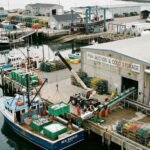
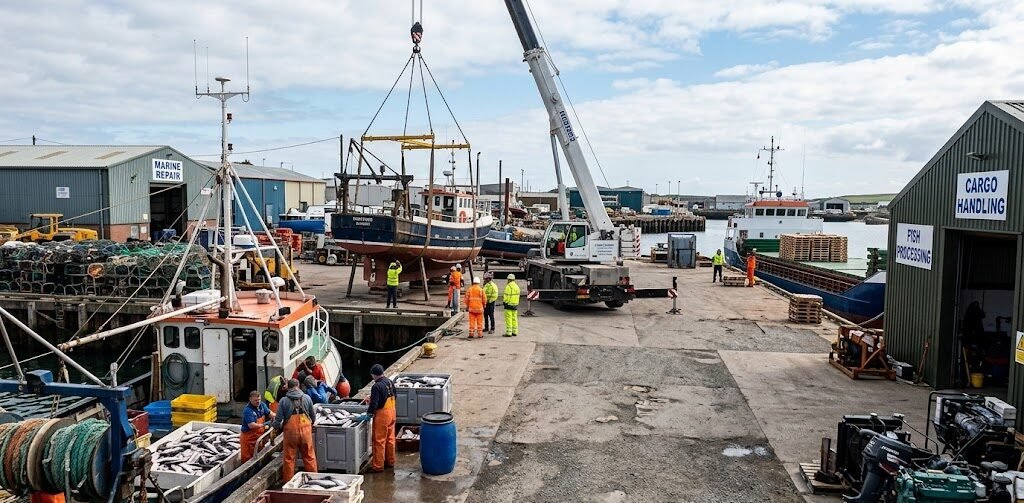
Working waterfronts represent vital economic engines that extend far beyond the scope of traditional tourism industries. These dynamic maritime spaces serve as operational hubs for commercial fishing, shipping, marine manufacturing, and port activities that generate substantial economic value for coastal communities. Unlike recreational waterfronts designed primarily for leisure activities, working waterfronts maintain their focus on productive maritime commerce and industrial operations.
The significance of working waterfronts lies in their multifaceted contributions to local and regional economies. These areas facilitate the movement of goods, support employment opportunities across multiple sectors, and maintain critical infrastructure necessary for maritime trade and commerce. As coastal development pressures intensify, preserving and strengthening working waterfronts has become increasingly important for economic sustainability.
Economic Impact and Job Creation
Working waterfronts generate substantial employment across diverse sectors and skill levels. Commercial fishing operations, port management, marine transportation, shipbuilding, and waterfront-related manufacturing all rely on direct access to productive waterfront space. These sectors provide well-paying jobs for skilled workers and contribute significantly to regional gross domestic product.
The economic multiplier effect of working waterfronts extends throughout surrounding communities. Employees spend wages locally, supporting retail businesses, restaurants, and service providers. Businesses operating on working waterfronts require supplies, maintenance services, and professional expertise from other local enterprises, creating interconnected economic networks that strengthen community resilience.
Primary Industries Supported
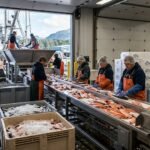
- Commercial Fishing: Harvesting, processing, and distribution of seafood products
- Marine Transportation: Shipping services, cargo handling, and logistics operations
- Shipbuilding and Repair: Construction and maintenance of vessels and maritime infrastructure
- Port Operations: Container handling, bulk cargo processing, and intermodal transportation
- Marine Manufacturing: Production of equipment, machinery, and maritime-related products
Food Security and Supply Chain Resilience
Working waterfronts play a crucial role in maintaining food security by supporting domestic seafood production. Commercial fishing fleets operating from productive waterfronts provide essential protein sources while reducing reliance on imported seafood products. This domestic production capacity strengthens national food security and reduces supply chain vulnerabilities associated with international trade disruptions.
The infrastructure and expertise concentrated at working waterfronts facilitate efficient processing, distribution, and delivery of seafood products to markets nationwide. This logistical capability ensures that consumers have access to fresh, locally-sourced marine products while supporting the livelihoods of fishing communities that have stewarded these resources for generations.
Infrastructure and Capital Investment
Operating productive working waterfronts requires substantial capital investment in specialized infrastructure. Dock facilities, marine railways, refrigeration systems, storage warehouses, and equipment all represent significant financial commitments that benefit from economies of scale achieved through active commercial operations.
These infrastructure investments create physical assets that support multiple users and generate ongoing economic returns. Maintenance and upgrades to existing facilities create additional employment opportunities and keep capital circulating within coastal communities. The viability of maintaining expensive waterfront infrastructure often depends directly on active commercial use rather than speculative development or recreational purposes.
Challenges to Working Waterfront Preservation
Working waterfronts face mounting pressures from competing land uses and development interests. Coastal real estate values have escalated dramatically in many regions, creating strong financial incentives to convert productive waterfront space into residential condominiums, hotels, and retail establishments that generate higher short-term returns.
Environmental regulations, while important for ecological protection, sometimes create operational challenges for maritime industries without considering the economic and social consequences of reduced productivity. Balancing environmental stewardship with economic necessity requires thoughtful policy approaches that recognize the value of working waterfronts as both productive economic assets and important ecological interfaces.
Policy Strategies for Waterfront Protection
Communities seeking to preserve working waterfront capabilities have adopted various policy approaches. Zoning regulations that designate waterfront areas exclusively for maritime commercial use provide legal protection against conversion to alternative uses. These regulations acknowledge that some land uses generate greater public benefit than others and warrant preferential protection.
Public ownership or long-term leasing arrangements for critical waterfront property can prevent speculative acquisition and ensure continued availability for maritime industries. Some jurisdictions have established waterfront development corporations or public trusts specifically charged with protecting productive waterfront space while managing operations responsibly.
Infrastructure investment and modernization programs support the competitiveness of working waterfronts and demonstrate public commitment to maritime industries. Funding for facility improvements, technology upgrades, and workforce development helps working waterfronts compete effectively in global markets.
Regional Economic Diversification
Healthy working waterfronts contribute to regional economic diversification by maintaining viable alternatives to over-reliance on tourism or single industries. Communities with active maritime commerce achieve greater economic resilience by supporting multiple employment sectors and reducing vulnerability to seasonal fluctuations or industry-specific economic downturns.
The skills, expertise, and institutional knowledge concentrated in maritime communities represent valuable human capital that supports innovation and adaptation. These communities develop specialized knowledge about marine resources, vessel operations, cargo handling, and maritime commerce that creates competitive advantages in global markets.
Environmental Stewardship and Sustainability
Working waterfronts, when properly managed, can operate as responsible stewards of marine resources and coastal ecosystems. Commercial fishing operations with long-term community ties have strong incentives to maintain resource sustainability, as their economic futures depend directly on healthy fish populations and productive ecosystems.
Modern working waterfronts increasingly incorporate environmental best practices including pollution prevention systems, habitat restoration initiatives, and sustainable resource management protocols. These investments protect environmental quality while maintaining economic productivity, demonstrating that economic activity and environmental protection need not be mutually exclusive objectives.
Global Competitiveness and Trade
Working waterfronts position coastal regions competitively within global trade networks. Efficient port operations and maritime logistics capabilities attract international commerce and create opportunities for value-added services. Regions maintaining active working waterfronts participate more effectively in global supply chains and benefit from trade-related economic activity.