
Understanding the Heritage of Saltwater Fishing
Saltwater fishing represents far more than a recreational activity or commercial enterprise. It embodies a rich cultural heritage passed down through generations, carrying with it knowledge, traditions, and values that define coastal communities worldwide. The practice of fishing in saltwater environments has shaped economies, cultures, and family bonds for centuries, creating a legacy that continues to influence how modern anglers approach their craft.
The traditions associated with saltwater fishing extend beyond the mere act of catching fish. They encompass a comprehensive understanding of marine ecosystems, weather patterns, vessel handling, and the ethical principles that govern sustainable fishing practices. These accumulated insights represent the collective wisdom of countless individuals who have dedicated their lives to understanding and respecting the ocean.
The Foundation: Knowledge Transfer Across Generations
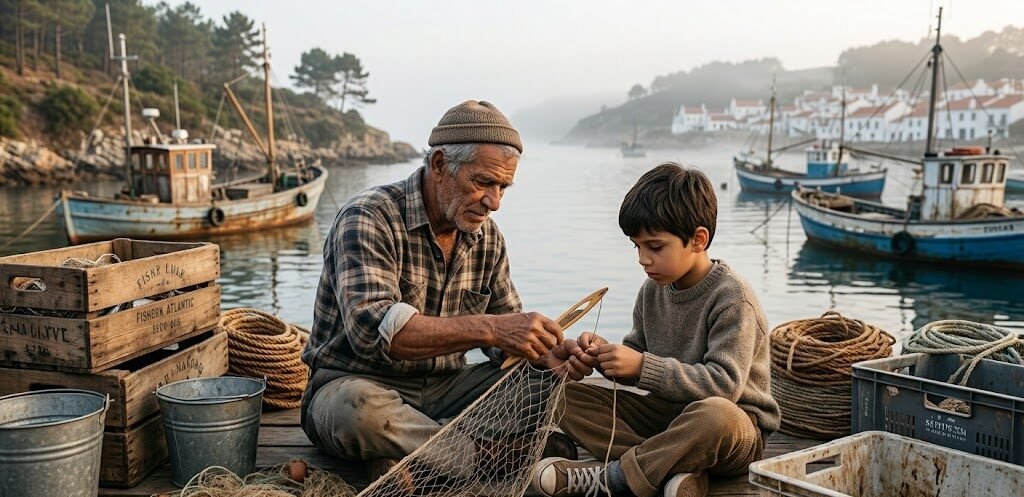
The transmission of fishing skills from one generation to the next has historically occurred through direct mentorship and hands-on experience. Experienced anglers have long served as teachers, demonstrating techniques and sharing insights that cannot be found in written manuals or instructional videos. This personal connection between mentor and apprentice creates a bond that strengthens family ties while preserving invaluable knowledge.
In traditional fishing families, children begin learning fundamental skills at young ages, gradually building competency and confidence. This incremental approach allows learners to develop both technical proficiency and an intuitive understanding of marine conditions. The process instills not only practical abilities but also respect for the ocean and its resources.
Essential Skills Passed Through Generations
- Navigation and Weather Reading: Understanding ocean conditions, recognizing weather patterns, and navigating safely through various sea states represent foundational knowledge that experienced fishers impart to younger generations.
- Vessel Operation: The safe and effective operation of fishing boats requires extensive knowledge and practice. Traditional training ensures that newer operators understand both routine procedures and emergency protocols.
- Tackle and Equipment Knowledge: Understanding the nuances of different rods, reels, lines, and lures—and knowing when to employ each—represents specialized knowledge developed over years of practical experience.
- Fish Behavior and Habitat Understanding: Recognizing where different species congregate, understanding seasonal migrations, and reading water conditions are skills that develop through years of observation and experience.
- Sustainable Harvesting Practices: Knowledge of catch limits, proper handling techniques, and conservation principles ensures that fishery resources remain viable for future generations.
Regional Variations and Cultural Identity
Saltwater fishing traditions vary significantly across different coastal regions, each developing unique practices suited to local marine environments and available species. These regional variations reflect the cultural identities of communities and have become integral to their heritage.
Coastal communities in the Pacific Northwest developed distinct techniques for salmon fishing, while Atlantic coastal regions cultivated specialized methods for catching cod, lobster, and other species. Mediterranean fishing communities perfected practices suited to their unique marine environment, while Asian coastal cultures developed sophisticated approaches to saltwater fishing that have remained largely unchanged for generations.
Learning Through Observation and Practice
Traditional saltwater fishing training emphasizes learning through observation and practical application rather than theoretical instruction. Newer fishers typically spend extended periods on vessels, initially performing support tasks while gradually assuming more responsible roles. This apprenticeship model develops comprehensive understanding while building the judgment necessary for making decisions in dynamic marine environments.
The sensory experiences involved in fishing—understanding how equipment feels, recognizing the subtle signs of fish activity, and developing instinctive responses to changing conditions—cannot be adequately conveyed through instruction alone. They require extensive time spent in authentic fishing environments.
Modern Challenges to Traditional Knowledge Transfer
Contemporary society faces significant challenges in preserving saltwater fishing traditions. Younger generations increasingly pursue different career paths, and the economic pressures facing fishing industries make it difficult for families to sustain their traditional livelihoods. Additionally, regulatory frameworks, declining fish stocks, and environmental changes have altered the contexts in which traditional knowledge developed.
Technology has created new tools for learning and communication, yet these innovations sometimes inadvertently reduce the personal connections that have historically facilitated knowledge transfer. The decline of family-based fishing enterprises means that fewer young people have opportunities to develop skills through traditional apprenticeship models.
Preserving Heritage While Embracing Progress
Recognizing the value of saltwater fishing traditions has prompted communities and organizations to develop initiatives aimed at preserving this heritage. Fishing museums, educational programs, and mentorship organizations work to maintain knowledge that might otherwise be lost. These efforts acknowledge that traditional skills and cultural practices represent irreplaceable resources.
Progressive preservation strategies integrate traditional knowledge with modern understanding, creating hybrid approaches that respect heritage while adapting to contemporary conditions. Fisheries management programs increasingly recognize that traditional ecological knowledge held by experienced anglers provides valuable insights for sustainable resource management.
Community-Based Preservation Efforts
Many coastal communities have established programs specifically designed to maintain fishing traditions and transmit skills to younger generations. These initiatives might include apprenticeship opportunities, educational workshops, cultural festivals celebrating fishing heritage, or documentation projects that record the knowledge of elder fishers.
Such programs recognize that preserving traditions requires more than nostalgia—it requires creating meaningful opportunities for people to engage with these practices and understand their cultural significance.
The Future of Saltwater Fishing Heritage
The future of saltwater fishing traditions depends on society’s commitment to valuing and preserving this heritage. As environmental conditions change and regulatory landscapes evolve, the adaptive knowledge held by experienced fishers becomes increasingly valuable. These individuals understand how marine ecosystems respond to various pressures and possess insights that inform sustainable fishing practices.
Younger generations who choose to engage with saltwater fishing traditions bring new perspectives and technologies while building upon the foundational knowledge passed down through their families and communities. This intergenerational dialogue between traditional practices and contemporary approaches creates opportunities for meaningful innovation.
Conclusion
Saltwater fishing traditions represent far more than techniques for catching fish—they constitute cultural heritage that embodies generations of accumulated knowledge, environmental understanding, and human values. The skills and wisdom passed from experienced fishers to apprentices preserve not only practical abilities but also connections to place, family, and cultural identity.