
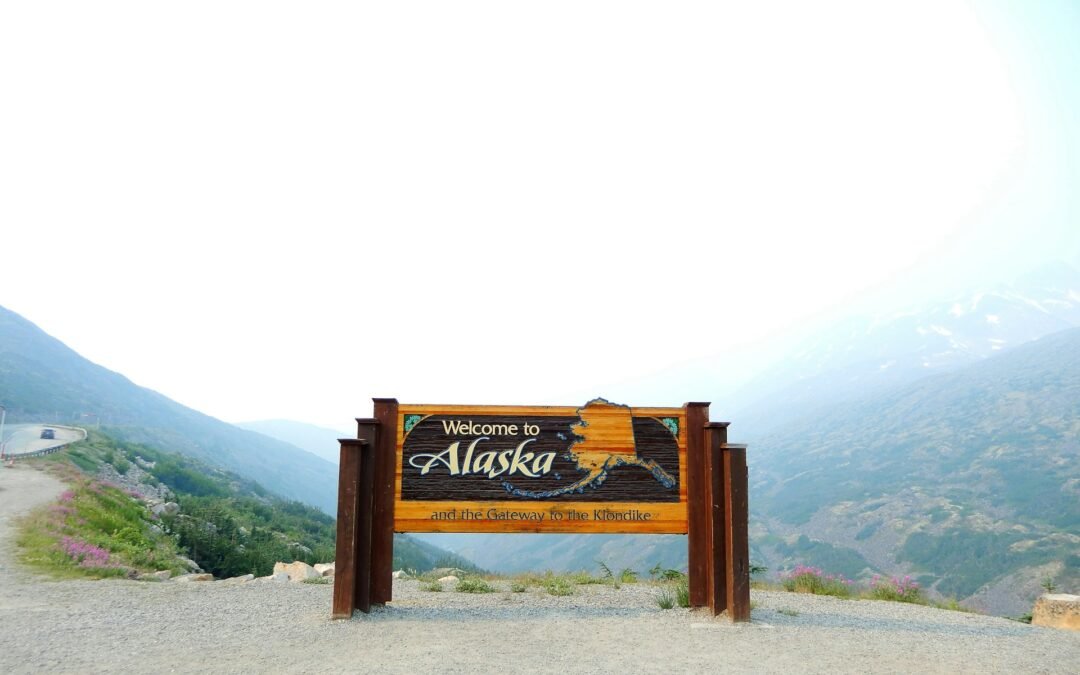
Alaska is widely celebrated for its breathtaking landscapes, from towering glaciers and snow-capped mountains to sprawling forests and endless tundra. Yet beyond its natural wonders lies a vibrant cultural heritage that often goes unnoticed by many visitors. Traditional Alaskan culture reflects a unique blend of centuries-old Native traditions and the influences of modern life, creating a lifestyle that is both resilient and deeply connected to the land. From indigenous communities preserving their languages, crafts, and seasonal practices to urban Alaskans embracing technology, education, and contemporary trends, the state offers a fascinating glimpse into human adaptability. Experiencing Alaska is not just about its scenery; it is about understanding how history, art, food, and community shape everyday life in the Last Frontier.
Native Alaskan Heritage
Alaska’s Native communities, including the Inupiat, Yup’ik, Aleut, Tlingit, and Athabascans, have preserved traditions for thousands of years. Storytelling, drumming, and intricate crafts such as totem pole carving and beadwork remain central to their identity. Seasonal living shapes much of daily life, like hunting, fishing, and gathering ensures survival in harsh climates, while festivals and ceremonies maintain a strong sense of community. Traditional practices are not just cultural; they are practical. Native knowledge of the land, weather patterns, and wildlife continues to guide sustainable living in one of the world’s most extreme environments. Even today, many Alaskans follow these traditions alongside modern practices.
Modern Alaskan Life
Modern life in Alaska varies widely depending on location. Urban centers like Anchorage and Fairbanks offer schools, healthcare, and entertainment, while small towns and remote villages maintain closer ties to traditional ways of living. Technology, education, and global culture influence everyday life, yet Alaskans remain deeply proud of their heritage. Festivals, art shows, and cultural events provide opportunities to celebrate history while embracing modernity. This blend of old and new creates a lifestyle that is uniquely adaptable, community-driven, and closely tied to nature. Alaskans continue to balance modern conveniences with a deep respect for their cultural roots.
Food, Art & Festivals
Alaskan cuisine reflects both tradition and innovation. Native diets rely on salmon, moose, berries, and seal oil, while modern chefs create fusion dishes combining these ingredients with contemporary flavors. Food remains a key way to preserve cultural identity, connecting past and present. Art and music also play a vital role. Native crafts, carvings, and drumming traditions continue to thrive, while modern Alaskan artists merge heritage with contemporary styles. Local festivals like the Iditarod Trail Sled Dog Race, Fur Rendezvous, and Alaska Native Heritage Center events celebrate both history and modern achievements, drawing communities together and showcasing Alaska’s cultural richness.
Preserving Tradition in Modern Times
Efforts to preserve Native languages, customs, and survival skills are ongoing. Schools, cultural organizations, and museums work to ensure that younger generations carry forward Alaska’s heritage. This balance of tradition and modern living ensures that Alaskan culture remains vibrant and relevant in the 21st century. Community-led programs teach traditional crafts, storytelling, and subsistence skills, helping youth connect with their roots. Annual cultural festivals and workshops provide hands-on experiences that celebrate both history and creativity.
Conclusion
Alaska’s culture is as striking as its landscapes, rooted in Native heritage yet shaped by modern life. From traditional crafts and foods to urban festivals and contemporary art, the state offers a unique glimpse into a lifestyle that honors the past while embracing the present. Experiencing Alaska is not just about its scenery; it’s about connecting with a living, evolving culture. Visitors and residents alike can learn from the resilience and resourcefulness of Alaskans, gaining a deeper appreciation for how tradition and modernity coexist. The blend of wilderness, community, and culture creates experiences that are both educational and inspiring.