Understanding Tidal Patterns and Coastal Living
Coastal communities have developed a profound relationship with the ocean’s rhythmic tidal cycles. Tides, driven by the gravitational pull of the moon and sun, create predictable patterns that shape nearly every aspect of daily life for those living along the shoreline. Understanding these natural phenomena is essential for coastal residents who must navigate their environment safely and efficiently.
The tidal cycle occurs approximately every 12 hours and 25 minutes, creating two high tides and two low tides each day. This predictability allows communities to organize their activities around these patterns, turning what could be a disruptive force into an integral part of their routine.
Maritime Activities and Economic Dependence
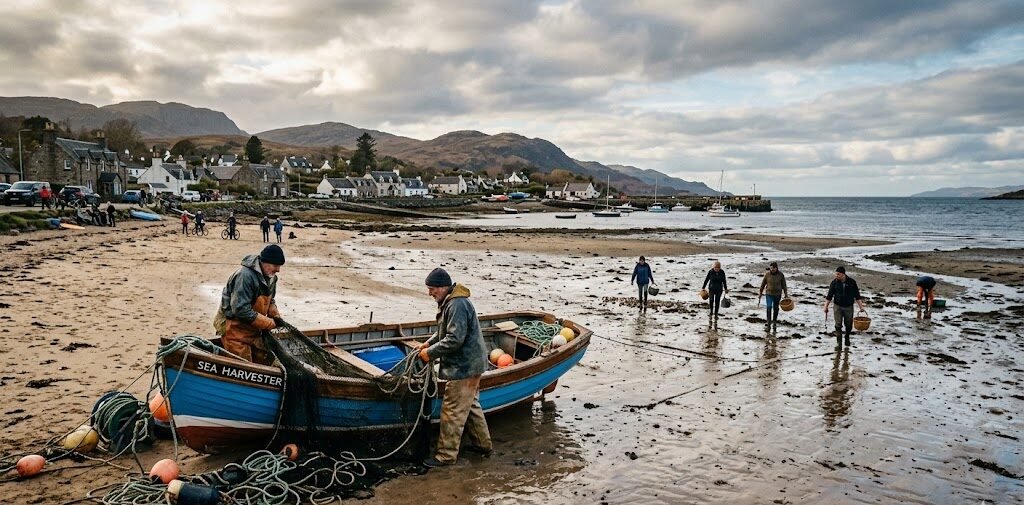
For coastal communities, tides directly influence fishing schedules, shipping operations, and recreational marine activities. Commercial fishermen time their departures and returns based on tidal forecasts, maximizing their catch while ensuring safe navigation through coastal waters.
Key maritime industries affected by tidal patterns include:
- Commercial fishing and aquaculture operations
- Shipping and port management
- Tourism and water-based recreation
- Shellfish harvesting and cultivation
- Marine transportation and logistics
Ports and harbors require careful management of tidal schedules to accommodate large vessels. Ships must enter and exit during optimal tidal windows when water depth is sufficient, making tidal prediction an essential operational tool for maritime industries.
Infrastructure and Urban Planning Considerations
Coastal communities must design their infrastructure with tidal fluctuations in mind. Bridges, docks, and drainage systems are engineered to accommodate the dramatic differences between high and low tide water levels. In some regions, tidal ranges can exceed 40 feet, requiring specialized construction techniques and materials.
Urban planning in coastal areas includes:
- Strategic placement of seawalls and breakwaters
- Elevated building foundations and infrastructure
- Advanced drainage and flood management systems
- Tidal-responsive transportation networks
- Sustainable development practices that respect natural cycles
Communities in areas with significant tidal variation, such as the Bay of Fundy in Canada or the Bristol Channel in the United Kingdom, have pioneered innovative engineering solutions that work in harmony with rather than against these powerful natural forces.
Agricultural and Food Production Adaptations
Coastal agriculture extends beyond traditional farming into specialized practices directly influenced by tidal patterns. Salt marsh hay production, for example, depends on understanding how tides affect water salinity and vegetation growth patterns. Aquaculture operations must carefully manage water exchange rates that coincide with tidal movements.
Agricultural practices adapted to tidal environments include:
- Tidal zone crop cultivation and harvesting
- Shellfish farming and oyster bed management
- Seaweed harvesting and processing
- Salt production in coastal evaporation ponds
Communities have developed sophisticated knowledge systems passed down through generations, enabling farmers and harvesters to work in harmony with tidal rhythms.
Transportation and Accessibility Networks
In many coastal regions, tides significantly impact transportation infrastructure and accessibility. Causeway systems, tidal fords, and beach access routes may be impassable at high tide, requiring residents and visitors to plan their movements around tidal schedules. Some island communities rely entirely on tidal conditions for vehicle access, creating unique living arrangements where timing is everything.
Transportation adaptations in coastal areas include:
- Tidal causeway systems with scheduled access windows
- Seasonal route variations based on tidal ranges
- Advanced tide prediction systems for commuters
- Alternative transportation during high tide periods
Modern Technology and Tidal Prediction
Contemporary coastal communities benefit from sophisticated tidal prediction technology that provides accurate forecasts days or weeks in advance. Weather applications, maritime services, and government agencies offer real-time tidal information, enabling residents to plan activities with precision.
Modern tools available to coastal communities include:
- Digital tide tables and mobile applications
- Real-time water level monitoring systems
- Weather integration services
- Maritime navigation systems with tidal data
- Early warning systems for extreme tidal events
This technological advancement has enhanced safety while reducing uncertainty in tidal-dependent activities.
Cultural and Social Dimensions
Tidal cycles have profoundly influenced the culture and traditions of coastal communities. Festivals, celebrations, and social gatherings often synchronize with significant tidal events. Local knowledge about tide prediction, optimal harvesting times, and safe maritime practices is woven into community identity and transmitted through cultural traditions.
The relationship between tides and daily life extends beyond practical considerations into the spiritual and cultural realm, where many coastal communities maintain traditions directly connected to ocean rhythms.
Climate Change and Future Adaptation
Rising sea levels driven by climate change are altering traditional tidal patterns and increasing the frequency of extreme tidal events. Coastal communities are developing new adaptation strategies to address these changing conditions, including enhanced flood defenses, improved prediction systems, and sustainable development practices that accommodate future uncertainty.
Future adaptation strategies include:
- Climate-resilient infrastructure design
- Enhanced monitoring and early warning systems
- Community-based adaptation programs
- Nature-based solutions such as wetland restoration
- Integrated coastal zone management approaches
Conclusion
The relationship between tides and coastal daily life demonstrates humanity’s remarkable capacity to adapt to natural rhythms and forces.