Understanding the Fishing Season Cycle
Fishing communities around the world operate within carefully defined seasonal cycles that significantly impact their economic stability and social structures. These cycles are determined by migration patterns of fish species, weather conditions, and regulatory frameworks established to ensure sustainable marine resources. Understanding these natural rhythms is essential for developing strategies that enable fishing communities to not only survive but thrive during off-season periods.
The off-season represents a critical juncture for fishing communities, characterized by reduced catch volumes, limited income opportunities, and potential economic hardship. However, this period also presents valuable opportunities for adaptation, skill development, and diversification that can strengthen community resilience and create long-term prosperity.
Economic Diversification Strategies
Successful fishing communities recognize that economic stability depends on diversifying income sources beyond traditional fishing activities. Strategic diversification ensures that households maintain steady revenue streams throughout the entire year, reducing vulnerability to seasonal fluctuations.
Tourism and Hospitality Services
Many coastal fishing communities have successfully leveraged their unique cultural heritage and seafaring traditions to develop tourism-related enterprises. These initiatives include:
- Guided fishing excursions and eco-tourism experiences
- Seafood restaurants and culinary experiences featuring local catches
- Cultural workshops and maritime heritage programs
- Accommodation services such as guesthouses and boat-based lodging
- Artisanal craft production and local market development
These ventures not only generate supplementary income during off-seasons but also preserve traditional knowledge and create employment opportunities for community members of varying ages and physical capabilities.
Value-Added Processing and Production
Processing and preserving fish and seafood products during peak seasons creates marketable goods that can be sold throughout the year. Common value-added activities include:
- Fish smoking and curing techniques
- Production of fish meal, oils, and nutritional supplements
- Canning and packaging operations
- Development of specialty food products and condiments
These processing activities extend product shelf life, increase profit margins, and maintain employment continuity for workers throughout the off-season.
Infrastructure and Skills Development
The off-season provides an ideal window for communities to invest in infrastructure improvements and workforce skill enhancement that support long-term competitiveness.
Vessel and Equipment Maintenance
Utilizing off-season periods for comprehensive vessel maintenance, repairs, and upgrades ensures that fishing fleets remain safe, efficient, and compliant with regulatory standards. This includes:
- Hull repairs and structural assessments
- Engine maintenance and upgrades
- Safety equipment installation and certification
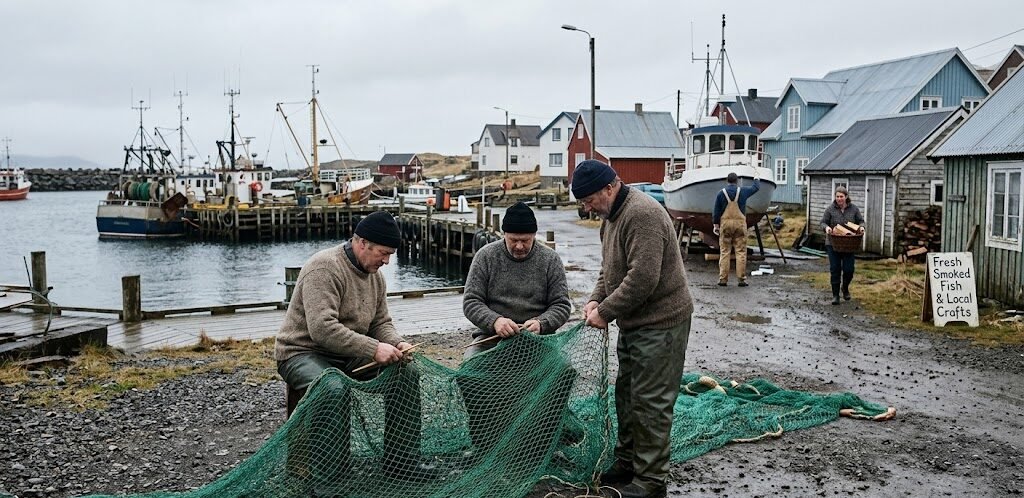
- Net and gear repairs and replacement
Proactive maintenance reduces operational costs during the fishing season and minimizes downtime-related revenue losses.
Training and Professional Development
Communities benefit significantly from investing off-season time in workforce development initiatives, including:
- Advanced fishing techniques and sustainable practices certification
- Business management and entrepreneurship training
- Digital literacy and technology adoption programs
- Safety and maritime regulations compliance courses
- Environmental stewardship and conservation education
Enhanced skills increase individual earning potential and strengthen the overall competitiveness of fishing operations.
Community Social and Cultural Initiatives
Off-season transitions create opportunities for communities to reinforce social bonds and preserve cultural heritage that defines their identity and cohesion.
Traditional knowledge transfer programs allow experienced fishermen to mentor younger generations, ensuring the continuity of specialized skills and maritime heritage. Cultural festivals, community events, and collaborative projects strengthen social networks and foster mutual support systems essential for weathering economic uncertainties.
Investment in community infrastructure—such as market facilities, meeting spaces, and recreational areas—enhances quality of life and creates gathering spaces that facilitate collaboration and information sharing among community members.
Government Support and Policy Frameworks
Enabling fishing communities to thrive during off-season transitions requires supportive policy environments and institutional frameworks. Effective approaches include:
- Direct income support programs and unemployment assistance schemes
- Subsidized access to training and professional development opportunities
- Financial assistance for vessel maintenance and equipment upgrades
- Market development assistance and cooperative formation support
- Licensing flexibility for alternative economic activities
- Infrastructure investment in harbors, processing facilities, and storage capacity
Governments that recognize the structural challenges of seasonal fishing economies and implement targeted support programs facilitate smoother transitions and enhance community resilience.
Sustainable Resource Management
Off-season periods provide critical opportunities for implementing sustainable fishing practices that protect marine ecosystems and ensure long-term resource availability. Communities engaged in monitoring programs, ecosystem research, and conservation initiatives contribute to sustainable fisheries management while potentially accessing research funding and technical support.
Participation in certification programs for sustainable fishing practices enhances market access and premium pricing opportunities, creating economic incentives for environmental stewardship.
Collaborative and Cooperative Models
Fishing cooperatives and community-based organizations enable economies of scale and risk distribution that strengthen individual fishermen’s capacity to weather seasonal fluctuations. Cooperative structures facilitate:
- Collective procurement of supplies at reduced costs
- Shared processing and storage infrastructure
- Coordinated marketing and distribution networks
- Mutual financial assistance and insurance mechanisms
- Collective bargaining with buyers and regulatory agencies
Collaborative approaches amplify individual community members’ capacity to pursue diversified economic activities and weather economic uncertainties.