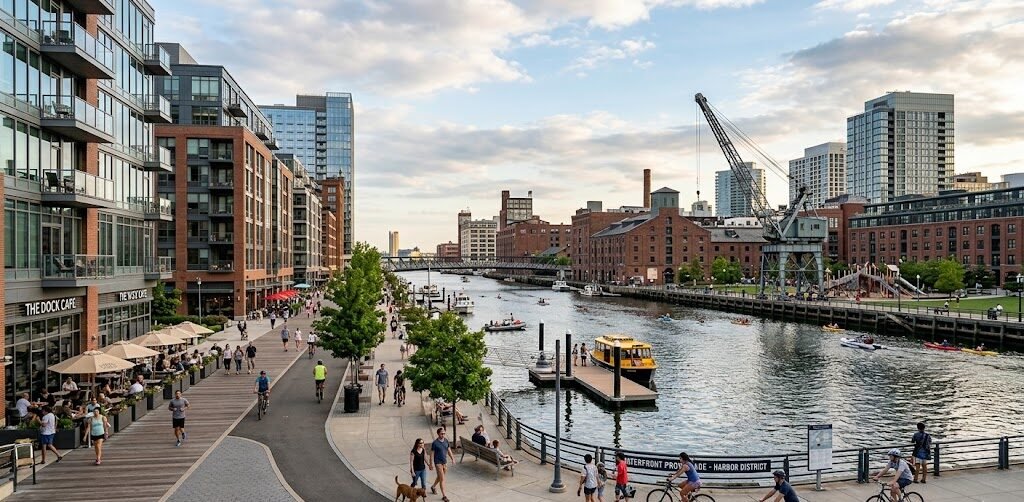
Introduction to Waterfront Revitalization
Waterfront revitalization represents one of the most transformative urban development initiatives of the 21st century. As cities worldwide recognize the potential of underutilized waterfront areas, communities are systematically converting abandoned industrial zones into vibrant, mixed-use destinations. This strategic transformation not only enhances property values and economic development but also improves quality of life for residents and visitors alike.
The Industrial Waterfront Era
Historically, waterfronts served as the backbone of industrial economies. Ports, factories, and manufacturing facilities clustered along rivers, harbors, and canals to facilitate transportation and commerce. These areas generated employment and wealth for urban centers throughout the industrial revolution and well into the 20th century.
However, the decline of manufacturing in developed nations, combined with containerization and globalization, left many traditional waterfront areas deteriorated and economically stagnant. Contaminated sites, crumbling infrastructure, and environmental challenges characterized these once-vital neighborhoods, creating both obstacles and opportunities for urban planners.
Catalysts for Change
Several key factors have driven the widespread movement toward waterfront revitalization:
- Demographic Shifts: Urban professionals increasingly prefer walkable, mixed-use neighborhoods with waterfront access to suburban developments.
- Environmental Remediation: Technological advances in brownfield cleanup have made previously contaminated sites viable for redevelopment.
- Public Investment: Government support for infrastructure improvements and public spaces has catalyzed private investment.
- Cultural Recognition: Communities now value waterfront areas as cultural and recreational anchors rather than purely industrial zones.
- Economic Incentives: Tax credits, grants, and public-private partnerships have made waterfront development financially feasible.
Characteristics of Modern Waterfront Communities
Mixed-Use Development
Contemporary waterfront projects typically feature integrated residential, commercial, and recreational spaces. Residential units ranging from affordable housing to luxury condominiums coexist with office buildings, retail establishments, restaurants, and entertainment venues. This diverse programming ensures vibrant streetscapes and consistent foot traffic throughout the day and evening.
Public Access and Recreation
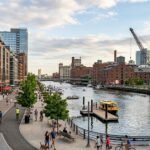
Modern waterfront developments prioritize public access through pedestrian-friendly pathways, waterfront parks, and recreational amenities. Boardwalks, marinas, amphitheaters, and public art installations encourage community engagement and celebrate the waterfront as a shared resource rather than a private asset. These public spaces become gathering places that foster social interaction and community pride.
Sustainable Design Practices
Leading waterfront revitalization projects incorporate environmental sustainability throughout their planning and construction. Green infrastructure, including rain gardens, permeable paving, and native vegetation, manages stormwater runoff and restores habitat. Energy-efficient buildings, water conservation systems, and waste reduction programs minimize environmental impact while demonstrating commitment to ecological stewardship.
Cultural and Historical Preservation
Successful waterfront communities often retain historic structures and cultural heritage, adaptively reusing warehouses, mills, and maritime facilities as museums, galleries, and event spaces. This approach preserves community identity while maintaining physical connections to the waterfront’s industrial past, creating authentic destinations that honor history while embracing contemporary development.
Economic and Social Benefits
Job Creation and Economic Growth
Waterfront revitalization generates substantial economic benefits through construction employment, permanent jobs in retail and hospitality sectors, and increased tax revenue. Property values in revitalized areas typically appreciate significantly, benefiting existing property owners while attracting new businesses and entrepreneurs seeking waterfront locations.
Community Health and Well-being
Access to waterfront parks and recreational facilities improves public health outcomes by encouraging physical activity and outdoor engagement. The creation of green spaces reduces urban heat island effects, improves air quality, and provides mental health benefits associated with nature access. Enhanced community amenities strengthen social cohesion and resident satisfaction.
Tourism and Cultural Development
Revitalized waterfronts become premier tourist destinations, attracting visitors through distinctive dining, shopping, entertainment, and cultural experiences. Museums, performance venues, and galleries positioned along waterfronts contribute to cities’ cultural identities while generating tourism revenue that supports local economies and hospitality industries.
Challenges and Considerations
Gentrification and Affordability
Waterfront revitalization frequently triggers rapid property appreciation and demographic change. While economic revitalization benefits property owners and new residents, long-term residents and small businesses may face displacement through rising rents and property taxes. Successful projects intentionally incorporate affordable housing requirements and community benefit agreements to ensure equitable development.
Environmental Remediation Costs
Contaminated industrial sites require extensive and expensive environmental assessment and cleanup. Managing soil and water contamination demands specialized expertise and significant financial resources, though public funding and liability protections have improved financial viability.
Infrastructure Investment Requirements
Aging waterfront infrastructure requires substantial upgrading to support modern development. Transportation systems, utilities, and stormwater management must be modernized to accommodate increased density and contemporary standards. Coordinating these improvements requires careful planning and sustained public investment.
Successful Case Studies
Urban Waterfront Transformation
Cities worldwide have demonstrated waterfront revitalization success through distinct approaches reflecting local conditions and aspirations. Contemporary examples showcase how strategic planning, public-private partnerships, and community engagement create economically viable, socially inclusive, and environmentally responsible waterfront communities that serve as models for continued development.
Future Directions in Waterfront Development
Climate Resilience Integration
Forward-thinking waterfront projects increasingly incorporate climate adaptation strategies, including elevated construction standards, living shorelines, and flood management systems. As sea-level rise and extreme weather intensify, waterfront development must balance revitalization goals with long-term environmental resilience.