
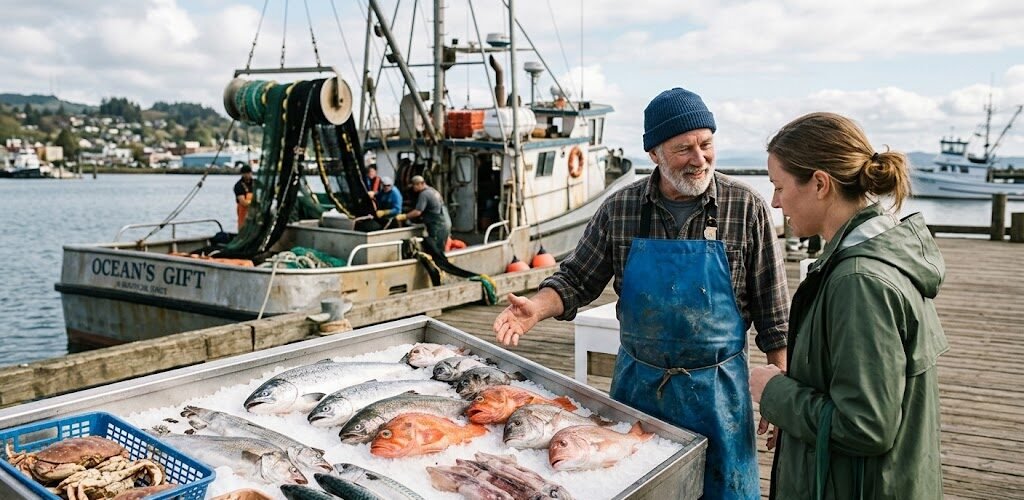
Understanding the Journey of Fresh Seafood from Ocean to Your Table
The quality of seafood that arrives on your plate is the result of a carefully orchestrated process that begins long before the product reaches the market. Understanding the journey from catch to plate provides valuable insight into what makes seafood truly fresh and how to identify quality products. This comprehensive guide explores each critical stage of seafood handling and delivery.
The Importance of Freshness in Seafood Quality
Seafood freshness is not merely a matter of taste preference—it is fundamentally tied to safety, nutritional value, and culinary performance. Fresh seafood contains higher levels of omega-3 fatty acids, vitamins, and minerals compared to older stock. Additionally, fresh fish and shellfish are less likely to harbor harmful bacteria that develop during extended storage periods.
The concept of freshness extends beyond the initial catch. The way seafood is handled, stored, and transported significantly impacts the final quality that consumers experience. Every hour that passes from the moment of capture influences the sensory characteristics and safety profile of the product.
The Harvesting Stage: Where Quality Begins
Responsible harvesting practices establish the foundation for quality seafood. Commercial fishing operations employ various methods, each with distinct implications for product quality:
- Line and hook fishing: This selective method allows fishermen to land fish individually, reducing stress and maintaining superior flesh quality. Species caught this way typically exhibit minimal bruising and damage.
- Trawling: Large nets capture multiple species simultaneously. While efficient, this method can result in stress-related quality degradation if fish are not processed immediately.
- Longlining: This technique uses numerous baited hooks along extended lines, offering quality benefits similar to line and hook methods while maintaining higher catch volumes.
- Trap and pot fishing: Commonly used for lobster and crab, this selective approach minimizes damage to delicate shellfish.
Responsible fisheries adhere to sustainable practices that ensure both environmental stewardship and superior product quality. Certifications from organizations such as the Marine Stewardship Council (MSC) indicate adherence to rigorous standards throughout the supply chain.
Immediate Processing: The Critical Window
The period immediately following capture represents the most critical phase in maintaining seafood quality. Modern fishing vessels are equipped with sophisticated processing facilities where fish are cleaned, filleted, and frozen within hours of landing.
Ice and refrigeration are essential during this stage. High-quality seafood operations utilize:
- Flaked ice for rapid temperature reduction and optimal contact with fish surfaces
- Refrigerated seawater (RSW) systems for whole fish preservation
- Blast freezing technology that locks in quality and prevents ice crystal formation
- Modified atmosphere packaging (MAP) that extends shelf life while preserving sensory qualities
The speed of processing directly correlates with final product quality. Seafood that is processed within two to four hours of capture demonstrates superior texture, flavor, and color compared to products with extended delays.
Transportation: Maintaining the Cold Chain
Successful transportation requires unwavering commitment to temperature control. The cold chain—a continuous series of refrigerated environments—is the backbone of fresh seafood distribution. Any break in this chain results in accelerated deterioration.
Professional seafood suppliers utilize:
- Insulated containers with sufficient ice or gel packs to maintain temperatures between 28-32°F (-2 to 0°C)
- Temperature monitoring devices that record conditions throughout transit
- Expedited shipping methods to minimize transit time
- Specialized vehicles designed to maintain consistent temperatures regardless of external conditions
Wholesale distribution centers employ similar protocols, with dedicated refrigerated warehouses maintaining precise temperature and humidity levels. Products are organized using the FIFO (First In, First Out) system to ensure older inventory is sold before newer stock.
Retail Display and Consumer Purchase Considerations
Once seafood reaches retail environments, visual inspection becomes an effective quality assessment tool. Fresh seafood exhibits specific characteristics that indicate proper handling:
- Fish: Clear, bright eyes; firm flesh that springs back when pressed; bright red or pink gills; shiny skin with intact scales; mild, ocean-like aroma
- Shellfish: Tightly closed shells; heavy weight relative to size; sweet, clean smell; active movement when touched
- Fillets: Moist but not slimy appearance; translucent color; no brown discoloration at edges; minimal liquid in packaging
When purchasing seafood, ask the fishmonger about the product’s origin, catch date, and handling methods. Reputable retailers openly share this information and maintain transparent supply chains.
Home Storage: Extending Quality Until Preparation
Proper home storage is the final step in preserving seafood quality. Immediately upon purchase, transfer seafood to the coldest section of your refrigerator, typically the back of the bottom shelf where temperatures remain most stable.
For short-term storage (one to two days):
- Store seafood on ice in a shallow pan, allowing melted ice water to drain away
- Keep the pan covered to prevent odors from permeating other foods
- Replace ice as it melts
For longer storage (up to several months), freezing is appropriate. Flash-frozen seafood maintains quality effectively when stored at 0°F (-18°C) or below. Use airtight, moisture-resistant packaging to prevent freezer burn.