Introduction to Alaska’s Marine Ecosystems
Alaska’s coastal regions represent some of the most pristine and biologically productive marine ecosystems on Earth. Spanning over 6,600 miles of coastline, Alaska’s waters support an extraordinary diversity of wildlife and maintain delicate ecological balances that have remained largely intact for millennia. These marine environments provide critical habitat for numerous species while serving as vital resources for both wildlife and human communities.
Rich Biodiversity of Alaskan Waters
The marine waters surrounding Alaska are home to an exceptional array of wildlife species. From massive whales to intricate coral communities, these ecosystems demonstrate the remarkable complexity of oceanic life. The cold, nutrient-rich waters create ideal conditions for species to thrive and adapt to their unique environment.
Marine Mammals
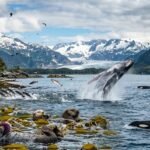
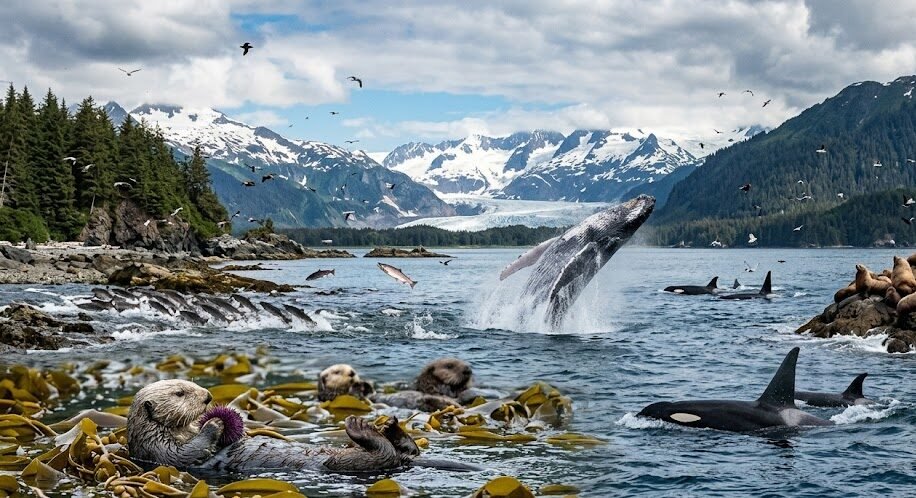
Alaska’s waters support significant populations of marine mammals that have become iconic symbols of the region. Humpback whales migrate through Alaskan waters seasonally, while orcas maintain year-round populations in various coastal areas. Sea otters, seals, and sea lions inhabit the rocky shores and nearshore waters, playing crucial roles in maintaining ecosystem balance.
Fish Populations
The salmon fisheries of Alaska are world-renowned, with five species of Pacific salmon returning to Alaskan rivers and streams annually. Additionally, halibut, cod, and numerous other fish species sustain both commercial and recreational fishing industries while maintaining ecological integrity. These fish populations form the foundation of the marine food web, supporting countless other organisms.
Seabirds and Avian Life
Millions of seabirds depend on Alaska’s coastal ecosystems for breeding, feeding, and migration. Puffins, eagles, cormorants, and countless other species utilize these waters as essential habitat. The availability of abundant fish populations makes Alaska an ideal location for seabird colonies.
Coastal Ecosystem Structure
Kelp Forests and Underwater Vegetation
Extensive kelp forests blanket much of Alaska’s nearshore environment, creating complex three-dimensional habitats. These underwater forests serve as nurseries for juvenile fish and provide shelter for sea urchins, crustaceans, and other invertebrates. The primary productivity of kelp forests supports the entire ecosystem’s energy requirements.
Coral Communities
Alaska’s deep-sea coral communities represent some of the most ancient and slow-growing organisms on the planet. These delicate structures support specialized communities of organisms found nowhere else. The cold-water corals provide critical habitat in the deep ocean and represent irreplaceable biological resources.
Tidal Zones and Intertidal Areas
The dramatic tidal ranges in Alaska create unique intertidal zones where specialized organisms thrive. These areas experience extreme environmental conditions, yet support diverse communities of starfish, anemones, mussels, and other invertebrates. The intertidal zones serve as crucial transition areas between terrestrial and marine environments.
Ecological Significance and Environmental Services
Alaska’s marine ecosystems provide invaluable services that extend far beyond the state’s borders. These waters regulate global climate patterns, sequester carbon, and produce oxygen that benefits the entire planet. The productivity of Alaska’s seas influences weather patterns and ocean currents throughout the Pacific Ocean.
Nutrient Cycling
The marine ecosystems of Alaska participate in critical biogeochemical cycles that support life globally. Upwelling events bring nutrient-rich water from the deep ocean to the surface, fueling primary productivity and supporting the entire food web. These natural processes have operated for millions of years, creating self-sustaining systems of remarkable efficiency.
Commercial and Subsistence Resources
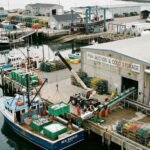
Alaska’s marine resources support significant economic activity and provide subsistence resources for indigenous communities. Commercial fishing operations generate billions in economic value while sustaining coastal communities. For Alaska Native populations, marine resources remain central to cultural identity and traditional practices.
Environmental Challenges and Conservation Efforts
Climate Change Impacts
Rising ocean temperatures present significant challenges to Alaska’s marine ecosystems. Warming waters alter species distribution patterns, affect migration timing, and threaten food sources for apex predators. Sea ice loss reduces habitat for ice-dependent species and disrupts traditional hunting patterns for marine mammals.
Ocean Acidification
Increasing atmospheric carbon dioxide dissolves into seawater, creating more acidic conditions. This process threatens shellfish larvae and other calcifying organisms that form the foundation of marine food webs. The impacts of ocean acidification extend throughout Alaska’s ecosystems, affecting species from pteropods to crabs.
Pollution and Habitat Degradation
Plastic pollution, fishing gear debris, and other contaminants threaten marine life and ecosystem health. Coastal development and resource extraction activities can degrade critical habitats. Conservation efforts focus on reducing pollution, protecting essential areas, and maintaining ecosystem connectivity.
Protected Areas and Management
Marine protected areas throughout Alaska provide refuge for sensitive species and ecosystems. Federal and state regulations limit fishing in certain areas and establish guidelines for resource extraction. These conservation measures aim to balance economic needs with environmental protection and long-term sustainability.
Indigenous Cultures and Marine Stewardship
Alaska Native peoples have maintained deep connections with marine ecosystems for thousands of years. Traditional ecological knowledge encompasses sophisticated understanding of marine species behavior, seasonal patterns, and sustainable harvesting practices. Indigenous communities continue to play vital roles in marine conservation and resource management throughout Alaska.
Future Outlook and Sustainable Practices
Protecting Alaska’s marine ecosystems requires comprehensive approaches combining scientific research, traditional knowledge, and adaptive management strategies. Sustainable fisheries practices ensure long-term viability of commercial and subsistence harvests. Investment in marine research enhances understanding of ecosystem dynamics and supports informed decision-making.
Climate change adaptation strategies must address the rapidly changing conditions that Alaska’s marine life faces. Monitoring programs track ecosystem changes and provide early warning of emerging problems. Collaborative efforts involving government agencies, indigenous communities, scientists, and industry stakeholders work toward shared conservation goals.