Understanding Harbor Infrastructure
Fishing ports represent critical economic engines for coastal communities and global food security. These specialized maritime facilities require comprehensive infrastructure designed to support commercial fishing operations, vessel maintenance, and product distribution. Effective harbor infrastructure combines physical structures, equipment, and support systems that enable safe, efficient fishing activities while protecting marine environments and ensuring regulatory compliance.
Berthing and Docking Facilities
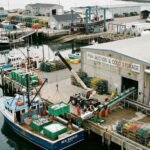
Modern fishing ports depend on well-designed berthing systems that accommodate vessels of varying sizes and types. Adequate wharf space, properly maintained dock structures, and appropriate mooring equipment are essential for safe vessel operations. Quality berthing facilities reduce turnaround times, minimize vessel damage, and enhance operational safety for fishing crews.
- Floating docks that adjust to tidal variations
- Fixed pier structures with reinforced concrete or steel construction
- Bollards and mooring posts rated for heavy-duty fishing vessels
- Protective breakwaters to shield vessels from harsh weather conditions
- Adequate depth maintenance through regular dredging operations
Fish Handling and Processing Infrastructure
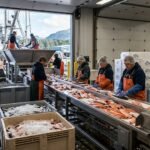
Efficient product handling is fundamental to maintaining catch quality and maximizing value. Dedicated facilities for fish landing, sorting, and processing must meet stringent health and safety standards while operating within environmental regulations.
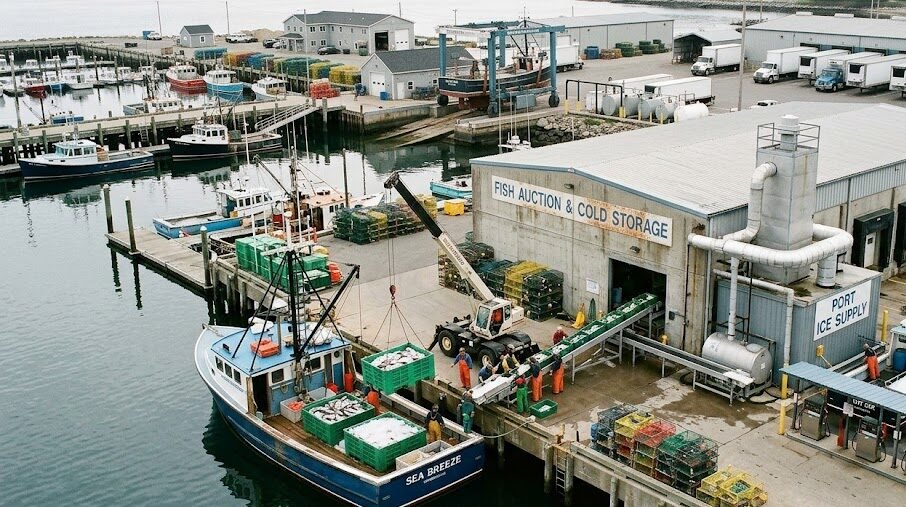
- Refrigerated storage units and ice-making facilities
- Cleaning stations with appropriate wastewater management systems
- Processing plants equipped with sanitation and hygiene infrastructure
- Auction houses or distribution centers for product sales
- Cold chain logistics to maintain product quality from catch to consumer
Fuel and Supply Services
Fishing vessels require reliable access to fuel, water, provisions, and spare parts. Ports must maintain dedicated supply infrastructure that allows vessels to quickly resupply and resume operations. These services significantly impact operational costs and fishing fleet efficiency.
Essential supply facilities include fuel terminals with storage capacity, potable water delivery systems, provisioning warehouses, and equipment repair shops. Strategic location and accessibility of these services directly influence port competitiveness and attracting fishing fleet operators.
Waste Management and Environmental Protection
Responsible harbor infrastructure incorporates comprehensive waste management systems that protect marine ecosystems while complying with international environmental standards. Proper handling of fishing waste, wastewater, and hazardous materials is legally mandated and essential for sustainability.
- Segregated waste collection systems for organic and non-organic materials
- Fish waste processing facilities that may produce fertilizer or animal feed
- Wastewater treatment plants meeting discharge standards
- Hazardous material containment and disposal protocols
- Oil and fuel spill prevention equipment and response infrastructure
Navigation and Safety Systems
Modern fishing ports require sophisticated navigation and communication infrastructure to ensure vessel safety and coordinate port operations effectively. These systems guide vessels into port, manage traffic flow, and facilitate emergency response capabilities.
- Navigational aids including buoys, markers, and electronic beacons
- Harbor master offices for traffic coordination and vessel monitoring
- Weather monitoring and early warning systems
- Communication infrastructure for vessel-to-port interactions
- Emergency response stations equipped for rescue operations
Equipment and Cargo Handling Systems
Efficient cargo movement from vessel to storage or processing facilities requires specialized equipment and infrastructure. Proper equipment investment reduces handling time, minimizes product damage, and improves overall operational efficiency.
Essential cargo handling systems include cranes suitable for fishing vessel operations, conveyor systems for ice and catch movement, palletizing equipment, and refrigerated transport vehicles. Investment in modern handling equipment substantially improves productivity and reduces labor requirements.
Administrative and Regulatory Infrastructure
Fishing ports must maintain office facilities for administrative operations, vessel registration, licensing, and regulatory compliance. These services ensure that fishing operations adhere to local and international regulations governing marine resource management and labor standards.
- Port authority administrative offices
- Fisheries inspection and certification facilities
- Vessel registry and documentation centers
- Quarantine and health inspection stations
- Legal and compliance advisory services
Infrastructure Investment and Port Maintenance
Sustained harbor infrastructure performance requires continuous investment in maintenance, upgrades, and modernization. Regular maintenance prevents costly failures, extends infrastructure lifespan, and supports safe operations. Many ports implement comprehensive maintenance schedules addressing structural integrity, equipment functionality, and system reliability.
Strategic infrastructure improvements enhance competitive positioning by attracting larger vessels, accommodating modern fishing fleet technologies, and reducing operational delays. Ports that invest proactively in infrastructure upgrades establish themselves as preferred destinations for fishing operations.
Conclusion
Comprehensive harbor infrastructure represents the backbone of successful fishing port operations. Effective facilities combining safe berthing areas, efficient product handling systems, reliable supply services, and robust environmental protection create operational environments where fishing fleets thrive. Investment in quality infrastructure supports economic growth, ensures regulatory compliance, and promotes sustainable fisheries management. Ports that maintain and continuously improve their infrastructure facilities strengthen their competitive advantages while contributing to food security and coastal economic development.