
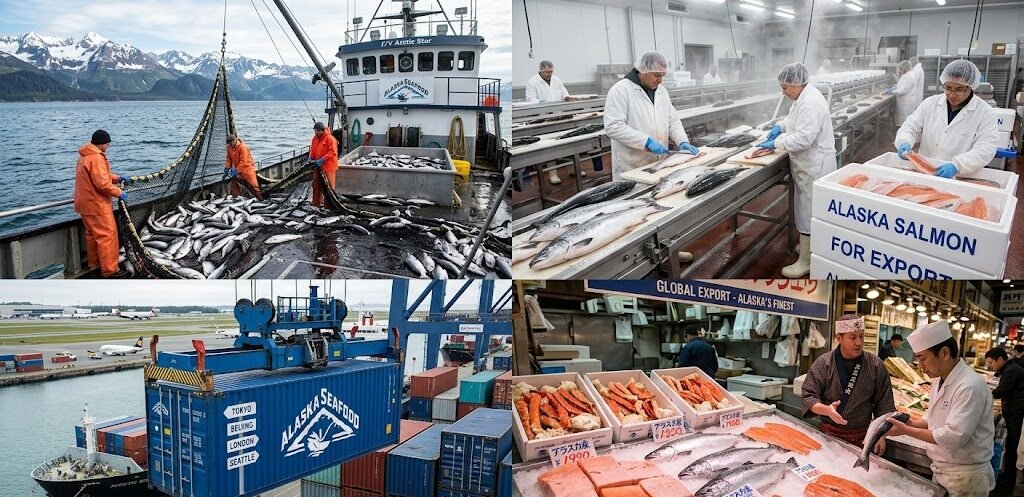
Introduction to Alaska’s Seafood Excellence
Alaska stands as one of the world’s premier seafood producers, leveraging its pristine waters and sustainable fishing practices to supply premium products to global markets. The state’s seafood industry has developed a reputation for quality, sustainability, and consistency that resonates with international buyers and consumers alike. This commitment to excellence has transformed Alaska into a vital player in the global seafood trade, exporting millions of tons of fish and shellfish annually to countries across the globe.
Historical Development of Alaska’s Seafood Industry
The seafood industry in Alaska has deep historical roots, dating back centuries to indigenous fishing practices. However, modern commercial fishing expanded significantly during the 20th century, establishing Alaska as a cornerstone of North American seafood production. The discovery of vast fish stocks combined with advanced preservation and transportation technologies enabled Alaska to develop into an international exporting powerhouse. Today, the industry represents a substantial portion of Alaska’s economy and employment base.
Primary Seafood Products Exported
Alaska’s export portfolio encompasses a diverse range of high-value seafood products that serve various markets and consumer segments worldwide. The primary species exported include:
- Salmon: Wild-caught salmon, particularly sockeye, coho, and pink varieties, represents Alaska’s most iconic export product. Known for superior taste and nutritional value, Alaskan salmon commands premium prices in international markets.
- Pollock: Alaska pollock serves as a critical ingredient in global food production, utilized in both retail and food service industries across multiple continents.
- Crab: Premium crab species, including king crab and snow crab, are highly sought after by international seafood markets, particularly in Asia and Europe.
- Halibut: This premium white fish attracts discerning consumers and high-end restaurants worldwide, commanding significant market value.
- Other Species: Alaska also exports cod, herring, sablefish, and various shellfish species to diversified global markets.
Global Export Markets and Destinations
Alaskan seafood reaches consumers and food producers across the globe, with major export destinations including Japan, South Korea, China, Canada, Europe, and the United States. These diverse markets recognize the quality and sustainability standards that Alaskan seafood producers maintain. Japan and South Korea represent particularly significant markets for premium species like salmon and crab, while European nations value the nutritional and quality attributes of Alaskan fish products. The breadth of these export markets provides economic stability and growth opportunities for Alaska’s fishing industry.
Sustainability and Quality Standards
Alaska’s seafood industry maintains stringent sustainability practices that distinguish its products in global markets. The state implements rigorous fishery management protocols, including catch limits, seasonal closures, and habitat protection measures. These practices ensure that fish stocks remain healthy and productive for future generations while maintaining current export volumes. Quality assurance programs monitor safety, freshness, and processing standards throughout the supply chain, earning international certifications and consumer trust. This commitment to sustainability and quality has become a significant competitive advantage in environmentally conscious global markets.
Export Infrastructure and Processing
Alaska’s seafood export success relies on sophisticated infrastructure, including modern processing facilities, cold chain logistics, and port facilities strategically located throughout the state. Advanced processing technology enables the production of various value-added products, from frozen fillets to specialty prepared items. Transportation networks facilitate rapid movement of products to international markets while maintaining optimal freshness and quality. This comprehensive infrastructure supports the efficient transformation of raw seafood into consumer-ready products destined for global distribution.
Economic Impact and Employment
The seafood export industry significantly contributes to Alaska’s economy, generating substantial revenue and supporting thousands of jobs across harvesting, processing, distribution, and support services sectors. Commercial fishing, both at the harvesting and processing levels, provides employment opportunities across the state’s diverse communities. The industry’s economic influence extends beyond direct employment to supporting transportation, equipment manufacturing, and regional service providers. For many Alaskan communities, particularly in coastal regions, the seafood industry remains the economic foundation.
Challenges and Future Outlook
While Alaska’s seafood industry enjoys substantial advantages, it faces ongoing challenges including changing ocean conditions, international competition, regulatory complexity, and evolving consumer preferences. Climate change and shifting fish populations present long-term concerns that require adaptive management strategies. However, industry investments in technology, sustainability innovation, and market development position Alaska’s seafood sector for continued success. Growing global demand for protein and increasing recognition of seafood’s health benefits suggest positive prospects for Alaska’s export industry in coming years.
Conclusion
Alaska’s seafood export journey reflects decades of development, investment, and commitment to quality and sustainability. From its abundant natural resources to its modern processing infrastructure, Alaska has established itself as an indispensable global seafood supplier. The industry’s reputation for excellence, combined with rigorous sustainability practices, ensures that Alaskan seafood will continue satisfying international demand while supporting the state’s economy and communities. As global markets evolve, Alaska’s seafood industry remains well-positioned to adapt and thrive, maintaining its role as a world-class provider of premium seafood products.