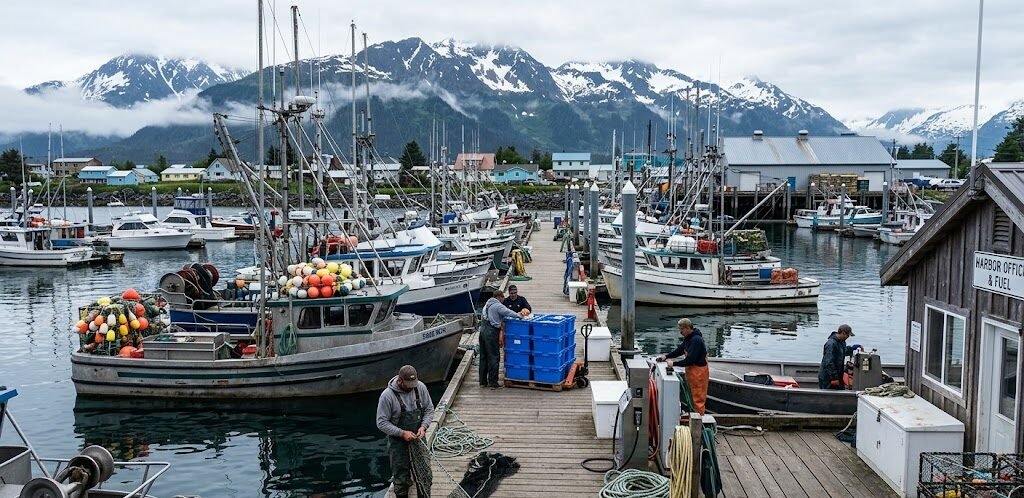
Understanding Alaska’s Small Boat Harbors
Alaska’s small boat harbors represent a critical infrastructure component that extends far beyond simple maritime facilities. These coastal hubs serve as vital economic engines for communities throughout the state, facilitating commerce, employment, and cultural traditions that have defined Alaskan life for generations. From Southeast Alaska’s Inside Passage to the remote settlements of Western Alaska, small boat harbors function as lifelines connecting isolated communities to broader economic opportunities.
The Economic Significance of Small Boat Harbors
The economic impact of Alaska’s small boat harbors cannot be overstated. These facilities generate substantial revenue through multiple channels, including commercial fishing operations, tourism activities, and recreational boating services. The fishing industry alone relies heavily on these harbors, with thousands of vessels using them as operational bases for harvesting Alaska’s abundant marine resources.
Commercial Fishing Operations
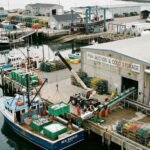
Alaska’s fishing industry represents one of the state’s most important economic sectors, and small boat harbors provide essential infrastructure for this activity. Commercial fishermen depend on these facilities to dock their vessels, offload catches, and access repair services. The harbors enable the distribution of Alaskan seafood products to markets worldwide, supporting both local employment and state revenue through taxes and licensing fees.
Tourism and Recreation
Small boat harbors also serve as gateways for tourism activities, including charter fishing trips, wildlife viewing excursions, and marine sightseeing tours. These recreational opportunities attract visitors from around the world, injecting significant capital into local economies. Tourism-related businesses operating from harbor facilities create seasonal and year-round employment opportunities for Alaskan residents.
Community Development and Employment
Beyond direct maritime activities, small boat harbors catalyze broader economic development in their surrounding communities. These facilities support numerous ancillary businesses, including seafood processing plants, marine supply stores, fuel distributors, and hospitality services. The employment generated by harbor-dependent industries provides essential income for coastal communities where alternative employment opportunities may be limited.
Many Alaskan communities, particularly in rural and remote regions, depend almost entirely on fishing-related activities for their economic survival. Small boat harbors enable residents to maintain traditional livelihoods while participating in modern commercial markets, thereby preserving cultural heritage while ensuring economic viability.
Infrastructure and Maintenance Challenges
Maintaining Alaska’s small boat harbors presents significant infrastructure challenges. The state’s harsh marine environment, characterized by extreme weather conditions, substantial tidal variations, and challenging seismic activity, demands continuous investment in harbor maintenance and upgrades. Weathering, corrosion, and natural forces require ongoing repairs to docks, breakwaters, and support facilities.
Funding for harbor maintenance often depends on state and federal appropriations, which must be carefully managed to prioritize projects based on community needs and economic impact. Many harbors require modern improvements to accommodate changing vessel sizes, fishing technologies, and evolving safety standards.
Connectivity and Supply Chain Benefits
Alaska’s geography presents unique transportation challenges, with many communities accessible only by water or air. Small boat harbors serve as critical nodes in Alaska’s maritime supply chain, enabling the transportation of goods and services to communities that would otherwise face prohibitively expensive shipping costs. This connectivity supports both commercial activities and the availability of essential goods for residents.
For communities in Southeast Alaska’s Inside Passage and other coastal regions, harbors facilitate the movement of supplies, equipment, and personnel necessary for survival and prosperity. Without functional harbor facilities, many Alaskan communities would face economic stagnation and depopulation.
Environmental and Sustainability Considerations
Modern harbor management in Alaska must balance economic benefits with environmental stewardship. Small boat harbors provide opportunities to implement sustainable fishing practices, marine conservation measures, and environmental monitoring programs. Responsible harbor management can support both economic prosperity and the long-term health of Alaska’s marine ecosystems.
Many harbors serve as bases for scientific research and environmental monitoring activities, contributing to better understanding and management of Alaska’s marine resources. This integration of economic activity with environmental consciousness reflects modern approaches to sustainable development.
The Future of Alaska’s Small Boat Harbors
As Alaska’s economy evolves and climate change impacts marine environments, small boat harbors must adapt to new challenges and opportunities. Investment in modern facilities, improved technology, and sustainable practices will be essential for maintaining these economic lifelines for future generations.
The importance of Alaska’s small boat harbors to the state’s economic future cannot be diminished. These facilities represent not merely maritime infrastructure, but rather the foundation upon which entire communities build their prosperity. Continued support for harbor improvement, maintenance, and development remains essential for preserving Alaska’s maritime heritage and ensuring long-term economic sustainability.
Conclusion
Alaska’s small boat harbors exemplify how strategic infrastructure investment creates cascading economic benefits throughout entire regions. From supporting commercial fishing operations to enabling tourism and facilitating community supply chains, these facilities serve multifaceted roles in Alaska’s economy. As the state faces evolving challenges and opportunities, sustained commitment to harbor development and maintenance will remain crucial for maintaining economic vitality and cultural continuity in Alaska’s coastal communities.